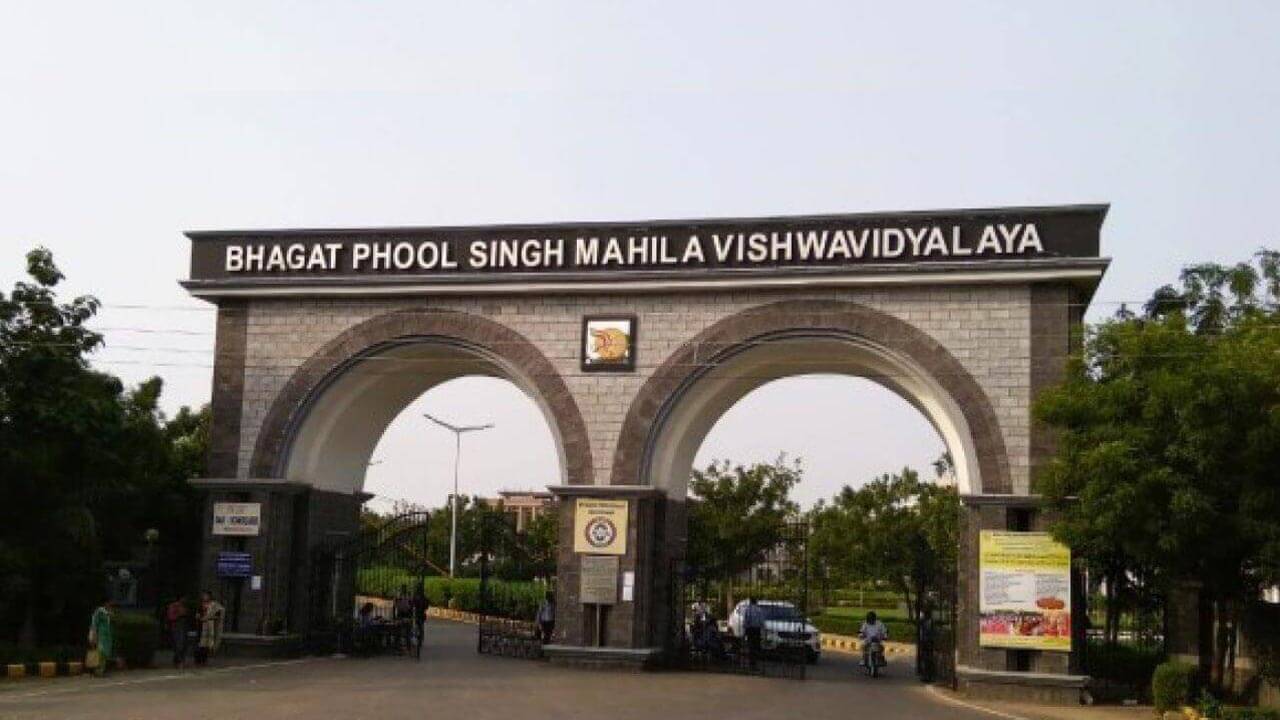
Introduction about Ph.D. From Dr. B.R.Ambedkar Open University
Dr. B.R.Ambedkar Open University (BRAOU), located in Telangana, stands out for its commitment to distance and open learning, providing flexible academic opportunities to a diverse range of students. Named after Dr. B.R. Ambedkar, whose vision of inclusive education resonated with the ideas of social transformation, this university has progressively evolved into a hub for cutting-edge research and lifelong learning. Its Ph.D. programs are designed to empower scholars in various disciplines, enabling them to engage in high-level research that addresses contemporary challenges.
A notable feature of the Ph.D. curriculum at BRAOU is its emphasis on distance learning methodology, which allows students to balance research pursuits with personal and professional commitments. The university leverages modern digital tools, e-learning resources, and workshops to create a holistic and interactive academic environment. While the coursework may be pursued remotely, the institution maintains a strict adherence to quality research standards and rigorous evaluation procedures. Through the open learning format, Ph.D. candidates can collaborate with peers, exchange scholarly ideas with faculty mentors, and attend periodic campus or regional study centers for seminars and discussions.
The university’s mission aligns with Dr. B.R. Ambedkar’s vision of breaking barriers to higher education, thus granting access to students from different socio-economic backgrounds. Candidates who enroll in the Ph.D. program here not only delve into advanced research but also benefit from the inclusive values that guide the institution. Whether aspiring to an academic career or aiming to bring innovation to one’s professional domain, a Ph.D. from Dr. B.R.Ambedkar Open University offers a unique blend of intellectual growth and flexible learning, rooted in the principles of equality and empowerment.
Fee Structure for Ph.D. in Dr. B.R.Ambedkar Open University
| Tuition Fee Per Year | Registration Fee | Total Fee |
|---|---|---|
| INR 30,000 | INR 5,000 | INR 35,000 |
Please note that fee details may vary over time, and prospective scholars are advised to refer to the official university notifications or contact the admissions office for updated fee structures and payment schedules.
Admission Process For Ph.D. in Dr. B.R.Ambedkar Open University
The university follows a systematic and transparent admission process aimed at identifying motivated scholars who are prepared to undertake advanced research. Below are the general steps:
- Fill out the Ph.D. application form available on the official BRAOU website or through authorized study centers.
- Submit relevant academic documents—bachelor’s, master’s transcripts, and any additional certificates—as required.
- Appear for an entrance exam if mandated for your chosen discipline. Some departments may accept national-level exam scores.
- Shortlisted candidates are invited for a personal interview or research proposal presentation.
- The final merit list is announced based on academic performance, interview, and overall research potential.
- Successful candidates are issued an admission offer, post which the required fees must be paid and enrollment formalities completed.
Admission timelines and specific requirements may differ among departments, so regular updates from the official website are crucial.
Ph.D. Subjects in Dr. B.R.Ambedkar Open University
| Discipline | Available Research Areas |
|---|---|
| Humanities | English Literature, Hindi, Telugu, History, Journalism & Mass Communication |
| Social Sciences | Sociology, Public Administration, Political Science, Economics |
| Management | Business Administration, Marketing, Human Resource Management, Finance |
| Science & Technology | Environmental Science, Mathematics, Computer Science (as per available program offerings) |
| Education | Curriculum Studies, Educational Technology, Special Education |
The university regularly evaluates and updates its subject offerings to meet the evolving trends and needs of the academic community.
Document Required For Ph.D. in Dr. B.R.Ambedkar Open University
Submitting the correct documentation is critical to ensure a hassle-free admission process. Although specific requirements might vary by department, the following list gives a broad idea of documents typically requested:
- Completed Ph.D. application form (online or offline).
- Attested copies of academic transcripts from bachelor’s and master’s programs.
- Proof of birth date (passport, Aadhaar card, or similar official ID).
- Research proposal detailing your research objectives, methodology, and literature review.
- Entrance exam scorecards (if applicable) or any relevant national-level test qualification.
- Letters of recommendation from academic or professional referees.
- Work experience certificates (if your research aligns with professional or industry practices).
- No Objection Certificate (NOC) from your current employer, if you are employed.
- Passport-sized photographs as per university guidelines.
Dr. B.R.Ambedkar Open University Ph.D. Syllabus
| Year / Semester | Core Areas & Key Components |
|---|---|
| Year 1 | Research Foundations: Principles of Research Methodology, Ethics in Research, Introduction to Open & Distance Learning Workshops & Seminars: Proposal Writing, Academic Writing Skills, Literature Review Techniques Study Center Activities: Mentor Meetups, Online Discussions, Basic Data Analysis |
| Year 2 | Advanced Modules: Subject-Specific Coursework, Statistical Tools, Qualitative & Quantitative Approaches Practical Work: Field Research (if applicable), Data Collection, Intermediate Analysis Peer Engagement: Presentation of Interim Findings, Collaborative Projects, Online/Offline Workshops |
| Year 3 | Thesis Development: Comprehensive Data Analysis, Thesis Drafting, Incorporation of Feedback Publication & Review: Conference Presentations, Journal Submissions, Peer Reviews Final Defense: Thesis Submission, Viva Voce, and Evaluation by External Examiners |
This structured framework may vary depending on departmental guidelines, as well as emerging academic and research trends.
Dr. B.R.Ambedkar Open University Research Methodology
- Blended learning approach, integrating online modules with occasional campus or study center visits.
- Combining quantitative, qualitative, and mixed-methods techniques for robust data analysis.
- Emphasis on ethical research practices, including plagiarism checks and responsible publication norms.
- Applied research opportunities through community projects, especially for social sciences and education disciplines.
- Adoption of statistical tools like SPSS, R, or Excel for empirical data handling.
- Workshops focusing on critical analysis, literature surveys, and scholarly writing skills.
- Peer review sessions to refine research proposals, chapters, and final thesis drafts.
Dr. B.R.Ambedkar Open University Highlights
| Highlight | Information |
|---|---|
| Institution Type | State Open University Emphasizing Distance & Open Learning |
| Establishment | Founded to Promote Accessible Education in Telangana and Beyond |
| Academic Framework | Flexible Curriculum Supporting Working Professionals & Remote Learners |
| Faculty Expertise | Renowned Academicians & Researchers Specializing in Multiple Disciplines |
| Study Centers | Statewide Network Facilitating Periodic Workshops & Student-Faculty Interaction |
| Infrastructure | Digital Libraries, E-Resources, LMS Portals for Online Learning |
| Research Focus | Innovation in Distance Education & Societal Relevance Across Disciplines |
| Evaluation System | Continuous Assessments, Online & Offline Exams, Viva Voce for Ph.D. Candidates |
How To Apply For Ph.D. in Dr. B.R.Ambedkar Open University
- Check the official BRAOU website for Ph.D. announcements and eligibility criteria.
- Download the application form or fill it online, if available.
- Prepare your research proposal as required by the specific department.
- Pay the application fee through the prescribed mode (online or demand draft).
- Submit academic certificates, transcripts, and any additional documents requested.
- Keep track of deadlines for entrance exams or interviews relevant to your chosen discipline.
- Attend the interview or research proposal presentation if shortlisted.
- Review the final merit list and confirm admission by paying the mandatory fees.
- Complete all required enrollment formalities before commencing coursework and research activities.
- Regularly consult the study center or online portal for updates on coursework, seminars, and mentoring schedules.
Courses After Ph.D. in Dr. B.R.Ambedkar Open University
- Post-Doctoral Research Fellowships in Specialized Fields
- Professional Certification Programs for Industry-Focused Skills
- Advanced Diplomas in Leadership, Policy Analysis, or Education Technology
- Short-Term Research or Teaching Fellowships at National or International Institutions
- Entrepreneurial and Consultancy Training for Academic-Industry Collaborations
Dr. B.R.Ambedkar Open University Scholarship
Dr. B.R.Ambedkar Open University strives to make quality education and research accessible to a wide spectrum of learners. In line with this mission, the university and its collaborating organizations provide various scholarships and financial aid schemes. These scholarships primarily cater to students from economically disadvantaged backgrounds, socially marginalized communities, and those demonstrating exceptional academic or research potential. By easing financial constraints, these aids encourage scholars to dedicate themselves fully to their studies and research, thereby fostering a supportive and inclusive academic environment. In certain cases, specialized grants are also available for applicants pursuing research topics of high societal impact, ensuring that transformative ideas can be explored and advanced, regardless of economic limitations. Students keen on these opportunities should closely monitor university bulletins and announcements, as well as inquire about state-level or national-level scholarships that may supplement or complement institutional aid.
- Merit-Based Scholarships for Outstanding Performance
- Government-Funded Schemes Targeting Reserved Categories
- Project-Specific Grants from Research Bodies or NGOs
- Tuition Fee Waivers and Stipends for Exceptional Research Proposals
Dr. B.R.Ambedkar Open University FAQ's Regarding Ph.D.
- What is the basic eligibility to enroll for a Ph.D. program at BRAOU?
Generally, a Master’s degree in a relevant field with a minimum qualifying percentage or CGPA is required, but specific criteria can vary by department.
- Does the university conduct its own entrance exam for Ph.D. admissions?
Yes, some departments may require a university-specific exam. Others might accept scores from recognized national-level tests, depending on the discipline.
- How flexible is the distance learning format for Ph.D. candidates?
BRAOU’s distance mode allows working professionals and remote learners to manage research and coursework with minimal campus visits, supplemented by online resources and periodic seminars.
- Can international students apply for the Ph.D. program?
Yes, international candidates who meet the eligibility criteria and secure relevant student visas can apply, subject to any additional requirements stipulated by the university.
- Is there a mandatory publication requirement before thesis submission?
While publication requirements can vary by department, most Ph.D. candidates are encouraged to publish at least one research paper in a reputed journal.
- Are there any part-time Ph.D. options available?
BRAOU’s distance education framework inherently supports flexible study schedules, but official part-time research formats may be subject to departmental approval.
- What types of scholarships are available for Ph.D. scholars?
The university offers various scholarships, including merit-based, need-based, and government-sponsored initiatives. Detailed information is provided on the official website.
- How often do I need to visit the campus or study center?
Campus visits typically depend on departmental requirements for workshops, seminars, or consultations, though much of the coursework and mentorship can be managed online.
- Can I change my research topic midway through the program?
Minor topic changes may be allowed upon consultation with your research supervisor and departmental committee, but major shifts require formal approval.
- What career paths are open to me after completing a Ph.D. from BRAOU?
Graduates can pursue academic positions, research roles in government or private sectors, policy advisory roles, and entrepreneurial ventures leveraging their specialized expertise.