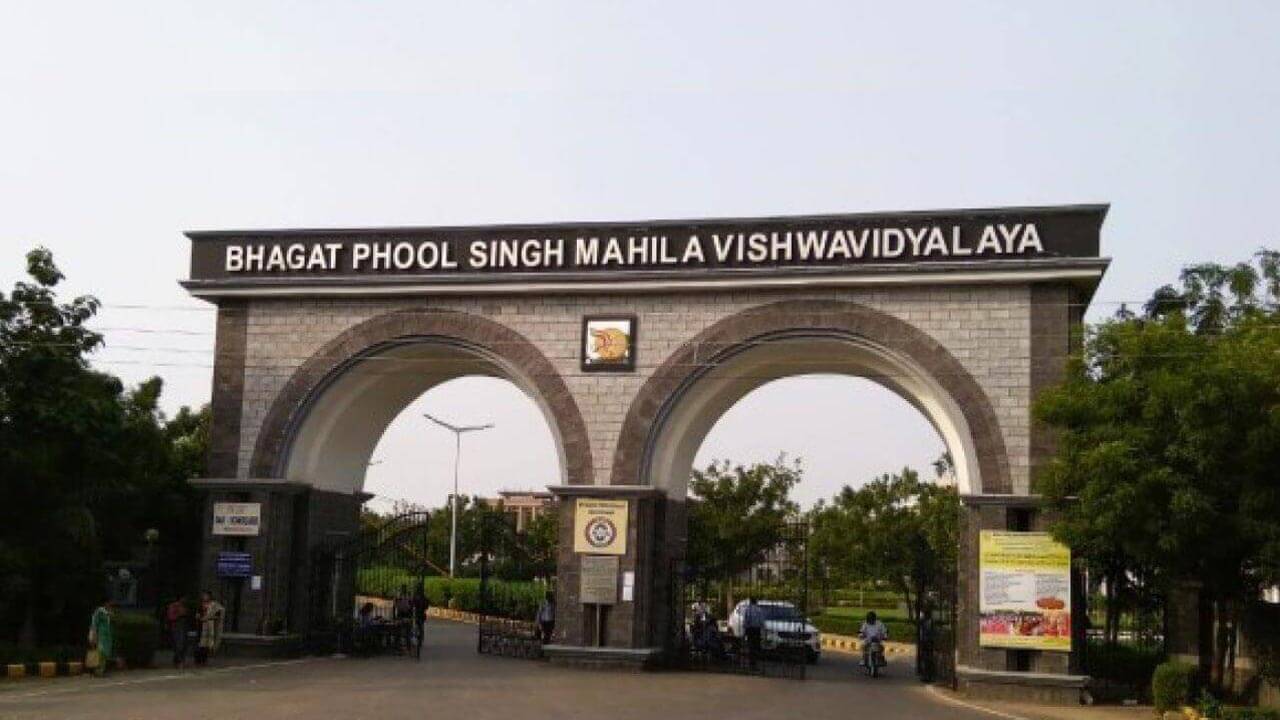
Introduction about Ph.D. From Dr. B.R. Ambedkar University
Dr. B.R. Ambedkar University, located in the heart of Delhi, has carved a niche for itself by embracing a multidimensional approach to higher education. The university is committed to inclusive learning and social transformation, reflecting the ethos of Dr. B.R. Ambedkar’s teachings on equity and justice. Through its diverse Ph.D. programs, the institution empowers research scholars to explore uncharted territories in various academic disciplines. By providing a supportive environment that fosters both theoretical and practical insights, the university aspires to shape scholars into future thought leaders, educators, and innovators.
One of the standout features of pursuing a Ph.D. at this university is the interdisciplinary framework that underpins its research ethos. Whether your interest lies in social sciences, humanities, arts, or emerging interdisciplinary fields, Dr. B.R. Ambedkar University offers a fertile ground for research that reflects contemporary global challenges. Its campus infrastructure, which includes modern libraries, well-equipped labs, and digital resources, acts as a catalyst for rigorous academic inquiry. Additionally, specialized seminars, workshops, and collaborative research projects cultivate a dynamic learning atmosphere, ensuring that doctoral candidates remain at the forefront of scholarly developments.
Moreover, faculty members bring extensive academic and industry experience, offering personalized mentoring to refine your research focus and methodology. With numerous national and international academic tie-ups, the university encourages scholars to engage in cross-cultural research dialogues. This commitment to broader academic collaboration not only enriches the doctoral experience but also amplifies the scope and impact of your research. Ultimately, a Ph.D. from Dr. B.R. Ambedkar University is more than a degree—it is a transformative journey that equips scholars to contribute significantly to academia, public policy, and social development in both local and global contexts.
Fee Structure for Ph.D. in Dr. B.R. Ambedkar University
| Tuition Fee Per Year | Registration Fee | Total Fee |
|---|---|---|
| INR 30,000 | INR 5,000 | INR 35,000 |
Please note that the above fee structure is indicative and may be revised by the university authorities. It is recommended to check the official university website or contact the admissions office for the latest updates.
Admission Process For Ph.D. in Dr. B.R. Ambedkar University
Dr. B.R. Ambedkar University has established a systematic admission process to ensure that the most dedicated and capable researchers join its Ph.D. programs. The process evaluates both academic aptitude and research potential, ensuring alignment with the institution’s overarching goals and values.
- Fill out the online or offline application form available on the official university website.
- Submit academic transcripts, ensuring they meet the minimum eligibility criteria for the Ph.D. program.
- Prepare a concise yet comprehensive research proposal that outlines your intended study area and methodology.
- Appear for an entrance exam, if required for your chosen discipline.
- Attend an interview or presentation round conducted by the university’s research committee.
- Wait for the final selection list, which is typically based on performance in entrance exams, interviews, and academic records.
- Complete the enrollment formalities by paying the requisite fees and verifying your documents.
Prospective candidates are advised to keep track of admission deadlines and follow any additional program-specific requirements mentioned in official notifications.
Ph.D. Subjects in Dr. B.R. Ambedkar University
| Discipline | Research Areas |
|---|---|
| Social Sciences | Sociology, Political Science, Economics, Public Policy |
| Humanities | English Literature, History, Philosophy, Cultural Studies |
| Psychology & Education | Developmental Psychology, Counseling, Educational Research, Curriculum Studies |
| Law & Governance | Legal Theory, Constitutional Law, Public Administration |
| Management & Entrepreneurship | Business Strategy, Organizational Behavior, Social Entrepreneurship |
| Interdisciplinary Studies | Urban Studies, Gender Studies, Environmental Studies |
The university regularly updates its research areas to align with evolving academic and societal needs.
Document Required For Ph.D. in Dr. B.R. Ambedkar University
When applying for a Ph.D., ensuring that you have all required documents in order is crucial for a seamless admissions process. Below is a general overview of what you may need to submit. Always refer to the official guidelines for any program-specific documentation.
- Completed Ph.D. application form (online/offline as specified).
- Copies of academic transcripts (Bachelor’s, Master’s, or equivalent qualifications).
- Proof of date of birth (Birth certificate, Aadhaar card, Passport, etc.).
- A well-structured research proposal detailing objectives, methodology, and potential impact.
- No Objection Certificate (NOC) if currently employed.
- Letters of recommendation from academic or professional referees.
- Any published research papers or conference presentations (if available).
- Passport-sized photographs adhering to the specified format.
Dr. B.R. Ambedkar University Ph.D. Syllabus
| Year / Semester | Course Contents |
|---|---|
| Year 1 | Core Modules: Research Methodology, Literature Review, Ethics in Research Workshops: Academic Writing, Data Analysis Tools, Citation Techniques Seminars: Discussion on Evolving Themes in Chosen Discipline |
| Year 2 | Elective Subjects: Discipline-Specific Advanced Topics, Field Studies Research Activities: Data Collection, Pilot Studies, Participation in Conferences Peer Engagement: Presentation of Initial Findings, Peer Reviews |
| Year 3 | Thesis Phase: Comprehensive Analysis, Thesis Drafting, Finalization Defense Preparation: Viva Voce Readiness, Publication of Research Papers Concluding Seminars: Presentation of Key Research Outcomes |
Exact course structures may vary depending on the department, emerging research trends, and faculty expertise.
Dr. B.R. Ambedkar University Research Methodology
- Integration of both quantitative and qualitative approaches to ensure robust data gathering and analysis.
- Hands-on training with statistical software and data visualization tools for effective interpretation.
- Workshops focusing on ethical considerations, plagiarism checks, and maintaining academic integrity.
- Case-based learning to apply theoretical frameworks in real-world scenarios.
- Collaborative projects that encourage cross-disciplinary integration and peer feedback.
- Regular mentoring sessions for refining research questions and methodology designs.
- Encouragement to publish findings in reputable journals, bolstering the scope and impact of research.
Dr. B.R. Ambedkar University Highlights
| Highlight | Information |
|---|---|
| Academic Legacy | Rooted in Dr. B.R. Ambedkar’s vision of inclusive and transformative education. |
| Interdisciplinary Focus | Offers a broad range of subjects spanning social sciences, humanities, and emerging fields. |
| Faculty Expertise | Renowned academicians, industry experts, and researchers guiding doctoral candidates. |
| Infrastructure | Modern libraries, digital archives, well-equipped research centers, and state-of-the-art labs. |
| Collaborations | Active tie-ups with national and international universities, fostering global research exchanges. |
| Community Engagement | Focus on socially relevant research projects promoting inclusivity and welfare programs. |
| Student Support | Academic counseling, student-run clubs, and various skill development initiatives. |
| Events & Seminars | Frequent conferences, guest lectures, and workshops to keep scholars informed of latest trends. |
How To Apply For Ph.D. in Dr. B.R. Ambedkar University
- Visit the official university website and download the Ph.D. prospectus or admission guidelines.
- Ensure you meet the eligibility criteria for your chosen discipline (minimum GPA or percentage, entrance exam requirements, etc.).
- Fill out the online application form or obtain a physical copy from the university’s admissions office.
- Attach required documents, including academic transcripts, research proposal, and identification proofs.
- Pay the application fee through the recommended online or offline payment modes.
- Submit the completed application form before the specified deadline.
- Prepare for any entrance test, and schedule your interview or presentation as per university directives.
- Stay updated on the admission list and announcements by regularly checking the university website or your email.
- Upon selection, confirm your seat by paying the enrollment fee and completing document verification.
- Register for relevant courses and begin your doctoral journey under assigned faculty mentorship.
Courses After Ph.D. in Dr. B.R. Ambedkar University
- Post-Doctoral Fellowships for further academic specialization.
- Advanced Diplomas or Certificates in niche areas like policy research or data science.
- Professional courses in leadership, management, or entrepreneurship.
- Certification programs in emerging technologies or interdisciplinary frameworks.
- Teaching qualification enhancements such as pedagogy-specific workshops or sessions.
Dr. B.R. Ambedkar University Scholarship
Dr. B.R. Ambedkar University offers a range of scholarship opportunities to ensure that financial constraints do not deter deserving candidates from pursuing their academic goals. These scholarships are crafted to recognize merit, promote research excellence, and support learners from diverse socio-economic backgrounds. Special provisions may be available for students belonging to reserved categories, differently-abled students, or those engaged in socially impactful research. Many scholarships also include stipends that help cover tuition and essential living expenses, enabling doctoral scholars to concentrate wholeheartedly on their research. Additionally, the university has collaborated with various governmental and non-governmental agencies to broaden the scope of financial assistance. This collective endeavor underscores the institution’s dedication to inclusive education and paves the way for groundbreaking research that can contribute positively to society.
- Merit-based scholarships for high-performing students.
- Need-based financial aid for economically disadvantaged candidates.
- Government or external funding for specialized research areas.
- Assistantship programs where scholars assist in teaching or administrative tasks.
Dr. B.R. Ambedkar University FAQ's Regarding Ph.D.
- What is the minimum eligibility for Ph.D. admissions?
Applicants generally need a relevant Master’s degree with a minimum required percentage or CGPA, as specified by the university.
- Do I need to clear an entrance test?
Depending on the discipline, you may be required to take an entrance examination, followed by an interview or presentation of your research proposal.
- Can international students apply for the Ph.D. program?
Yes, international students who meet the eligibility criteria and have the requisite visas can apply, subject to additional documentation requirements.
- How long does the Ph.D. course typically last?
The duration usually ranges from three to five years, dependent on research complexity, coursework completion, and timely thesis submission.
- Are part-time Ph.D. options available?
Some departments do offer part-time doctoral programs for working professionals, subject to university regulations and approval from the research committee.
- Is it mandatory to publish research papers during the Ph.D.?
Most departments encourage or require candidates to publish at least one research paper in a recognized journal before thesis submission.
- What types of scholarships are offered?
A variety of scholarships are available, including merit-based, need-based, and project-specific grants. External fellowships are also applicable, subject to eligibility.
- Can I change my research topic midway?
Minor adjustments are possible, but significant changes may require approval from your supervisor and the university’s doctoral committee.
- What career paths can I pursue after a Ph.D. from Dr. B.R. Ambedkar University?
Graduates often move into academic roles, policy research, think tanks, international organizations, or entrepreneurial ventures, depending on their expertise and interests.
- How important is my research proposal in the admission process?
The research proposal is critical as it outlines your study’s scope, relevance, and methodology. A well-crafted proposal significantly enhances your admission prospects.