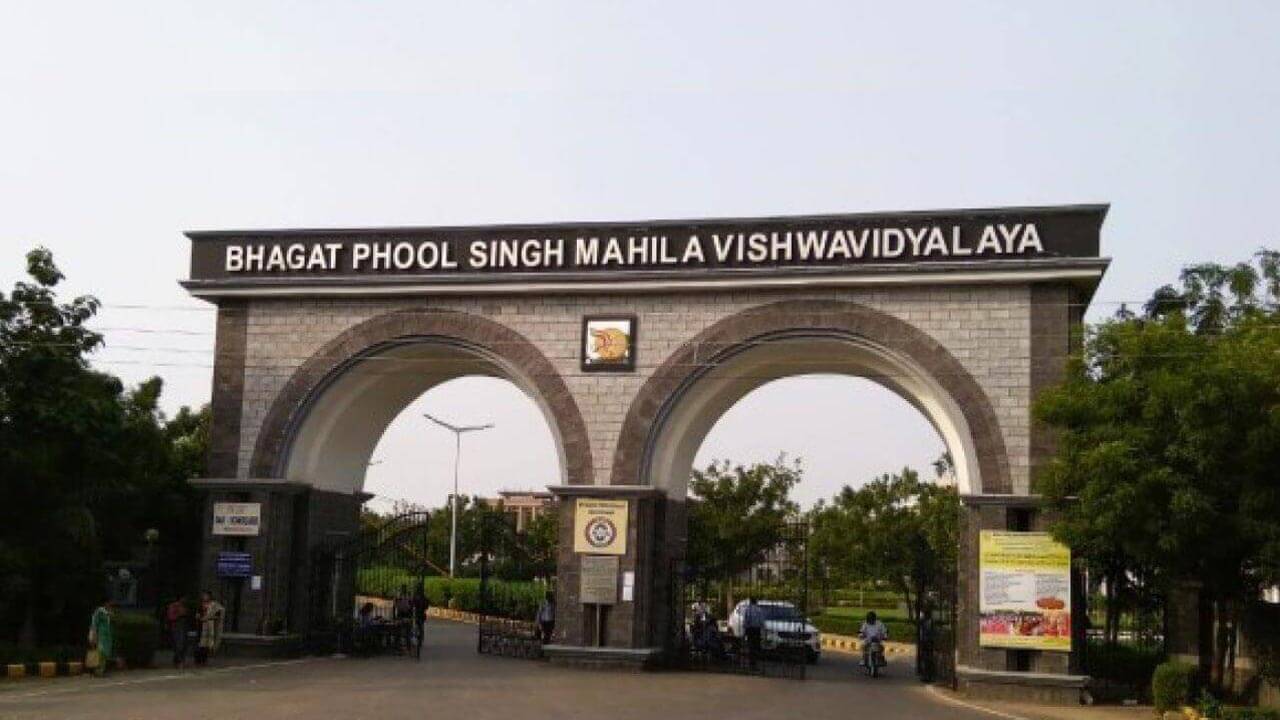
Introduction about Ph.D. From Gujarat University of Transplantation Sciences
Gujarat University of Transplantation Sciences is a pioneering institution dedicated to advancing the field of transplantation through innovative research and academic excellence. The Ph.D. program offered here is meticulously designed for scholars who aspire to explore advanced concepts in transplantation, immunology, organ preservation, and regenerative medicine. This program combines rigorous theoretical training with practical, hands-on research, enabling candidates to contribute original solutions to complex clinical challenges. With access to state-of-the-art laboratories, specialized equipment, and extensive digital libraries, students are equipped to push the boundaries of traditional medical research. Under the guidance of renowned faculty and industry experts, candidates benefit from a collaborative environment that fosters interdisciplinary research, encouraging innovative approaches that integrate clinical practice with modern scientific techniques.
The program emphasizes critical thinking, research ethics, and scholarly integrity, making it ideal for those committed to making significant contributions in transplantation sciences. With opportunities for international collaboration, comprehensive coursework, and personalized mentorship, this Ph.D. program is a launchpad for future leaders in both academia and clinical research. By joining Gujarat University of Transplantation Sciences, candidates embark on a challenging yet rewarding journey that paves the way for breakthroughs in medical science and improved patient care.
Fee Structure for Ph.D. in Gujarat University of Transplantation Sciences
| Fee Component | Amount (in INR) |
|---|---|
| Tuition Fee Per Year | ₹80,000 |
| Registration Fee | ₹10,000 |
| Total Fee (Approx.) | ₹90,000 |
Admission Process For Ph.D. in Gujarat University of Transplantation Sciences
The admission process is designed to select candidates with a strong academic foundation and a clear vision for research in transplantation sciences. The process is both rigorous and transparent, ensuring that each applicant is assessed fairly based on merit and potential.
- Review the eligibility criteria provided on the official university website.
- Complete and submit the online application form with accurate personal and academic details.
- Upload required documents, including academic transcripts, degree certificates, and a comprehensive research proposal.
- Appear for an entrance examination to assess subject-specific knowledge and research aptitude.
- Attend a personal interview with a panel of experts in transplantation sciences.
- Final selection is based on academic performance, research proposal quality, exam scores, and interview feedback.
It is essential for applicants to prepare diligently and ensure all documents are authentic and submitted within the stipulated deadlines.
Ph.D. Subjects in Gujarat University of Transplantation Sciences
| Discipline | Research Areas |
|---|---|
| Transplant Immunology | Immune Tolerance, Rejection Mechanisms, Immunomodulatory Therapies |
| Organ Transplantation | Organ Preservation, Surgical Techniques, Post-Transplant Management |
| Regenerative Medicine | Stem Cell Therapy, Tissue Engineering, Bioartificial Organs |
| Clinical Transplantation | Patient Management, Clinical Trials, Long-term Outcome Studies |
| Transplantation Ethics | Legal Issues, Ethical Dilemmas, Policy Formulation |
These subjects allow candidates to focus on specific research areas while also encouraging interdisciplinary studies that integrate clinical practice with modern research techniques.
Document Required For Ph.D. in Gujarat University of Transplantation Sciences
A complete set of documents is required to verify your academic credentials and research potential. These documents play a vital role in the evaluation process.
- Completed online application form.
- Official academic transcripts and degree certificates.
- A detailed research proposal outlining study objectives, methodology, and expected outcomes.
- A comprehensive Curriculum Vitae (CV) highlighting academic achievements and relevant experience.
- Two to three letters of recommendation from academic or professional referees.
- Proof of identity (e.g., Aadhaar card, passport, or voter ID).
- Copies of any published research papers or conference presentations, if available.
- A Statement of Purpose (SOP) that explains your research interests and long-term career goals.
Ensure all documents are authentic, current, and submitted within the designated deadline to facilitate a smooth application process.
Gujarat University of Transplantation Sciences Ph.D. Syllabus
| Phase | Core Topics | Electives/Research Focus |
|---|---|---|
| Year 1 | Research Methodology, Literature Review, Theoretical Foundations in Transplantation | Introduction to specialized electives and initial research proposal formulation |
| Year 2 | Advanced Research Techniques, Data Analysis, Clinical Studies in Transplantation | Focused electives and refinement of research methodologies |
| Year 3 & Beyond | Thesis Writing, Critical Analysis, Academic Publishing | Final research execution, dissertation development, and defense |
The syllabus is structured to build a solid foundation in the early years and gradually transition into advanced research, culminating in a doctoral thesis that contributes new insights to transplantation sciences.
Gujarat University of Transplantation Sciences Research Methodology
- Conduct an exhaustive literature review to identify research gaps.
- Develop a robust research design tailored to your study objectives.
- Utilize both qualitative and quantitative research methods for data collection.
- Employ advanced statistical and analytical tools for data interpretation.
- Ensure strict adherence to ethical guidelines and research integrity.
- Participate in regular peer review sessions and academic discussions to refine your approach.
- Document your findings systematically for publication in reputable journals.
Gujarat University of Transplantation Sciences Highlights
| Aspect | Details |
|---|---|
| Accreditation | Nationally and internationally recognized for excellence in transplantation research and education. |
| Faculty Expertise | Renowned experts and researchers with extensive clinical and academic experience in transplantation sciences. |
| Research Facilities | State-of-the-art laboratories, advanced clinical research centers, and comprehensive digital libraries. |
| Campus Infrastructure | Modern classrooms, collaborative research spaces, and a supportive academic environment. |
| Industry Collaboration | Strong partnerships with hospitals, biotech firms, and research institutions. |
| Global Exposure | Opportunities for international collaborations, exchange programs, and attendance at global conferences. |
| Alumni Network | A robust network of graduates excelling in academic, clinical, and research sectors worldwide. |
| Innovative Learning | Integration of modern research techniques with traditional clinical practices to drive innovation. |
These highlights reflect the university’s commitment to fostering an environment that promotes excellence, innovation, and collaboration in transplantation sciences.
How To Apply For Ph.D. in Gujarat University of Transplantation Sciences
- Visit the official Gujarat University of Transplantation Sciences website and access the Ph.D. application portal.
- Review the eligibility criteria and gather all required academic and personal documents.
- Complete the online application form with accurate and detailed information.
- Upload the necessary documents, including transcripts, degree certificates, research proposal, CV, and identity proof.
- Pay the application fee through the secure online payment gateway.
- Prepare for the entrance examination and subsequent personal interview.
- Regularly check your email and the application portal for updates and notifications.
- Finalize the enrollment process upon receiving the official admission offer.
Courses After Ph.D. in Gujarat University of Transplantation Sciences
- Post-doctoral Research Fellowships for further specialization in transplantation sciences.
- Advanced Certification Courses in emerging areas of medical and biotechnological research.
- Executive Education Programs focusing on leadership and innovation in healthcare and research management.
- Short-term Workshops and Seminars on advanced transplantation techniques and research methodologies.
- Interdisciplinary Programs integrating transplantation sciences with fields such as immunology, bioengineering, and clinical research.
Gujarat University of Transplantation Sciences Scholarship
Gujarat University of Transplantation Sciences offers a range of scholarships to support outstanding Ph.D. candidates in their pursuit of innovative research and academic excellence. These scholarships aim to reduce financial burdens by providing full or partial tuition fee waivers, research grants, and travel allowances for attending academic conferences. The program is merit-based, ensuring that candidates with exceptional academic records and promising research proposals receive the necessary support. Additionally, need-based assistance is available for students from economically disadvantaged backgrounds. By investing in its scholars, the university fosters a dynamic research environment that encourages groundbreaking discoveries and advances in transplantation science. These scholarships not only alleviate financial constraints but also serve as a motivation for students to push the boundaries of their research, contributing significantly to improvements in clinical practices and patient outcomes.
- Merit-based awards for exceptional academic and research achievements.
- Need-based financial support for eligible candidates.
- Research grants to fund innovative projects in transplantation sciences.
- Travel allowances for presenting research at national and international conferences.
- Mentorship programs to guide academic and professional development.
Gujarat University of Transplantation Sciences FAQ's Regarding Ph.D.
Q1: What are the eligibility criteria for the Ph.D. program?
A: Applicants must hold a relevant master’s degree with a strong academic record and submit a comprehensive research proposal.
Q2: How do I apply for the Ph.D. program?
A: The application is completed online through the official university website along with the required documents and application fee.
Q3: What documents are required during the application process?
A: You must submit academic transcripts, degree certificates, a detailed research proposal, CV, letters of recommendation, proof of identity, and any published work.
Q4: Is there an entrance examination for the Ph.D. program?
A: Yes, candidates are required to appear for an entrance exam followed by a personal interview.
Q5: How long does the Ph.D. program typically last?
A: The program generally spans between 3 to 5 years, depending on research progress.
Q6: Are interdisciplinary research projects encouraged?
A: Absolutely. The program promotes interdisciplinary research that integrates transplantation sciences with other related fields.
Q7: What research facilities are available to Ph.D. students?
A: The university offers state-of-the-art laboratories, advanced clinical research centers, digital libraries, and collaborative research platforms.
Q8: Does the university offer scholarships for Ph.D. candidates?
A: Yes, a variety of merit-based and need-based scholarships, research grants, and travel allowances are available.
Q9: How is the selection process conducted?
A: Selection is based on academic performance, the quality of the research proposal, entrance exam results, and interview performance.
Q10: Who can I contact for further information?
A: For additional queries, please contact the admissions office via the contact details provided on the official university website.