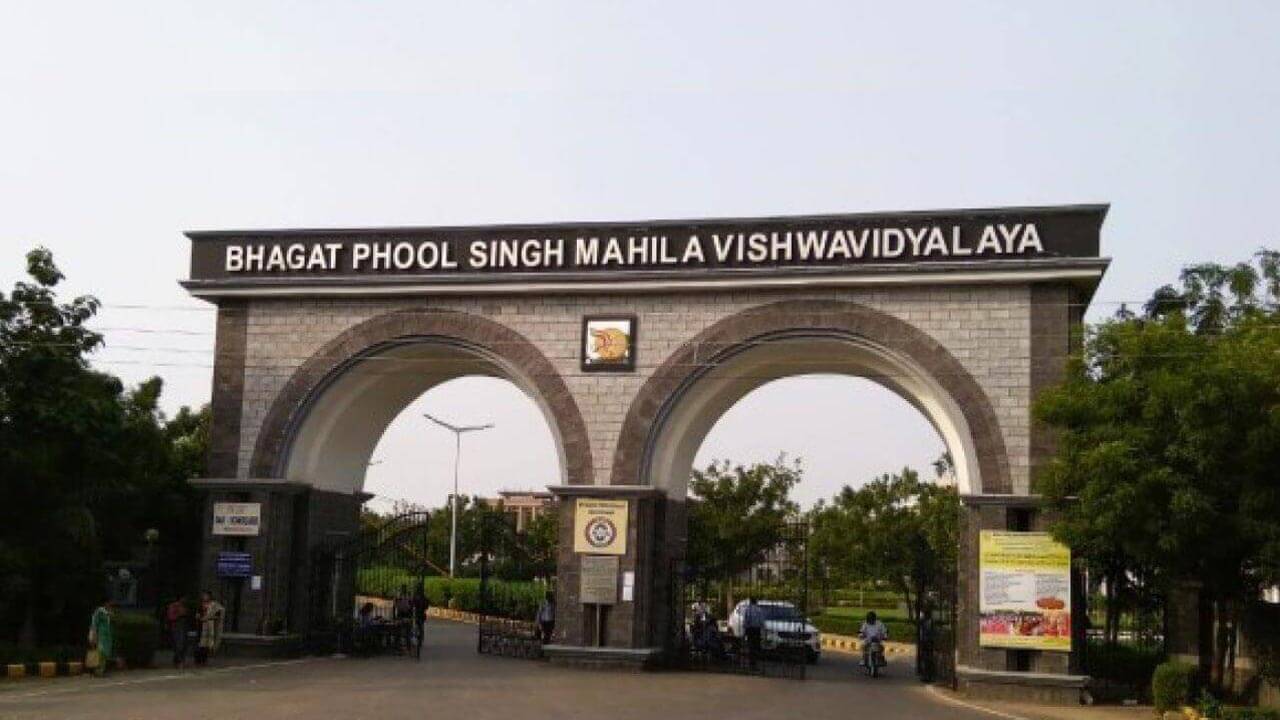
Introduction about Ph.D. From Jawaharlal Nehru Technological University
Jawaharlal Nehru Technological University (JNTU), located in Telangana, is a premier institution renowned for its emphasis on engineering, technology, and innovative research. The Ph.D. program at JNTU is designed to foster advanced research and academic excellence in various technical domains. This program is structured to equip scholars with rigorous theoretical knowledge and practical skills, enabling them to address real-world challenges with innovative solutions. With a robust curriculum that bridges traditional engineering principles with modern technological advancements, the Ph.D. course encourages interdisciplinary research and collaborative projects.
At JNTU, candidates are provided with state-of-the-art research facilities, comprehensive resources, and access to industry experts who guide them throughout their research journey. The university’s faculty, comprised of experienced academicians and renowned researchers, plays a critical role in mentoring students to excel in their respective fields. The academic environment is further enriched by regular seminars, workshops, and conferences that promote intellectual exchange and stimulate creative thinking. In addition to a strong focus on core subjects, the Ph.D. program emphasizes innovation, critical analysis, and the application of advanced research methodologies. As a result, graduates from JNTU emerge as thought leaders and pioneers, capable of contributing significantly to technological advancements and societal development.
Fee Structure for Ph.D. in Jawaharlal Nehru Technological University
| Fee Type | Amount (INR) |
|---|---|
| Tuition Fee Per Year | 35,000 - 55,000 |
| Registration Fee | 4,000 - 7,000 |
| Total Fee (Approx.) | 39,000 - 62,000 per year |
Admission Process For Ph.D. in Jawaharlal Nehru Technological University
The admission process at JNTU for the Ph.D. program is designed to attract and select candidates with exceptional academic and research capabilities. The selection process is comprehensive, ensuring that only the most suitable candidates are admitted. It comprises several stages that evaluate the candidate's academic record, research proposal, and potential for contributing to the field.
- Submit an online application via the official JNTU portal.
- Screening of academic transcripts and research credentials.
- Submission of a detailed research proposal outlining the intended research area.
- Shortlisting based on academic performance and research potential.
- Invitation for a personal interview with the selection committee.
- Final selection based on the interview, proposal evaluation, and overall academic merit.
- Issuance of an admission offer and further enrollment instructions.
Ph.D. Subjects in Jawaharlal Nehru Technological University
| Subject Code | Subject Name | Description |
|---|---|---|
| JNTU101 | Advanced Signal Processing | Focuses on modern techniques in signal analysis, filtering, and digital processing. |
| JNTU102 | Renewable Energy Systems | Covers sustainable energy technologies, power systems, and innovative energy solutions. |
| JNTU103 | Computer Science and Engineering | Encompasses advanced topics in algorithms, artificial intelligence, and software engineering. |
| JNTU104 | Robotics and Automation | Explores robotic systems, automation technologies, and their applications in industry. |
| JNTU105 | Structural Engineering and Materials | Discusses advanced concepts in construction materials, structural analysis, and design innovations. |
Document Required For Ph.D. in Jawaharlal Nehru Technological University
Applicants need to compile and submit a complete set of documents that validate their academic achievements, research potential, and identity. These documents are essential for the evaluation process and ensure that candidates meet the university's admission criteria.
- Official academic transcripts and degree certificates from previous qualifications.
- Valid identification proof (e.g., Aadhaar card, Passport, Voter ID).
- Comprehensive research proposal detailing the research objectives and methodology.
- Letters of recommendation from academic mentors or professional referees.
- A detailed curriculum vitae (CV) highlighting academic and research accomplishments.
- Statement of purpose explaining research interests and future career plans.
- Any published papers, patents, or research work, if available.
Jawaharlal Nehru Technological University Ph.D. Syllabus
| Module | Topics Covered |
|---|---|
| Module 1: Research Fundamentals | Research ethics, literature review, research design, and proposal development |
| Module 2: Advanced Theoretical Concepts | In-depth study of core subjects, advanced theories, and modern technological trends |
| Module 3: Experimental & Computational Methods | Field experiments, simulation techniques, data collection methods, and statistical analysis |
| Module 4: Dissertation Development | Thesis writing, academic research standards, publication ethics, and defense preparation |
| Module 5: Interdisciplinary Integration | Collaborative projects, interdisciplinary research methods, and industry case studies |
Jawaharlal Nehru Technological University Research Methodology
- Define the research problem and establish clear objectives.
- Conduct an exhaustive literature review to identify research gaps.
- Design a robust research framework employing qualitative and quantitative methods.
- Select appropriate data collection techniques and instruments.
- Utilize advanced statistical and computational tools for data analysis.
- Ensure adherence to ethical standards in research practices.
- Continuously refine the methodology based on feedback and interim results.
- Draft the dissertation with comprehensive analysis and critical insights.
Jawaharlal Nehru Technological University Highlights
| Aspect | Details |
|---|---|
| Academic Excellence | Renowned for its rigorous academic programs and innovative research initiatives. |
| Faculty | Experienced and dedicated professors actively involved in cutting-edge research. |
| Infrastructure | State-of-the-art laboratories, modern research centers, and advanced computing facilities. |
| Industry Collaborations | Strong ties with industry partners for research projects and practical training. |
| Research Output | Numerous publications, patents, and innovations in various technological fields. |
| Global Exposure | Collaborative research with international institutions and participation in global conferences. |
How To Apply For Ph.D. in Jawaharlal Nehru Technological University
- Visit the official JNTU website and navigate to the Ph.D. admissions section.
- Register an account and complete the online application form with accurate details.
- Upload all necessary documents including academic transcripts, research proposal, CV, and identity proof.
- Submit a well-crafted statement of purpose outlining your research interests and career goals.
- Pay the application fee via the secure online payment gateway.
- Participate in the screening process and attend the scheduled interview.
- Follow up with the admissions office for any additional requirements or clarifications.
- Receive the admission offer and complete the enrollment formalities as directed.
Courses After Ph.D. in Jawaharlal Nehru Technological University
- Post-doctoral Research Fellowships
- Advanced Certification Courses in Emerging Technologies
- Specialized Workshops and Seminars on Interdisciplinary Research
- Executive Education and Professional Development Programs
- Industry-specific Training and Innovation Programs
Jawaharlal Nehru Technological University Scholarship
Jawaharlal Nehru Technological University is committed to nurturing academic excellence by offering an array of scholarships and financial aid opportunities for its Ph.D. scholars. These scholarships are designed to provide comprehensive support that enables students to focus on their research without financial constraints. Awarded on the basis of merit, research potential, and financial need, the scholarship program includes tuition fee waivers, research grants, and stipends to cover living expenses. The university’s robust financial support system ensures that promising researchers have access to the resources they need to excel academically and contribute to technological advancements. With a focus on fostering innovation and interdisciplinary collaboration, these scholarships empower students to pursue groundbreaking research projects and achieve significant milestones in their academic journey.
- Merit-based Scholarships for outstanding academic achievements.
- Need-based Financial Aid for candidates requiring additional support.
- Research Grants to fund innovative projects and publications.
- Special Awards for exceptional contributions in research and innovation.
Jawaharlal Nehru Technological University FAQ's Regarding Ph.D.
Q1: What are the eligibility criteria for the Ph.D. program?
A1: Applicants must have a relevant Master’s degree in engineering, technology, or a related field with a strong academic record and research proposal.
Q2: How is the Ph.D. entrance process conducted?
A2: The selection process includes an online application review, evaluation of academic credentials and research proposal, followed by a personal interview.
Q3: What documents are required during the application process?
A3: Required documents include academic transcripts, degree certificates, research proposal, letters of recommendation, CV, identification proof, and a statement of purpose.
Q4: How long does the Ph.D. program take to complete?
A4: The duration typically ranges from 3 to 5 years, depending on the research progress and dissertation work.
Q5: Are there any scholarships available for Ph.D. candidates?
A5: Yes, JNTU offers various scholarships and financial aid options based on academic merit, research potential, and financial need.
Q6: Can working professionals apply for the Ph.D. program?
A6: Yes, working professionals with relevant experience are encouraged to apply, although the program is primarily designed for full-time research.
Q7: What is the mode of the admission process?
A7: The entire admission process is conducted online, from application submission to interviews.
Q8: Are there any industry collaborations available for Ph.D. research?
A8: Yes, JNTU has strong ties with industry partners, facilitating collaborative research projects and practical training.
Q9: What research facilities are available at JNTU?
A9: The university offers state-of-the-art laboratories, research centers, and advanced computational resources to support innovative research.
Q10: Where can I find more detailed information about the Ph.D. program?
A10: More information is available on the official JNTU website or by contacting the admissions office directly..