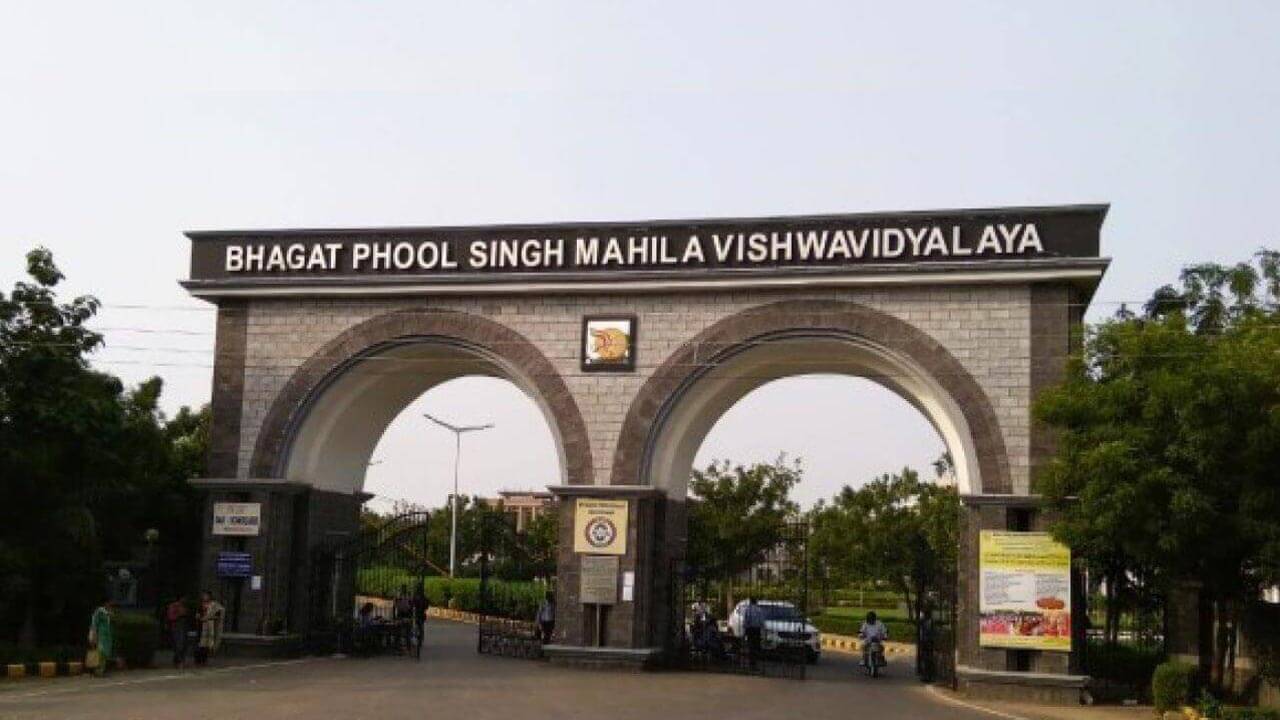
Introduction about Ph.D. From Jawaharlal Nehru University
Jawaharlal Nehru University (JNU), located in the vibrant city of Delhi, is renowned for its academic excellence and strong research culture. Established with the vision of fostering critical thinking and innovation, JNU offers a wide range of Ph.D. programs across multiple disciplines, from social sciences and humanities to natural sciences and technology. The university’s commitment to inter-disciplinary studies encourages students to broaden their intellectual horizons and engage in groundbreaking research projects.
The Ph.D. program at JNU is designed to equip scholars with rigorous methodological skills, a deep understanding of their chosen field, and the ability to contribute significantly to academic discourse. With a diverse faculty comprising leading experts and scholars, the university provides a stimulating environment that challenges students to explore new perspectives and push the boundaries of knowledge. State-of-the-art libraries, well-equipped laboratories, and a supportive administrative framework further enhance the research experience. JNU’s rich campus life, which includes numerous seminars, conferences, and cultural events, adds to the holistic development of doctoral candidates. This combination of academic rigor and vibrant campus culture makes JNU an ideal destination for those aiming to excel in research and contribute to society through innovation and scholarship.
Fee Structure for Ph.D. in Jawaharlal Nehru University
| Fee Type | Amount (INR) |
|---|---|
| Tuition Fee Per Year | 10,000 - 20,000 |
| Registration Fee | 1,000 - 2,000 |
| Total Fee (Approx.) | 11,000 - 22,000 per year |
Admission Process For Ph.D. in Jawaharlal Nehru University
The admission process at JNU is meticulously structured to select candidates who demonstrate strong academic potential, research aptitude, and a clear vision for their doctoral work. The process typically involves a combination of written examinations, interviews, and evaluations of past academic performance.
- Online application submission via the official JNU website.
- Screening of academic records and relevant work or research experience.
- Entrance examination assessing subject knowledge and research aptitude.
- Shortlisting based on performance in the entrance test and previous academic credentials.
- Personal interview with the selection committee to discuss research interests.
- Final merit list prepared based on written exam scores, interview performance, and academic background.
- Issuance of admission offer letter and subsequent enrollment procedures.
Ph.D. Subjects in Jawaharlal Nehru University
| Subject Code | Subject Name | Description |
|---|---|---|
| JNU101 | International Relations | Explores global politics, diplomatic studies, and international policy analysis. |
| JNU102 | Molecular Biology & Genetics | Focuses on advanced genetics, gene expression, and biotechnological applications. |
| JNU103 | Economics | Covers micro and macroeconomic theories, development economics, and econometrics. |
| JNU104 | Computer & Information Sciences | Encompasses algorithms, data science, machine learning, and software systems. |
| JNU105 | History & Cultural Studies | Studies historical evolution, cultural transformations, and heritage conservation. |
Document Required For Ph.D. in Jawaharlal Nehru University
Applicants must compile a set of documents that verify their academic background, research interests, and identity. These documents help the admission committee evaluate the applicant’s readiness and suitability for the Ph.D. program.
- Official transcripts and degree certificates from all previous educational qualifications.
- Valid identification proof (e.g., Aadhaar card, Passport, or Voter ID).
- A well-defined research proposal outlining the objectives, methodology, and significance of the study.
- Letters of recommendation from academic or professional mentors.
- Updated curriculum vitae (CV) highlighting academic achievements and research experience.
- Statement of purpose detailing research interests and career aspirations.
- Any published papers, project reports, or research work, if available.
Jawaharlal Nehru University Ph.D. Syllabus
| Module | Topics Covered |
|---|---|
| Module 1: Research Foundations | Research ethics, literature review, theoretical frameworks, and proposal development |
| Module 2: Advanced Theoretical Concepts | Discipline-specific theories, contemporary debates, and advanced analytical techniques |
| Module 3: Methodological Approaches | Qualitative and quantitative methods, data collection strategies, and fieldwork |
| Module 4: Dissertation Preparation | Thesis structuring, academic writing standards, publication ethics, and defense preparation |
| Module 5: Specialized Electives | Area-specific courses that offer deeper insights into the chosen research domain |
Jawaharlal Nehru University Research Methodology
- Defining a clear research question and establishing study objectives.
- Conducting an extensive literature review to identify gaps and contextualize research.
- Employing both qualitative and quantitative methods as per research needs.
- Utilizing advanced analytical tools for data interpretation and validation.
- Ensuring ethical compliance and maintaining research integrity.
- Adopting an iterative approach, refining methods based on preliminary findings.
- Documenting each phase for transparency and academic scrutiny.
- Preparing and defending a comprehensive dissertation in front of an expert panel.
Jawaharlal Nehru University Highlights
| Aspect | Details |
|---|---|
| Academic Reputation | Consistently ranked among the top universities in India for research and teaching. |
| Faculty | Renowned scholars and experts across various disciplines. |
| Infrastructure | Well-equipped libraries, advanced labs, and digital resources. |
| Interdisciplinary Focus | Encourages collaboration between diverse academic fields. |
| Global Collaborations | MoUs with international institutions for student exchange and joint research. |
| Student Life | Vibrant campus culture with numerous seminars, workshops, and cultural events. |
| Research Output | High-impact publications, patents, and conference presentations. |
| Career Opportunities | Strong placement and networking support through academic-industry linkages. |
How To Apply For Ph.D. in Jawaharlal Nehru University
- Visit the official JNU website and create an account on the admissions portal.
- Fill out the online application form with personal and academic details.
- Upload the required documents, including transcripts, research proposal, and references.
- Pay the application fee through the designated online payment gateway.
- Track the application status and download the admit card for the entrance examination.
- Appear for the entrance test and, if shortlisted, prepare for the interview.
- Attend the personal interview and discuss your research interests with the selection panel.
- Wait for the final merit list and admission offer letter.
- Complete the enrollment process as per the university guidelines.
Courses After Ph.D. in Jawaharlal Nehru University
- Post-Doctoral Fellowships (PDFs) in specialized research areas
- Advanced Diploma Courses in emerging fields
- Professional Certificate Programs for skill enhancement
- Faculty Development Programs (FDP) for academic growth
- Industry-Specific Training and Consultancy Projects
Jawaharlal Nehru University Scholarship
Jawaharlal Nehru University is committed to ensuring that financial constraints do not hinder talented scholars from pursuing their research ambitions. To support this vision, the university offers a range of scholarships and financial assistance programs. These may include tuition fee waivers, fellowships, and stipends for research-related expenses. Merit-based scholarships reward outstanding academic performance, while need-based support caters to students from economically disadvantaged backgrounds. Additionally, the university often collaborates with government bodies and private organizations to provide specialized grants for research projects, international conferences, and fieldwork. By offering such comprehensive support, JNU fosters an environment where scholars can fully immerse themselves in their doctoral studies, innovate, and contribute to the global academic community. The scholarship programs are instrumental in attracting a diverse and talented pool of candidates, thereby enhancing the university’s intellectual capital.
- Merit-based Fellowships for high-achieving scholars.
- Need-based Financial Aid for students requiring financial support.
- Research Grants for project funding and publications.
- Special Awards for exceptional contributions in academic research.
Jawaharlal Nehru University FAQ's Regarding Ph.D.
Q1: What is the basic eligibility for applying to a Ph.D. at JNU?
A1: Candidates must hold a relevant Master’s degree with a minimum required percentage or CGPA, along with a strong research proposal.
Q2: Is there an entrance examination for Ph.D. admissions?
A2: Yes, JNU conducts an entrance examination to assess subject knowledge and research aptitude, followed by an interview round for shortlisted candidates.
Q3: Can I apply if I have work experience in a related field?
A3: Absolutely. Relevant work experience can strengthen your application, especially if it aligns with your proposed research area.
Q4: How long does it typically take to complete a Ph.D. at JNU?
A4: The duration usually ranges from 3 to 5 years, depending on the nature of the research and dissertation requirements.
Q5: Are there any scholarships available for international students?
A5: Yes, JNU offers scholarships for both domestic and international students. The exact details vary, so it’s best to consult the official website for current information.
Q6: What is the mode of teaching for the Ph.D. program?
A6: The program involves a combination of coursework, seminars, workshops, and one-on-one mentoring, depending on the specific department.
Q7: Can I change my research topic after enrollment?
A7: Minor changes are typically allowed, but significant alterations require approval from the department and faculty advisor.
Q8: How often are entrance examinations conducted?
A8: The entrance exams are usually conducted annually. However, schedules may vary, so always check the official website for updates.
Q9: Does JNU have any tie-ups with foreign universities?
A9: Yes, JNU has numerous international collaborations and exchange programs that enable students to gain global exposure.
Q10: What kind of research facilities are available on campus?
A10: JNU boasts advanced libraries, modern labs, high-speed internet access, and specialized research centers catering to different academic fields.