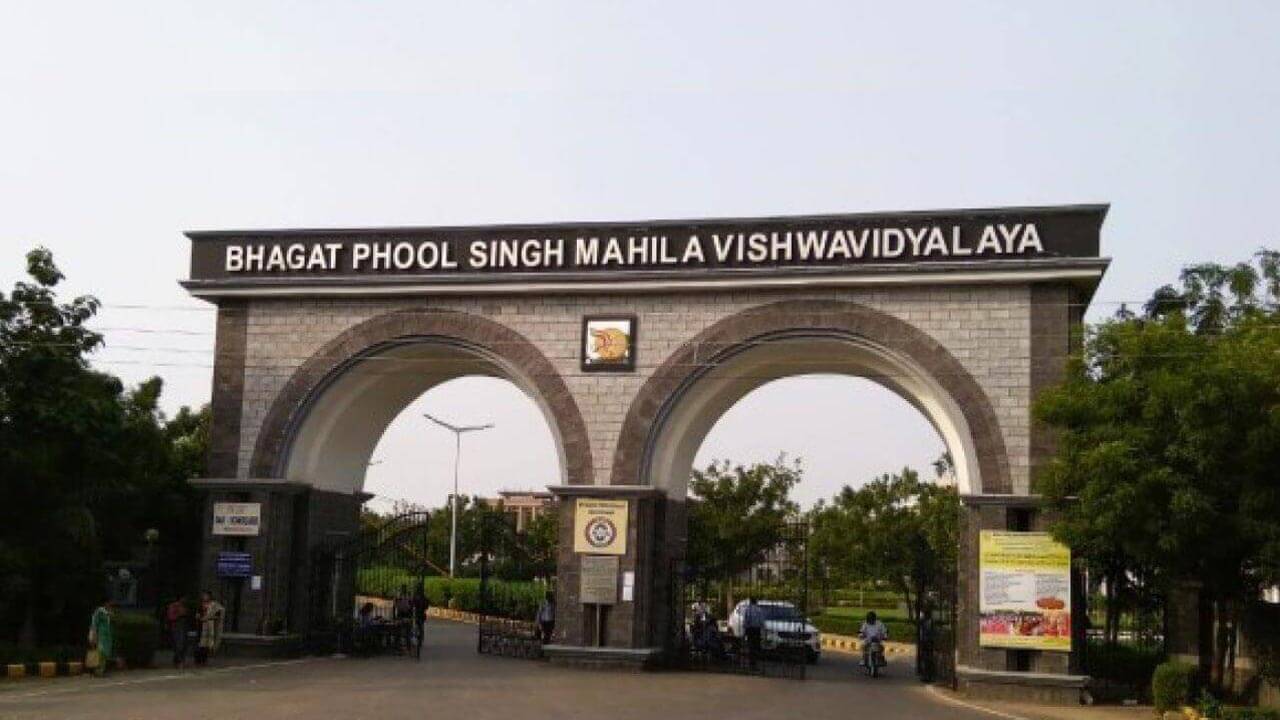
Introduction about Ph.D. in Economics at Baba Mastnath University
Embarking on a Ph.D. in Economics at Baba Mastnath University is a transformative journey designed for ambitious professionals who aspire to shape economic policy, drive research innovation, and become thought leaders in a rapidly evolving global economy. The university’s vibrant academic environment, seasoned faculty, and cutting‑edge resources provide the ideal platform for scholars eager to contribute original insights to macroeconomics, development economics, financial markets, and more. Whether you aim to pursue a career in academia, international organisations, or strategic consultancy, this programme equips you with rigorous analytical skills, robust research methodology, and a distinguished credential that is recognised worldwide.
Eligibility Criteria for Ph.D. in Economics at Baba Mastnath University
The eligibility framework ensures that candidates possess a solid academic foundation and research potential:
- A Master's degree (M.A., M.Sc., M.Com, or equivalent) in Economics, Finance, Business Administration, or a closely related discipline with a minimum aggregate of 55% (or CGPA 5.5/10).
- Qualifying national‑level examinations such as UGC‑NET, CSIR‑NET, or a university‑conducted Ph.D. entrance test.
- For candidates holding a B.A./B.Sc. degree, a minimum of 60% aggregate and successful completion of a pre‑Ph.D. research project may be considered.
- Proficiency in English (IELTS 6.0 or TOEFL 80) for international applicants.
Entrance Exam for Ph.D. in Economics at Baba Mastnath University
The university conducts a two‑stage admission process:
- Written Test: A 120‑minute paper covering micro‑economics, macro‑economics, econometrics, and research aptitude.
- Interview & Proposal Presentation: Shortlisted candidates present their research proposal and undergo a viva‑voce with the department panel.
Candidates who have cleared UGC‑NET or CSIR‑NET are exempted from the written test but must still attend the interview.
Fee Structure for Ph.D. in Economics at Baba Mastnath University
| Component | Annual Fee (INR) | Notes |
|---|---|---|
| Tuition & Research Supervision | 85,000 | Includes access to library, databases, and lab facilities. |
| Examination & Evaluation | 12,000 | Paid per semester when exams are scheduled. |
| Registration & Administrative Charges | 5,000 | One‑time fee during the first year. |
| Miscellaneous (Printing, Software, Workshops) | 8,000 | Estimated per annum. |
| Total Approximate Cost | 110,000 | For a 4‑year Ph.D. program. |
Admission Process for Ph.D. in Economics at Baba Mastnath University
The streamlined admission pathway comprises the following steps:
- Online Application: Submit the application form via the university portal, attaching academic transcripts, proof of NET/CSIR qualification (if any), and a concise research proposal (max 1500 words).
- Document Verification: The admission office validates all uploaded documents and issues a provisional ID.
- Entrance Test &/or Interview: As detailed in the Entrance Exam section.
- Final Selection: Merit list is published based on test scores, interview performance, and academic record.
- Admission Confirmation: Successful candidates confirm their seat by paying the first-year fee within the stipulated deadline.
Ph.D. Subjects and Specializations in Economics at Baba Mastnath University
The programme offers a broad spectrum of research domains, enabling candidates to tailor their doctoral journey:
- Macroeconomic Theory & Policy
- Development Economics & Rural Studies
- International Trade & Finance
- Environmental & Resource Economics
- Behavioural Economics
- Financial Econometrics & Risk Management
- Public Economics & Fiscal Policy
Research Areas in Economics at Baba Mastnath University
Faculty mentors are actively engaged in cutting‑edge research across several priority areas:
- Impact of Digital Currencies on Emerging Markets.
- Economic Implications of Climate Change and Sustainable Development.
- Policy Evaluation of Government Welfare Schemes.
- Data‑driven Analysis of Income Inequality.
- Quantitative Modelling of Global Supply‑Chain Disruptions.
- Micro‑finance and Financial Inclusion in Rural India.
Documents Required for Ph.D. in Economics at Baba Mastnath University
| Document | Details |
|---|---|
| Academic Transcripts | Mark sheets & certificates of all postgraduate/post‑doctoral qualifications. |
| Entrance Exam Scorecard | UGC‑NET/CSIR‑NET or university‑conducted test result. |
| Research Proposal | 1500‑word document outlining objectives, methodology, and literature review. |
| Curriculum Vitae (CV) | Professional experience, publications, conferences, and academic achievements. |
| Identity Proof | Aadhar Card / Passport (for Indian and foreign candidates respectively). |
| English Proficiency Certificate | IELTS / TOEFL (mandatory for non‑English medium graduates). |
Baba Mastnath University Ph.D. Syllabus for Economics
The doctoral syllabus is structured to develop expertise through coursework and research:
- Advanced Microeconomic Theory
- Advanced Macroeconomic Modelling
- Econometrics (Time Series & Panel Data)
- Research Methodology & Statistics
- Special Topics (selected based on faculty expertise)
- Seminars & Workshops on Contemporary Economic Issues
Baba Mastnath University Research Methodology for Ph.D. in Economics
The programme emphasizes a rigorous methodological framework:
- Literature Survey: Systematic review using databases such as JSTOR, EconLit, and Scopus.
- Hypothesis Formulation: Development of testable economic hypotheses.
- Data Collection: Primary surveys, secondary datasets, and big‑data sources.
- Quantitative Analysis: Application of econometric software (STATA, R, EViews).
- Qualitative Techniques: Case study analysis, focus groups, and policy simulation.
- Thesis Writing & Publication: Guidance on scholarly writing, peer‑review process, and journal submission.
Highlights of Ph.D. in Economics at Baba Mastnath University
| Feature | Benefit |
|---|---|
| Full‑time & Part‑time Options | Flexibility for working professionals and academicians. |
| Industry‑Linked Projects | Collaboration with RBI, SEBI, World Bank, and leading consultancies. |
| International Exchange | Opportunities to conduct research at partner universities abroad. |
| Publication Support | Assistance with high‑impact journal submissions and conference papers. |
| Scholarship & Financial Aid | Merit‑based stipends, research grants, and fee waivers. |
How To Apply for Ph.D. in Economics at Baba Mastnath University
Follow these concise steps to secure your seat:
- Visit the official Ph.D. Economics admission portal and register.
- Complete the online application form and upload the required documents (see Documents Required section).
- Pay the non‑refundable application fee of INR 2,500 via net banking or credit card.
- Prepare for the entrance test or arrange for NET/CSIR‑NET score submission.
- Attend the interview and present your research proposal.
- Upon selection, confirm admission by paying the first-year tuition fee.
Career Scope and Job Opportunities After Ph.D. in Economics from Baba Mastnath University
Graduates emerge as highly sought‑after experts in various sectors:
- Academia: Assistant Professor, Research Fellow, Department Head.
- Government & Public Policy: Economic Advisor, Policy Analyst, Central/State Planning Commission.
- International Organisations: Economist at UNDP, World Bank, IMF, Asian Development Bank.
- Financial Services: Senior Economist, Risk Analyst, Quantitative Researcher in banks and fintech firms.
- Think Tanks & Research Institutes: Lead Researcher, Project Director.
- Corporates: Strategy Consultant, Business Intelligence Manager.
Scholarship for Ph.D. in Economics at Baba Mastnath University
The university offers a variety of financial assistance programmes to reward academic excellence:
- Merit‑Based Scholarship: Up to 50% tuition waiver for students scoring above 75% in the entrance test.
- Research Grant: Annual stipend of INR 30,000 for fieldwork and data acquisition.
- UGC‑Sponsored Fellowship: Eligible candidates can apply for the UGC‑JRF (Junior Research Fellowship).
- Industry Sponsored Scholarships: Collaboration with banking and consultancy firms offering project‑based fellowships.
FAQs Regarding Ph.D. in Economics at Baba Mastnath University
Q1: What is the minimum duration of the Ph.D. programme?
A: The programme is designed for a minimum of four years of full‑time study, extendable up to six years based on research progress.
Q2: Can I pursue the Ph.D. part‑time while working?
A: Yes, a part‑time option is available, allowing candidates to complete the degree in 6‑8 years with flexible class schedules.
Q3: Is there any provision for publishing my thesis in international journals?
A: The university provides dedicated Research Publication Support to help students target high‑impact journals.
Q4: How are the supervisors assigned?
A: Supervisors are allocated based on the alignment of your research proposal with faculty expertise and availability.
Q5: Are there any additional services to assist with my dissertation?
A: Yes, you can benefit from Thesis and Dissertation Writing Services and Research Data Analysis Services offered by partner providers.