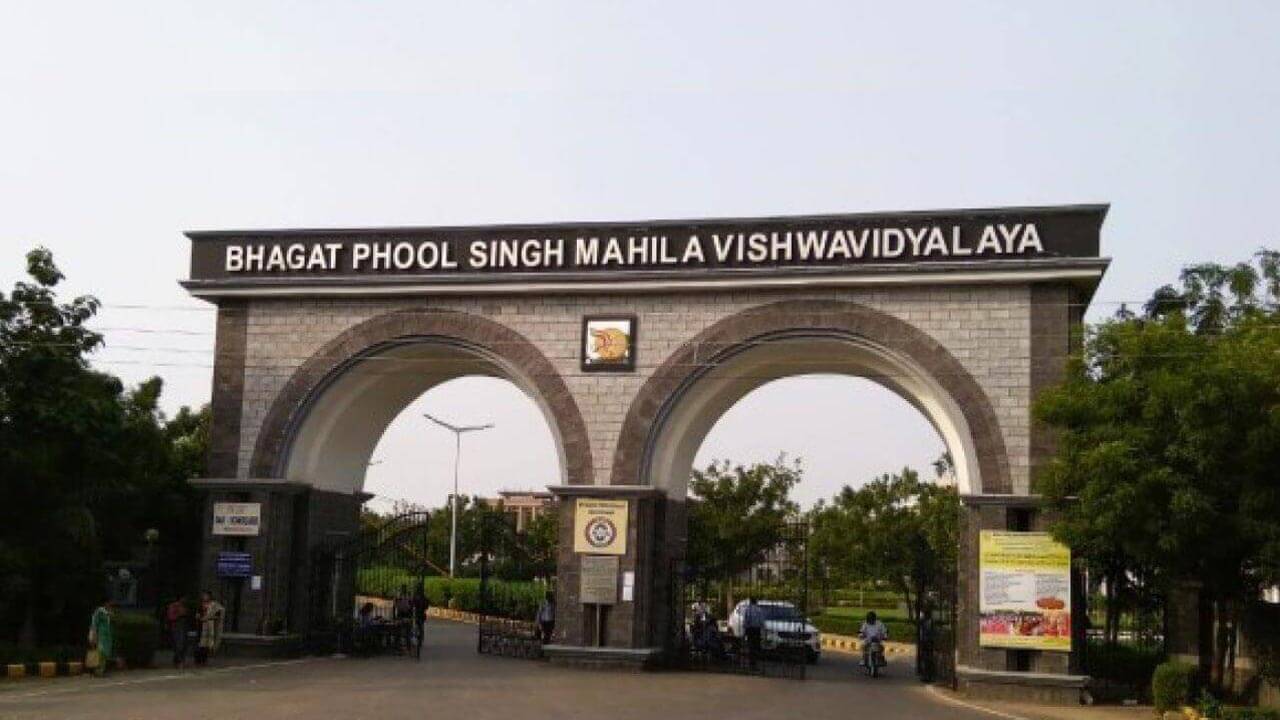
Ph.D. in Political Science at Baba Mastnath University
Political science is a dynamic discipline that analyses power, governance, public policies, and international relations. Pursuing a Ph.D. in Political Science at Baba Mastnath University (BMU) equips professionals with rigorous research capabilities, critical thinking, and a deep understanding of political dynamics in a globalized world. This comprehensive guide walks you through every aspect—from eligibility to career prospects—so you can make an informed decision about your doctoral journey.
Eligibility Criteria for Ph.D. in Political Science at Baba Mastnath University
- Academic Qualification: A Master’s degree in Political Science or a related discipline (e.g., International Relations, Public Administration) with a minimum of 55% marks (or 5.5 CGPA) from a recognized university.
- Entrance Exam Score: Candidates must qualify the BMU Ph.D. entrance test (or national equivalent such as UGC NET/CSIR NET).
- Age Limit: No upper age restriction, but candidates should be prepared for rigorous research work.
- Language Proficiency: Proficiency in English (IELTS/TOEFL not mandatory unless the dissertation is to be submitted in English and the candidate’s primary education medium is not English).
- Work Experience (Optional): Professional experience in policy analysis, research institutes, NGOs, or government bodies adds value but is not compulsory.
Entrance Exam for Ph.D. in Political Science at Baba Mastnath University
The BMU entrance examination is designed to evaluate a candidate’s research aptitude and subject knowledge. It comprises:
- Paper I – General Research Aptitude (30 marks): Research methodology, statistics, and analytical skills.
- Paper II – Core Political Science (70 marks): Topics include political theory, comparative politics, public policy, Indian polity, and international relations.
Preparation tips: review previous years’ question papers, focus on research design, and stay updated with current political developments.
Fee Structure for Ph.D. in Political Science at Baba Mastnath University
| Component | Annual Fee (INR) |
|---|---|
| Tuition & Laboratory Charges | 45,000 |
| Library & E‑Resources | 8,000 |
| Examination & Evaluation Fee | 12,000 |
| Annual Registration & Miscellaneous | 5,000 |
| Total Approx. Yearly Cost | 70,000 |
Note: The fee is subject to annual revision and may vary for candidates receiving scholarships or financial aid.
Admission Process for Ph.D. in Political Science at Baba Mastnath University
- Fill the online application form on the BMU official portal.
- Upload scanned copies of academic certificates, mark sheets, ID proof, and passport‑size photograph.
- Pay the application fee (₹1,500) through net banking or UPI.
- Appear for the entrance examination on the scheduled date.
- Qualified candidates receive a merit list based on entrance score + academic performance (weightage 70:30).
- Submit a detailed research proposal (max 2,000 words) to the Department of Political Science.
- Attend a personal interview / viva‑voce with the faculty panel.
- On successful clearance, receive the admission offer letter and pay the first‑year tuition.
Ph.D. Subjects and Specializations in Political Science at Baba Mastnath University
- Comparative Politics
- International Relations and Global Governance
- Public Policy and Administration
- Political Theory and Philosophy
- Indian Politics and Federalism
- Security Studies and Strategic Affairs
- Electoral Studies and Political Behaviour
Research Areas in Political Science at Baba Mastnath University
BMU encourages interdisciplinary research that addresses contemporary challenges. Popular research domains include:
- Democratic Consolidation and Governance Reforms
- Impact of Digital Media on Public Opinion
- Climate Change Policy and International Cooperation
- Human Rights, Migration, and Refugee Studies
- Political Economy of Development
- Conflict Resolution and Peacebuilding
- Electoral Systems and Voter Behaviour Analytics
Documents Required for Ph.D. in Political Science at Baba Mastnath University
| Document | Details |
|---|---|
| Application Form (Online) | Completed and submitted via BMU portal |
| Academic Transcripts | Original & attested copies of Master's and Bachelor's certificates |
| Entrance Exam Scorecard | Valid BMU/UGC NET result |
| Research Proposal | 2,000‑word outline with objectives, methodology, and bibliography |
| Identity Proof | Aadhaar, Passport or Voter ID |
| Photographs | Two recent passport‑size (white background) |
| Experience Certificate (if any) | Letter from employer/organization |
Baba Mastnath University Ph.D. Syllabus for Political Science
The syllabus is structured across three semesters of coursework, followed by comprehensive research work.
- Semester I: Research Methodology, Quantitative & Qualitative Analysis, Academic Writing.
- Semester II: Advanced Theories of Politics, Comparative Government, Public Policy Analysis.
- Semester III: Specialized electives (choose two) – e.g., International Security, Indian Federalism, Political Economy.
- Semesters IV–VI: Thesis proposal development, fieldwork, data collection, analysis, and final dissertation submission.
Baba Mastnath University Research Methodology for Ph.D. in Political Science
Students receive hands‑on training in both classical and contemporary methods:
- Statistical software (SPSS, STATA, R) for quantitative analysis.
- NVivo and Atlas.ti for qualitative data coding.
- Survey design, questionnaire development, and sampling techniques.
- Case‑study methodology, comparative analysis, and archival research.
- Ethical considerations and Institutional Review Board (IRB) procedures.
For practical support, BMU collaborates with professional service providers. Explore options such as Thesis and Dissertation Writing Services, Research Data Analysis Services, and Research Paper Writing Services to enhance the quality and impact of your research.
Highlights of Ph.D. in Political Science at Baba Mastnath University
| Feature | Benefit |
|---|---|
| Inter‑disciplinary Faculty | Access to experts from Law, Economics, Sociology and International Relations. |
| State‑of‑the‑Art Data Labs | Dedicated software suites for statistical and qualitative analysis. |
| International Collaboration | Joint research projects with universities in Europe and the USA. |
| Publication Support | Assistance in publishing papers in indexed journals; also Research Publication Support. |
| Scholarship Opportunities | Merit‑based fellowships covering tuition and a monthly stipend. |
How To Apply for Ph.D. in Political Science at Baba Mastnath University
Follow these step‑by‑step instructions to submit a successful application:
- Visit the official BMU website and navigate to the Admissions → Ph.D. Programs section.
- Register using a valid email address, then log in to complete the application form.
- Upload scanned copies of all required documents (as listed in the “Documents Required” table).
- Pay the non‑refundable application fee through the portal.
- Schedule and appear for the entrance examination on the announced date.
- After clearing the exam, submit your research proposal via the portal and book an interview slot.
- Await the final merit list; if selected, accept the offer and pay the first‑year fee to secure your seat.
If you need assistance with the application or proposal preparation, consider the PhD Admission Assistance service, which offers personalized guidance throughout the process.
Career Scope and Job Opportunities After Ph.D. in Political Science from Baba Mastnath University
A doctoral degree opens doors to a diverse range of high‑impact careers:
- Academic Positions: Assistant/Associate Professor, Research Fellow, Department Head in universities and colleges.
- Policy Research Institutes: Senior Analyst, Project Manager, or Fellow at think‑tanks like CSIR‑NISCAIR, Indian Council of Social Science Research (ICSSR).
- Government & Public Administration: Advisory roles in ministries, civil services (e.g., IAS, IPS) or as a consultant for policy formulation.
- International Organizations: Positions at UNDP, World Bank, IMF, and other multilateral agencies focusing on governance, development, and human rights.
- Media & Journalism: Political commentator, editorial writer, or research analyst for leading newspapers and news channels.
- Non‑Governmental Organizations (NGOs): Program Director, Research Coordinator, or Advocacy Lead in areas such as democracy promotion, human rights, and environmental policy.
Scholarship for Ph.D. in Political Science at Baba Mastnath University
BMU offers several financial aid schemes to attract meritorious scholars:
- BMU Merit‑Based Fellowship: Full tuition waiver + INR 15,000 monthly stipend for the first two years.
- UGC Junior Research Fellowship (JRF): Eligible candidates can apply for the national JRF and receive INR 31,000 per month.
- External Scholarships: Applications for schemes such as the Commonwealth Scholarship, Fulbright-Nehru, and DAAD are supported by the university’s International Office.
Students may also benefit from the PhD Topic Selection and Proposal Assistance service to craft a compelling proposal that aligns with scholarship criteria.
FAQs Regarding Ph.D. in Political Science at Baba Mastnath University
- 1. What is the minimum duration to complete the Ph.D. program?
- The program is designed for a minimum of 3 years of full‑time study, subject to timely submission of the dissertation.
- 2. Can I pursue the Ph.D. part‑time while working?
- Yes. BMU offers a part‑time mode with a flexible schedule, though the total duration may extend up to 6 years.
- 3. Is there an age limit for admission?
- No upper age limit. However, candidates should be prepared for intensive research and academic commitments.
- 4. Do I need to submit a research proposal before the interview?
- Yes. A concise proposal (max 2,000 words) is mandatory for shortlisting candidates for the viva‑voce.
- 5. How many publications are required before graduation?
- At least one peer‑reviewed journal article is expected, though the university encourages multiple publications.
Embark on a transformative journey with a Ph.D. in Political Science from Baba Mastnath University. Leverage world‑class faculty, robust research infrastructure, and comprehensive support services to become a thought leader in the field of politics and governance.