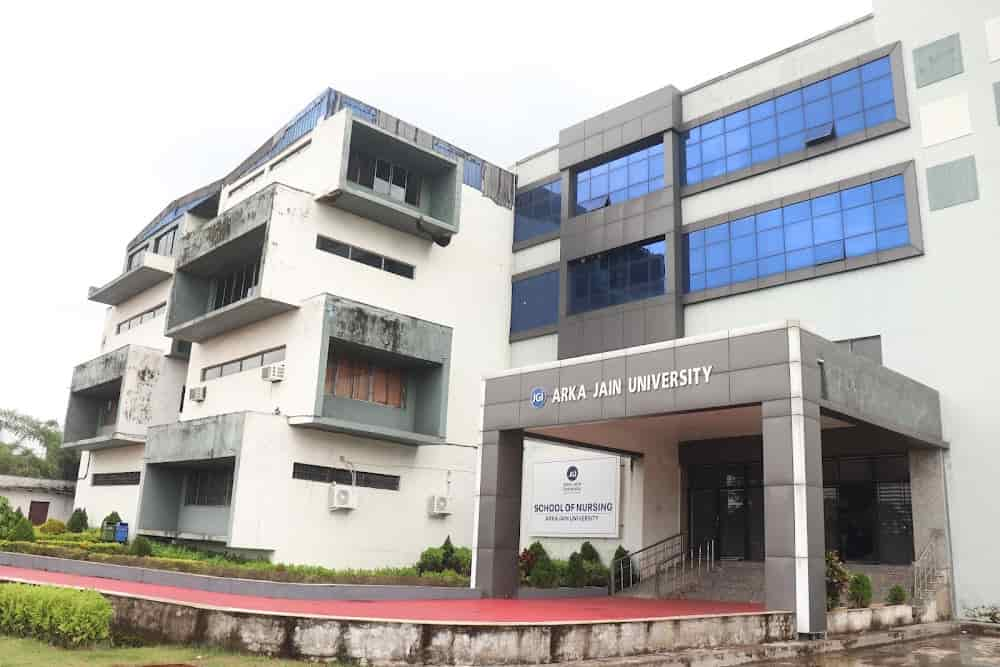
Introduction about Ph.D. in Electrical & Electronics Engineering at Arka Jain University
Embarking on a Doctoral journey in Electrical & Electronics Engineering at Arka Jain University opens a gateway to world‑class research, cutting‑edge laboratories, and mentorship from industry‑renowned faculty. Whether you aspire to innovate in renewable energy systems, design next‑generation communication networks, or develop intelligent automation, this program equips you with the scientific rigor and practical expertise to become a thought leader. The curriculum blends advanced theory with hands‑on projects, fostering a culture of curiosity, critical thinking, and societal impact.
Eligibility Criteria for Ph.D. in Electrical & Electronics Engineering at Arka Jain University
- Master’s degree (M.Tech, M.E., M.Sc.) in Electrical Engineering, Electronics Engineering, or a closely related discipline with a minimum 55% aggregate (or CGPA equivalent).
- Valid GATE score (optional but preferred) in the Electrical & Electronics Engineering paper.
- Research aptitude demonstrated through published papers, conference presentations, or patents.
- For candidates holding a Bachelor’s degree (B.E./B.Tech) with a 65% aggregate and at least 5 years of relevant industry experience, a direct entry option is also available.
- Proficiency in English – minimum IELTS 6.0 or TOEFL 80 (for international applicants).
Entrance Exam for Ph.D. in Electrical & Electronics Engineering at Arka Jain University
The university conducts a comprehensive Ph.D. Entrance Examination twice a year (June & December). The exam evaluates:
- Fundamental concepts in Electrical Circuits, Power Systems, Signal Processing, and Control Theory.
- Analytical skills through quantitative problems and case studies.
- Research methodology awareness via a short essay on a chosen research topic.
A written test (2 hours) followed by a Personal Interview (30 minutes) determines the final shortlist. Candidates with a valid GATE score may be exempted from the written portion and directly called for the interview.
Fee Structure for Ph.D. in Electrical & Electronics Engineering at Arka Jain University
| Component | Annual Amount (INR) | Notes |
|---|---|---|
| Tuition Fee | 1,20,000 | Inclusive of laboratory access and software licences. |
| Registration & Examination Fee | 15,000 | One‑time payment at admission. |
| Research Project Funding (optional) | Up to 50,000 | Provided based on project proposal and sponsor availability. |
| Library & Digital Resources | 5,000 | Access to IEEE Xplore, Springer, and other databases. |
| Total (approx.) | 1,90,000 | Subject to revision each academic year. |
Admission Process for Ph.D. in Electrical & Electronics Engineering at Arka Jain University
- Online Application: Fill the application form on the university portal, upload scanned copies of academic certificates, and pay the application fee (₹2,000).
- Submission of Research Proposal: A concise 3‑page proposal outlining objectives, methodology, and expected contributions.
- Entrance Examination & Interview: Appear for the written test (if applicable) and attend the interview with the department panel.
- Document Verification: Present original certificates, ID proof, and experience letters at the campus office.
- Final Offer Letter: Receive admission confirmation via email, along with fee payment instructions.
- Orientation & Registration: Attend the doctoral orientation program and register for courses.
Ph.D. Subjects and Specializations in Electrical & Electronics Engineering at Arka Jain University
The doctoral program offers the following specializations:
- Power System Stability & Smart Grids
- Renewable Energy Conversion & Storage
- Digital Signal Processing & Embedded Systems
- VLSI Design and Nanoelectronics
- Control Systems and Robotics
- Internet of Things (IoT) and Wireless Communications
- Artificial Intelligence in Power Electronics
Research Areas in Electrical & Electronics Engineering at Arka Jain University
Faculty members are actively engaged in diverse research domains. Current focus areas include:
- High‑Efficiency Photovoltaic Inverters
- Grid‑Connected Energy Storage Optimization
- 5G/6G Antenna Design and Beamforming
- Machine Learning‑Based Fault Diagnosis in Power Networks
- Low‑Power VLSI for Wearable Devices
- Cyber‑Physical Systems for Industrial Automation
- Quantum Computing Hardware Development
Students are encouraged to collaborate with industry partners, research labs, and international universities for joint publications.
Documents Required for Ph.D. in Electrical & Electronics Engineering at Arka Jain University
| Document | Format | Remarks |
|---|---|---|
| Academic Transcripts & Degree Certificates | PDF (Scanned) | All higher‑education qualifications. |
| GATE Score Card (if applicable) | Must be valid for the current admission cycle. | |
| Research Proposal (3 pages) | DOCX or PDF | Include objectives, methodology, and references. |
| Resume/CV | Highlight publications, patents, and projects. | |
| Identity Proof (Aadhaar / Passport) | For verification during enrollment. | |
| Letter of Recommendation (2) | From academic or industry supervisors. |
Arka Jain University Ph.D. Syllabus for Electrical & Electronics Engineering
The syllabus is structured into core modules and elective tracks, spanning four semesters of coursework followed by research work:
- Core Modules: Advanced Power System Analysis, Semiconductor Device Physics, Digital Signal Processing, Research Methodology, Academic Writing.
- Elective Tracks (choose any two): Renewable Energy Systems, VLSI Design, Wireless Communication, Control Theory, Machine Learning for Engineering.
- Comprehensive Exam: Written and oral assessment after the second semester to qualify for full‑time research.
- Thesis Submission: Minimum of 3 peer‑reviewed journal articles and a 150‑page dissertation.
Arka Jain University Research Methodology for Ph.D. in Electrical & Electronics Engineering
Students receive rigorous training in:
- Quantitative & qualitative data collection techniques.
- Statistical analysis using MATLAB, Python, and R.
- Simulation tools such as PSCAD, COMSOL, and Cadence.
- Experimental design for hardware prototyping.
- Ethical considerations and intellectual property management.
For professional assistance with data analysis, explore Research Data Analysis Services. If you need help framing your dissertation, the Thesis and Dissertation Writing Services can guide you through every chapter.
Highlights of Ph.D. in Electrical & Electronics Engineering at Arka Jain University
| Feature | Benefit |
|---|---|
| State‑of‑the‑art Labs | Access to high‑voltage test rigs, cleanrooms, and IoT testbeds. |
| Industry Collaboration | Joint projects with Siemens, Tata Power, and GE. |
| Publication Support | Assistance with journal selection, manuscript preparation, and peer‑review response. |
| International Exposure | Student exchange programs with universities in Germany, USA, and Japan. |
| Funding & Scholarships | Merit‑based financial aid, research grants, and stipends. |
| Career Services | Dedicated placement cell, interview prep, and networking events. |
Need help crafting a winning research proposal? The PhD Topic Selection and Proposal Assistance team can tailor a proposal that aligns with faculty expertise and industry needs.
How To Apply for Ph.D. in Electrical & Electronics Engineering at Arka Jain University
- Visit the official admissions portal and click “Apply for Ph.D.”
- Register using a valid email address and set a secure password.
- Complete the online application form – fill personal details, academic history, and upload required documents.
- Pay the non‑refundable application fee via net banking or credit card.
- Submit your research proposal and wait for a confirmation email to schedule the entrance test.
- After clearing the test and interview, follow the link in the offer letter to complete fee payment and enrolment.
For personalized admission guidance, consider availing PhD Admission Assistance to navigate deadlines, document checks, and interview preparation.
Career Scope and Job Opportunities After Ph.D. in Electrical & Electronics Engineering from Arka Jain University
Graduates enjoy a wide spectrum of career paths:
- Academic Positions: Assistant Professor, Research Fellow, Post‑Doctoral Scholar at premier institutes.
- R&D Leadership: Senior Engineer, Technology Lead, Innovation Manager in power, semiconductor, and telecom sectors.
- Entrepreneurship: Founders of startups focusing on smart grid solutions, IoT devices, or AI‑driven power electronics.
- Consultancy: Energy policy advisor, reliability analyst, and system design consultant for government and private firms.
- Patents & Intellectual Property: Opportunities to file patents with support from the university’s Patent Filing and Support Services.
Professional bodies such as IEEE, IETE, and CCE recognize this degree, boosting global mobility and salary prospects.
Scholarship for Ph.D. in Electrical & Electronics Engineering at Arka Jain University
The university offers several merit‑based financial aids:
- Arka Jain Merit Scholarship: Up to 50% tuition waiver for candidates with a CGPA above 8.5/10.
- Research Grant Scholarship: Funding of up to ₹2,00,000 per annum for projects aligned with industry partners.
- Government Fellowships: Eligibility for UGC‑NET, AICTE Doctoral Fellowship, and DST‑SERB grants.
- International Scholarships: Joint scholarships with partner universities covering travel and accommodation.
To enhance the quality of your scholarship application, leverage the Editing and Proofreading Services, ensuring a polished and error‑free submission.
FAQs Regarding Ph.D. in Electrical & Electronics Engineering at Arka Jain University
- Q1: What is the minimum duration of the Ph.D. program?
- A: The standard duration is 4 years, but candidates who complete coursework and pass the comprehensive exam within 3 years may graduate earlier.
- Q2: Is there a provision for part‑time Ph.D.?
- A: Yes, working professionals can enroll in a part‑time mode with flexible coursework schedules and extended research timelines.
- Q3: Can I switch my specialization after enrollment?
- A: Switching is possible subject to faculty approval and availability of resources in the desired area.
- Q4: How many publications are required for thesis submission?
- A: A minimum of three peer‑reviewed journal articles or two conference papers accepted for publication is mandatory.
- Q5: Does the university provide accommodation for Ph.D. scholars?
- A: Yes, fully‑furnished hostels are available on campus at a nominal fee, with priority given to research scholars.




