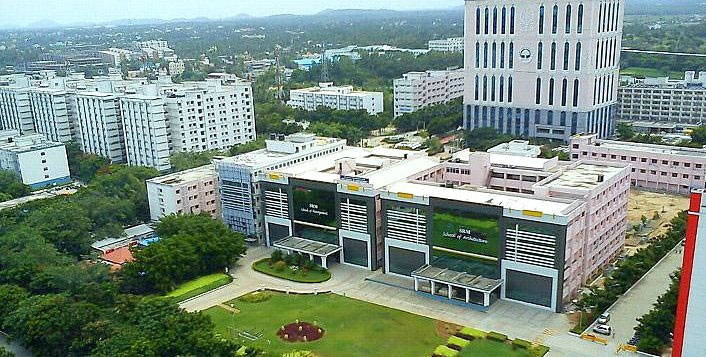
Ph.D. in Aerospace Engineering from SRM University: Eligibility, Entrance Exam, Fee Structure, Admission Process, Subjects, Research Areas, Syllabus, Scholarship & Career Scope
Introduction about Ph.D. in Aerospace Engineering at SRM University
Embarking on a doctoral journey in Aerospace Engineering at SRM University opens doors to cutting?edge research, industry collaborations, and a platform to innovate in the skies and beyond. This program is designed for professionals who aspire to push the boundaries of flight dynamics, propulsion systems, and space technology, while contributing to national and global aerospace initiatives.
Eligibility Criteria for Ph.D. in Aerospace Engineering at SRM University
Prospective candidates must satisfy the following baseline requirements:
- Hold a Master?s degree (M.Tech/M.Sc.) in Aerospace Engineering, Mechanical Engineering, or a closely related discipline with a minimum of 55% aggregate (or CGPA 6.0 on a 10?point scale).
- Qualified GATE (Aerospace) or JEST scores are preferred, though SRM University also accepts valid scores from national level exams such as UGC?NET.
- For international applicants, a recognized equivalent degree with comparable academic standing.
- Demonstrated research aptitude through publications, project work, or professional experience in the aerospace sector.
Entrance Exam for Ph.D. in Aerospace Engineering at SRM University
SRM University conducts its own Ph.D. entrance examination to assess analytical skills, research potential, and subject knowledge. The exam comprises:
- Paper?I (Written Test): 60 multiple?choice questions covering fundamentals of aerodynamics, flight mechanics, propulsion, and material science.
- Paper?II (Viva?Voce): An interview with faculty members to evaluate the candidate?s research proposal, motivation, and communication skills.
Applicants with qualifying GATE or UGC?NET scores are exempted from Paper?I but must attend the Viva?Voce.
Fee Structure for Ph.D. in Aerospace Engineering at SRM University
| Component | Annual Fee (INR) | Notes |
|---|---|---|
| Tuition & Examination Fees | 95,000 | Payable in two installments |
| Laboratory & Facility Charges | 30,000 | Includes wind?tunnel access, CFD labs |
| Library & Resource Fees | 10,000 | Digital & print resources |
| Miscellaneous (Sports, Health) | 5,000 | Campus?wide services |
| Total Approx. | 1,40,000 | Subject to yearly revision |
Admission Process for Ph.D. in Aerospace Engineering at SRM University
The admission journey is streamlined into five clear steps:
- Online Application: Fill the web?based form and upload academic transcripts, GATE/NET scores, and a research proposal.
- Document Verification: The university?s admission office validates certificates and eligibility.
- Entrance Examination: Eligible candidates appear for the written test or are considered exempt based on qualifying scores.
- Interview & Proposal Review: A panel of senior faculty assesses the research proposal and conducts the viva?voce.
- Final Offer & Admission: Successful candidates receive an admission letter and can complete fee payment to secure their seat.
Ph.D. Subjects and Specializations in Aerospace Engineering at SRM University
Students may tailor their research to one of the following cutting?edge domains:
- Advanced Aerodynamics and Flow Control
- Propulsion Systems and Hybrid Engines
- Spacecraft Dynamics and Orbital Mechanics
- Unmanned Aerial Vehicles (UAV) and Drone Technology
- Composite Materials and Structural Health Monitoring
- Air Traffic Management and Navigation Systems
Research Areas in Aerospace Engineering at SRM University
SRM University?s state?of?the?art research facilities enable exploration in:
- Hypersonic Flight and Re?entry Physics
- Electric Propulsion for Satellite Maneuvering
- Noise Reduction and Emission Control in Commercial Aircraft
- Artificial Intelligence for Autonomous Flight Systems
- High?Temperature Materials for Scramjet Engines
- Space Debris Tracking and Mitigation Strategies
Documents Required for Ph.D. in Aerospace Engineering at SRM University
| Document | Requirement |
|---|---|
| Academic Transcripts & Mark Sheets | Original + PDF copy |
| GATE/NET Scorecard (if applicable) | Valid for the current admission year |
| Research Proposal (5?8 pages) | Clear objectives, methodology, and expected outcomes |
| Curriculum Vitae (CV) | Professional experience and publications |
| Two Academic Recommendation Letters | From professors or industry mentors |
| Passport?Size Photographs | Three recent color photos |
SRM University Ph.D. Syllabus for Aerospace Engineering
The doctoral syllabus is research?oriented and includes the following core modules:
- Advanced Fluid Mechanics and Turbulence Modeling
- Computational Aerodynamics (CFD) and Simulation Techniques
- Modern Propulsion Technologies
- Spacecraft Design and Mission Planning
- Materials for Aerospace Structures
- Control Systems and Flight Dynamics
- Research Methodology & Academic Writing
Each module is complemented by seminars, workshops, and hands?on laboratory sessions, ensuring a holistic learning experience.
How To Apply for Ph.D. in Aerospace Engineering at SRM University
Follow these steps to submit a successful application:
- Visit the official SRM University admissions portal.
- Create an account and select ?Ph.D. ? Aerospace Engineering?.
- Upload all required documents (see ?Documents Required? section).
- Enter your research proposal details and select a preferred faculty guide.
- Pay the non?refundable application fee of INR 2,000.
- Submit the form and monitor your email for examination and interview schedules.
Career Scope and Job Opportunities After Ph.D. in Aerospace Engineering from SRM University
A doctorate from SRM University equips graduates for elite positions in:
- Research & Development (R&D) divisions of aerospace giants such as HAL, ISRO, Boeing, and Airbus.
- Academic roles ? Assistant Professor, Lecturer, or Post?Doctoral Fellow.
- Government agencies focusing on defense aviation, satellite missions, and space exploration.
- Start?ups developing UAVs, electric propulsion, and AI?driven flight control systems.
- Consultancy firms providing expertise in aerodynamic analysis, certification, and safety audits.
Graduates often command salaries ranging from INR 12?20?Lakhs per annum in industry, with higher earnings in leadership or specialized research roles.
Scholarship for Ph.D. in Aerospace Engineering at SRM University
SRM University offers merit?based scholarships and financial assistance to outstanding candidates:
- SRM Merit Scholarship: Up to 50% tuition waiver for candidates with CGPA ? 8.5.
- Research Assistantship (RA): Stipends of INR 15,000?20,000 per month linked to project work.
- External Fellowships: Opportunities to apply for CSIR, DRDO, and DRVY scholarships.
Applicants are encouraged to explore the Editing and Proofreading Services for polishing their scholarship applications, as well as the PhD Topic Selection and Proposal Assistance to strengthen research proposals.
FAQs Regarding Ph.D. in Aerospace Engineering at SRM University
- Q1: Can I pursue the Ph.D. part?time while working?
- Yes. SRM University offers a flexible part?time mode for professionals, with evening lectures and weekend lab access.
- Q2: Is there a provision for collaborative research with overseas universities?
- SRM has MoUs with several international institutions, allowing joint publications, exchange programs, and co?supervision.
- Q3: What is the average duration of the Ph.D. program?
- Typically 3?4 years, contingent on research progress and publication requirements.
- Q4: Are there any industry?sponsored projects?
- Yes. Partnerships with HAL, ISRO, and private aerospace firms provide funded project opportunities.
- Q5: How many publications are required for thesis submission?
- The university mandates at least two peer?reviewed journal papers or conference proceedings before the final viva.
For personalized guidance throughout your doctoral journey, consider availing PhD Admission Assistance, <a




