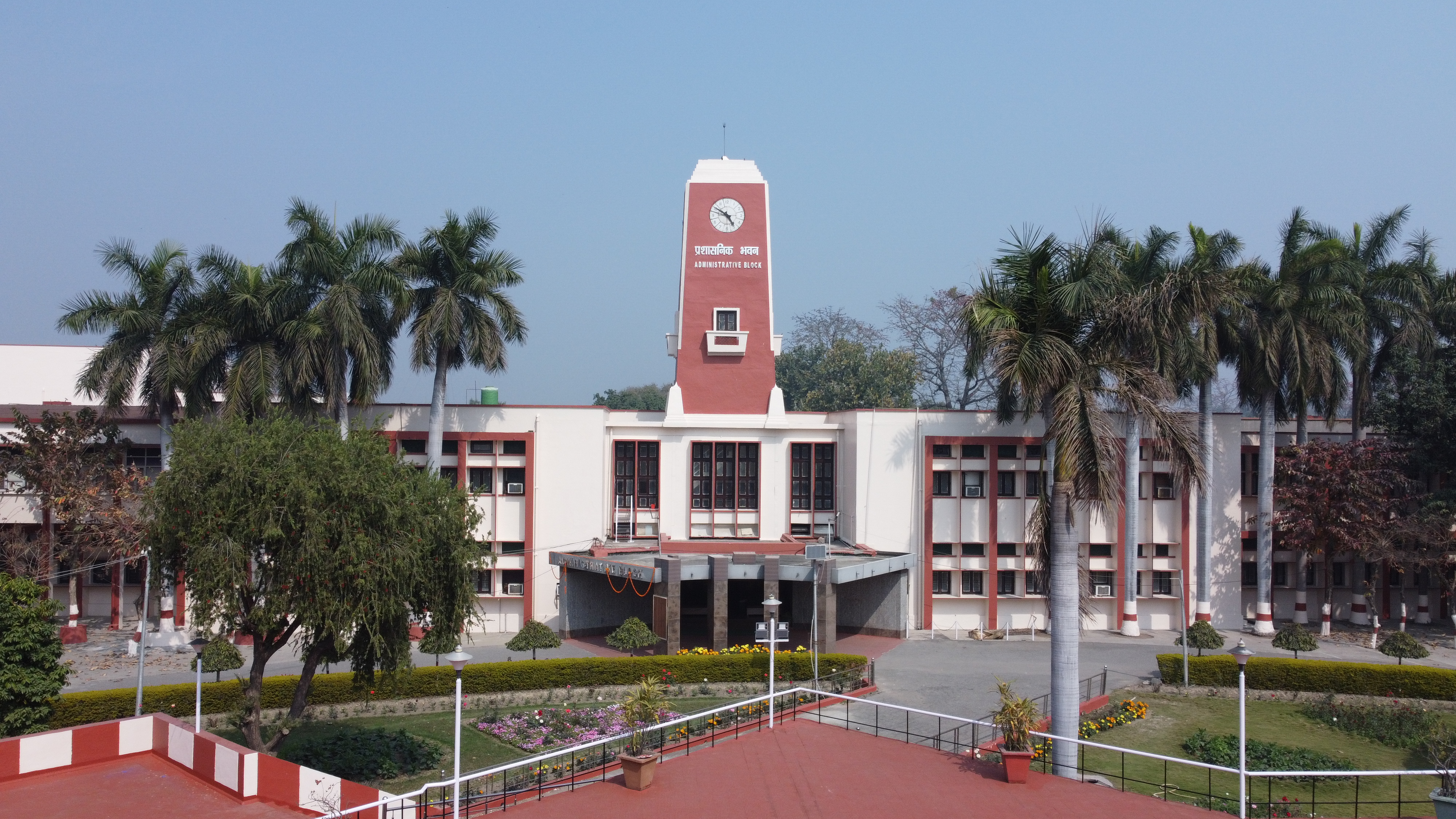
Ph.D. in Agricultural Economics from G.B. Pant University: Eligibility, Entrance Exam, Fee Structure, Admission Process, Subjects, Research Areas, Syllabus, Scholarship & Career Scope
Introduction about Ph.D. in Agricultural Economics at G.B. Pant University
The Doctor of Philosophy (Ph.D.) in Agricultural Economics at G.B. Pant University is a distinguished research programme designed for seasoned professionals who aspire to influence policy, drive sustainable development, and pioneer innovative solutions in the agrifood sector. Leveraging the university’s legacy of agricultural excellence, the programme blends rigorous quantitative methods, interdisciplinary perspectives, and real‑world applications, empowering scholars to address pressing challenges such as food security, climate‑smart agriculture, and rural livelihoods.
Eligibility Criteria for Ph.D. in Agricultural Economics at G.B. Pant University
- Master’s degree (M.Sc., M.A., M.Phil., MBA, or equivalent) in Agricultural Economics, Agribusiness, Development Studies, or a related discipline with at least 55% aggregate (or equivalent CGPA).
- Candidates with a Bachelor’s degree (B.Sc./B.A.) of minimum 55% may apply if they have cleared the UGC‑NET or CSIR‑NET exam.
- Valid GATE/UGC‑NET/CSIR‑NET scores are preferred for exemption from the university entrance test.
- Candidates must possess a strong foundation in quantitative analysis, micro‑economics, and econometrics.
- Age limit: No upper age restriction, but candidates should demonstrate research aptitude and professional commitment.
Entrance Exam for Ph.D. in Agricultural Economics at G.B. Pant University
The university conducts a written entrance examination covering:
- Micro‑ and macro‑economics
- Advanced econometrics and statistical methods
- Agri‑policy and rural development
- Research methodology and data analysis techniques
- General aptitude (verbal and logical reasoning)
Qualifying candidates are invited for a personal interview and presentation of a research proposal. Applicants with a valid NET or GATE score are exempted from the written test but must still attend the interview.
Fee Structure for Ph.D. in Agricultural Economics at G.B. Pant University
| Component | Annual Fee (INR) | Notes |
|---|---|---|
| Tuition & Examination Fee | 30,000 | Inclusive of labs, libraries, and e‑resources. |
| Research & Project Grant | 45,000 | Allocated for fieldwork, data collection, and software licences. |
| Semester Registration & Miscellaneous | 12,000 | Covers campus facilities, student welfare, and incidentals. |
| Total Approx. Annual Cost | 87,000 | Subject to revision each academic year. |
Scholarships, teaching assistantships, and research grants can substantially offset these costs for eligible candidates.
Admission Process for Ph.D. in Agricultural Economics at G.B. Pant University
- Online Application: Submit the application form through the university portal along with scanned copies of academic certificates, a detailed CV, and a research proposal (max 1500 words).
- Entrance Examination: Appear for the university‑conducted test (or submit NET/GATE scores for exemption).
- Interview: Qualified candidates are called for a personal interview and presentation of their research proposal.
- Document Verification: Upon successful interview, candidates must present original documents for verification.
- Admission Offer: An official admission letter is issued, followed by fee payment through the university’s online gateway.
Ph.D. Subjects and Specializations in Agricultural Economics at G.B. Pant University
The programme offers a flexible curriculum that allows Ph.D. scholars to specialize in one or more of the following areas:
- Rural Development and Poverty Alleviation
- Agri‑Business Management and Marketing
- Environmental Economics and Climate‑Smart Agriculture
- Policy Analysis and Agrifood Governance
- Quantitative Modelling and Econometrics
- International Trade & Food Security
Research Areas in Agricultural Economics at G.B. Pant University
Faculty members are actively engaged in cutting‑edge research across a spectrum of themes. Prospective Ph.D. candidates can explore:
- Impact assessment of government subsidies on smallholder productivity.
- Supply‑chain resilience for perishable commodities.
- Economics of precision agriculture and digital farming platforms.
- Climate‑induced risk modelling for crop yield variability.
- Socio‑economic determinants of farmer adoption of sustainable practices.
- Evaluation of public‑private partnerships in agribusiness financing.
Documents Required for Ph.D. in Agricultural Economics at G.B. Pant University
| Document | Details |
|---|---|
| Academic Transcripts | Original mark sheets and certificates for all qualifying degrees. |
| Entrance Exam Scorecard | NET/GATE scorecard or university entrance test result. |
| Research Proposal | 1500‑word proposal outlining objectives, methodology, and expected outcomes. |
| Curriculum Vitae (CV) | Professional experience, publications, and relevant projects. |
| Identity Proof | Aadhar card / Passport (valid). |
| Photographs | Two recent passport‑size photographs. |
G.B. Pant University Ph.D. Syllabus for Agricultural Economics
The syllabus is modular, combining compulsory core courses with elective specializations and a substantial research component.
- Core Modules (30 Credits): Advanced Micro‑Economics, Econometric Methods, Research Design, Agricultural Policy Analysis.
- Elective Modules (24 Credits): Choose from Climate‑Smart Agriculture, Agribusiness Finance, Rural Development Planning, International Trade, Food Security Modelling.
- Research Thesis (60 Credits): Original research under the guidance of a faculty supervisor, culminating in a publishable dissertation.
How To Apply for Ph.D. in Agricultural Economics at G.B. Pant University
Follow these concise steps to submit a successful application:
- Visit the official university website and navigate to the Admissions – Ph.D. section.
- Register using your email address to obtain a unique application ID.
- Complete the online application form, upload scanned copies of required documents, and pay the non‑refundable application fee of INR 2,500.
- Schedule the entrance examination (if applicable) and upload your NET/GATE scorecard for exemption.
- After the selection results are announced, accept the admission offer and remit the first-year tuition fee through the secure portal.
Career Scope and Job Opportunities After Ph.D. in Agricultural Economics from G.B. Pant University
Graduates enjoy a broad spectrum of high‑impact career paths:
- Academia & Research: Lecturer, Assistant Professor, Research Fellow at national and international universities or think‑tanks.
- Policy & Advisory Roles: Senior analyst or policy advisor in ministries (Agriculture, Rural Development), UN agencies, and NGOs.
- Private Sector & Consulting: Economist or strategic consultant for agribusiness firms, multinational corporations, and market research agencies.
- International Organizations: Positions with the World Bank, FAO, IFAD focusing on food security and sustainable agriculture.
- Entrepreneurship: Founder of agri‑tech startups leveraging data analytics and economic modelling.
Scholarship for Ph.D. in Agricultural Economics at G.B. Pant University
The university, in partnership with governmental and private agencies, offers the following financial aids:
- University Merit Scholarship: Full tuition waiver and a monthly stipend of INR 12,000 for top 10% of admitted candidates.
- UGC‑JRF (Junior Research Fellowship): Competitive national award covering stipend, contingency, and travel allowances.
- ISRO/ICAR Sponsored Projects: Project‑based funding for research aligning with national priorities.
- Teaching Assistantship: 20‑hour weekly teaching assignment with a stipend of INR 8,000 per month.
Apply early for these scholarships as they follow a merit‑based selection process tied to academic performance and research proposal quality.
FAQs Regarding Ph.D. in Agricultural Economics at G.B. Pant University
- What is the minimum qualifying score for the entrance exam?
- Applicants must score at least 50% of the total marks. Candidates with a valid NET/GATE score are exempted from the written test.
- Can working professionals enroll part‑time?
- Yes. The university offers a flexible part‑time mode where candidates can complete the programme within 5‑6 years while continuing their employment.
- Is fieldwork mandatory for the thesis?
- Fieldwork is strongly encouraged, especially for topics related to rural livelihoods and climate impact. However, data‑driven or desk‑based research is also accepted.
- How long does it take to complete the Ph.D.?
- The typical duration is 3‑4 years for full‑time students and 5‑6 years for part‑time candidates, subject to satisfactory progress reports.
- Are there any collaborations with industry?
- G.B. Pant University maintains active collaborations with agribusiness firms, NGOs, and international research centres, providing students with exposure to real‑world projects.
For personalized guidance on structuring your research, consider professional support services such as Thesis and Dissertation Writing Services, Research Data Analysis Services, Research Paper Writing Services and <a href="https://shiksharesearch




