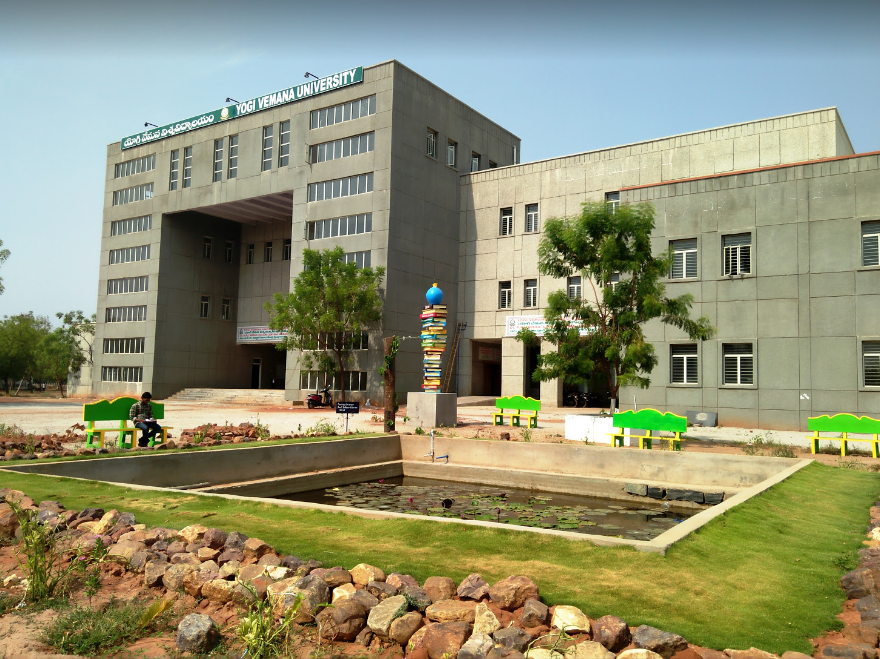
Introduction about Ph.D. in Archaeology at Yogi Vemana University
Embarking on a Ph.D. in Archaeology at Yogi Vemana University (YVU) is more than just an academic pursuit; it is a profound journey into the heart of human civilization. Located in Kadapa, Andhra Pradesh, a region steeped in historical significance, the university offers an inspiring environment for researchers to unearth the hidden narratives of the past. As a professional looking to transition into high-level research or academia, this program provides the rigorous training and analytical tools necessary to decode ancient artifacts, scripts, and structures. The Department of History and Archaeology at YVU is renowned for its dedication to preserving cultural heritage while fostering innovative scientific methodologies in excavations and heritage management. By choosing YVU, you are aligning yourself with a legacy of excellence and a commitment to understanding the evolution of society through a multidisciplinary lens.
Ph.D Admission 2026-2027 & Writing Support Services by Shiksha Research
This doctoral program is designed for visionary scholars who are eager to contribute to the global discourse on archaeology. Whether your interest lies in prehistoric settlements, temple architecture, or the nuances of South Indian epigraphy, the university provides a robust platform for intellectual growth. For those navigating the complexities of high-level research, seeking expert PhD Admission Assistance can be a pivotal step in securing your place in this prestigious institution.
Eligibility Criteria for Ph.D. in Archaeology at Yogi Vemana University
To maintain a high standard of scholarly output, Yogi Vemana University enforces strict eligibility criteria for its doctoral candidates. Aspiring researchers must meet the following requirements:
- Educational Qualification: Candidates must possess a Master?s degree (M.A. or M.Sc.) in Archaeology, Ancient History, Anthropology, or a closely related discipline from a recognized university.
- Minimum Percentage: A minimum of 55% aggregate marks (or an equivalent grade point average) is required for general category candidates. Professionals from SC/ST/OBC (non-creamy layer) and PwD categories are eligible for a 5% relaxation, requiring a minimum of 50%.
- Exemptions: Candidates who have successfully cleared national-level examinations such as UGC-NET (including JRF), CSIR-NET, SLET, or GATE are often exempted from the entrance test but must participate in the interview process.
- Master of Philosophy: Candidates who have completed their M.Phil. degree with at least 55% marks are also eligible to apply.
Entrance Exam for Ph.D. in Archaeology at Yogi Vemana University
The primary gateway to the program is the APRCET (Andhra Pradesh Research Common Entrance Test). This state-level examination evaluates the candidate's research aptitude and subject-specific knowledge. The exam is typically divided into two parts:
- Part A: Section on Teaching and Research Aptitude, testing logical reasoning, data interpretation, and foundational research ethics.
- Part B: Subject-specific questions focusing on Archeology, covering aspects from Prehistory to Medieval history, Field Archaeology, and Conservation.
Success in this exam reflects a candidate's readiness for the rigorous demands of doctoral study. To ensure your research conceptualization is at its peak before the exam, obtaining PhD Topic Selection and Proposal Assistance can give you a competitive edge during the subsequent interview rounds.
Fee Structure for Ph.D. in Archaeology at Yogi Vemana University
Yogi Vemana University offers an affordable fee structure, ensuring that financial constraints do not hinder deserving scholars. Below is an approximate breakdown of the costs involved:
| Fee Component | Full-Time (Approx. Per Year) | Part-Time (Approx. Per Year) |
|---|---|---|
| Admission/Registration Fee | ?2,500 | ?3,500 |
| Tuition Fee | ?10,000 - ?15,000 | ?15,000 - ?20,000 |
| Library and Lab Fee | ?2,000 | ?2,000 |
| Thesis Submission Fee (One-time) | ?5,000 | ?5,000 |
Note: The fee structure is subject to change based on university notifications. Candidates are advised to check the official YVU website for the most recent updates.
Admission Process for Ph.D. in Archaeology at Yogi Vemana University
The admission process is transparent and merit-based, following the guidelines set by the University Grants Commission (UGC). The phases include:
- Application Notification: YVU releases an official notification for APRCET/Research admissions.
- The Entrance Test: Eligible candidates sit for the APRCET.
- The Interview/Viva-Voce: Shortlisted candidates from the entrance exam or those with direct eligibility (NET/JRF) are called for an interview. Candidates must present their research interest and tentative proposal.
- Final Selection: A merit list is prepared combining entrance scores and interview performance.
- Coursework Enrollment: Once admitted, candidates must undergo a mandatory six-month coursework period before their registration is confirmed.
Ph.D. Subjects and Specializations in Archaeology at Yogi Vemana University
The Ph.D. program allows for deep specialization in various niches of archaeological science. Scholars can tailor their research to align with their professional aspirations. Key areas of focus include:
- Pre-Historic and Proto-Historic Archaeology: Studying the origins of human culture.
- Epigraphy and Palaeography: Deciphering ancient inscriptions and scripts.
- Numismatics: The study and analysis of ancient coinage and economic systems.
- Temple Architecture and Iconography: Focusing on the structural and spiritual heritage of South India.
- Maritime Archaeology: Investigating ancient trade routes and submerged sites.
- Field Archaeology: Mastering excavation techniques and stratigraphic analysis.
Research Areas in Archaeology at Yogi Vemana University
YVU encourages interdisciplinary research that connects the past with contemporary challenges. Current research priorities within the department include:
- Cultural Landscape Studies: Understanding the relationship between ancient communities and their environment.
- Material Culture: Scientific analysis of ceramic, lithic, and metal artifacts.
- Heritage Management and Conservation: Developing sustainable methods to protect archaeological sites.
- Ethno-archaeology: Using modern tribal and rural practices to infer ancient lifestyle patterns.
As you delve into these complex topics, ensuring your findings reach the global academic community is essential. Utilizing professional Research Publication Support can significantly enhance the visibility and impact of your work.
Documents Required for Ph.D. in Archaeology at Yogi Vemana University
Applicants must ensure they have the following documents ready for the admission and verification process:
- Post-Graduation Marks Sheets and Degree Certificate.
- Undergraduate Degree Certificate.
- SSC/HSC Certificates (for age verification).
- APRCET Scorecard and Hall Ticket.
- UGC-NET/JRF/SLET Certificates (if applicable).
- Caste/Category Certificate (if claiming reservation).
- No Objection Certificate (NOC) from the employer (for part-time candidates).
- Migration and Transfer Certificates.
- A detailed Research Proposal (Synopsis).
Yogi Vemana University Ph.D. Syllabus for Archaeology
The Ph.D. journey starts with mandatory coursework designed to build a strong foundation. The syllabus is generally divided into two major papers:
- Paper I: Research Methodology: This covers qualitative and quantitative research techniques, data collection methods, use of technology in archaeology (GIS/Remote Sensing), and research ethics.
- Paper II: Advanced Archaeology: Depth-study of specific periods (Stone Age, Bronze Age, Iron Age), Indian history through archaeological evidence, and the philosophy of history.
Once the coursework is cleared, the scholar shifts focus to independent research and thesis writing. Throughout this phase, maintaining academic integrity is paramount, making professional Editing and Proofreading Services an invaluable resource for the final draft of your thesis.
How To Apply for Ph.D. in Archaeology at Yogi Vemana University
Applying to YVU involves a systematic approach:
- Online Portal: Visit the official APRCET or Yogi Vemana University website during the admission window.
- Registration: Complete the registration form with accurate personal and academic details.
- Upload Documents: Upload scanned copies of the required documents in the prescribed format.
- Fee Payment: Pay the application fee through the online payment gateway.
- Prepare for Exam: Download the hall ticket and appear for the entrance test.
- Submit Proposal: After clearing the test, submit your research synopsis to the department for the viva-voce.
Career Scope and Job Opportunities After Ph.D. in Archaeology from Yogi Vemana University
A Ph.D. from YVU opens diverse career paths for professionals committed to the field of heritage. The career scope includes:
- Academia: Becoming a Professor or Lecturer in prestigious universities worldwide.
- Archaeological Survey of India (ASI): Roles such as Deputy Superintending Archaeologist or Conservator.
- Museum Curatorship: Managing and preserving national and international museum collections.
- Heritage Consultant: Advising government and private firms on heritage impact assessments for infrastructure projects.
- Author and Researcher: Publishing groundbreaking work on ancient civilizations.
- Cultural Resource Management (CRM): Leading projects that balance development with historical preservation.
Innovation in archaeology often leads to the development of new conservation tools or software. In such cases, scholars should seek Patent Filing and Support Services to protect their intellectual property. Furthermore, for those who have achieved significant lifetime contributions, exploring Honorary Doctorate Programs is an excellent way to gain recognition for extensive professional expertise.
Scholarship for Ph.D. in Archaeology at Yogi Vemana University
YVU facilitates several financial aids to support its researchers:
- UGC Fellowship: Candidates with JRF receive a monthly stipend and contingency grants.
- State Fellowships: Scholarships provided by the Government of Andhra Pradesh for merit-cum-means students.
- Project Fellowships: Scholars can work as Research Assistants in funded projects led by university faculty.
- University Research Fellowships: Limited stipends provided by the university based on academic performance.
FAQs Regarding Ph.D. in Archaeology at Yogi Vemana University
Q1: Can I pursue Ph.D. in Archaeology while working?
A: Yes, Yogi Vemana University offers part-time Ph.D. programs for working professionals, provided they submit an NOC from their employer and meet the residency requirements.
Q2: What is the duration of the Ph.D. program?
A: The minimum duration is 3 years (including coursework), and the maximum is usually 6 years. Relaxations are available for women and PwD candidates.
Q3: How important is the research proposal during the interview?
A: It is critical. It demonstrates your clarity of thought, the feasibility of your research, and your familiarity with existing literature in archaeology.
Q4: Does YVU provide field training for archaeology students?
A: Yes, the university frequently engages in excavations and field trips, offering hands-on experience to doctoral candidates.
Q5: Can I apply if my PG is in Ancient History?
A: Yes, Ancient History is considered an allied subject for the Ph.D. in Archaeology at YVU.




