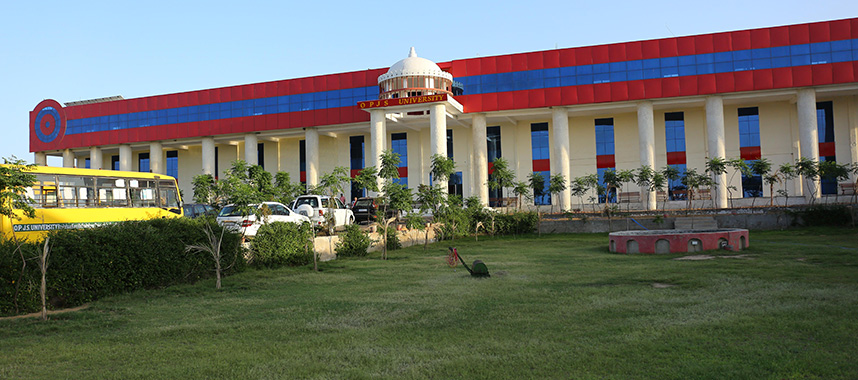
Introduction about Ph.D. in Architecture at OPJS University
Pursuing a Ph.D. in Architecture at OPJS University empowers seasoned professionals to transform the built environment through rigorous research, innovative design thinking, and cutting‑edge technology. The program blends theoretical foundations with practical applications, enabling scholars to influence urban planning, sustainable construction, and heritage conservation worldwide. Embark on a scholarly journey that not only sharpens your expertise but also positions you as a thought leader in a rapidly evolving discipline.
Ph.D Admission 2026-2027 & Writing Support Services by Shiksha Research
Eligibility Criteria for Ph.D. in Architecture at OPJS University
- Master’s degree in Architecture, Urban Planning, Landscape Architecture, or a closely related field with a minimum aggregate of 55% (or equivalent CGPA).
- For candidates with a B.Arch, a minimum of 5 years of professional experience is mandatory.
- Valid GATE/UGC‑NET score (optional but preferred) or clear the university‑conducted entrance test.
- English language proficiency – minimum TOEFL 80 or IELTS 6.0 for international applicants.
Entrance Exam for Ph.D. in Architecture at OPJS University
The university conducts a comprehensive written test followed by a personal interview. The written component evaluates:
- Research methodology and quantitative analysis.
- Advanced architectural theory and design concepts.
- Critical appraisal of contemporary case studies.
Selected candidates are invited for an interview where they present a research proposal and discuss their academic and professional achievements.
Fee Structure for Ph.D. in Architecture at OPJS University
| Component | Amount (INR) | Remarks |
|---|---|---|
| Application & Registration Fee | 2,500 | One‑time, non‑refundable |
| Annual Tuition Fee | 45,000 | Payable at the start of each academic year |
| Laboratory & Studio Charges | 10,000 | Includes access to digital fabrication labs |
| Thesis Submission Fee | 5,000 | Payable upon final submission |
| Total Approximate Cost (3‑Year Program) | 1,72,500 | Excluding scholarships and waivers |
Admission Process for Ph.D. in Architecture at OPJS University
- Complete the online application form on the university portal.
- Upload scanned copies of academic transcripts, degree certificates, resume, and a research proposal (max 1500 words).
- Pay the non‑refundable application fee.
- Schedule and appear for the entrance examination.
- Participate in the personal interview (conducted via Zoom or on‑campus).
- Receive the admission offer letter and submit the acceptance along with required documents.
- Enroll for the first semester and begin coursework.
Ph.D. Subjects and Specializations in Architecture at OPJS University
- Urban Design & Sustainable Cities
- Advanced Building Technologies
- Heritage Conservation & Adaptive Reuse
- Environmental Planning & Climate‑Responsive Architecture
- Digital Fabrication & Computational Design
- Health‑Centric Built Environments
Research Areas in Architecture at OPJS University
Faculty mentors guide scholars across diverse research domains, including:
- Smart Cities and IoT integration in architectural systems.
- Zero‑energy building design and renewable material usage.
- Socio‑cultural impacts of urban regeneration.
- Parametric modelling and AI‑driven design processes.
- Disaster‑resilient infrastructure planning.
For assistance with research methodology, students often turn to professional support such as Research Data Analysis Services to ensure robust statistical validation.
Documents Required for Ph.D. in Architecture at OPJS University
| Document | Format | Notes |
|---|---|---|
| Application Form (online) | PDF/Word | Signed electronically |
| Academic Transcripts & Degree Certificates | Scanned PDF | Original & attested copies |
| Curriculum Vitae | Include publications, projects, and conferences | |
| Research Proposal | Maximum 1500 words, with objectives and methodology | |
| Proof of English Proficiency | TOEFL/IELTS score report (if applicable) | |
| GATE/UGC‑NET Scorecard (optional) | Enhances eligibility but not mandatory |
Applicants seeking help with drafting or polishing their proposals may benefit from expert assistance such as Thesis and Dissertation Writing Services.
OPJS University Ph.D. Syllabus for Architecture
The curriculum is structured over three years, encompassing coursework, comprehensive exams, and dissertation research.
- Year 1 – Core Modules
- Research Methodology & Design Thinking
- Advanced Theories in Architecture
- Statistical Tools for Architectural Research
- Ethics & Professional Practice
- Year 2 – Specialization Courses
- Elective based on chosen specialization (e.g., Sustainable Materials)
- Seminar Series – Guest Lectures by Industry Leaders
- Comprehensive Examination
- Year 3 – Dissertation Phase
- Proposal Submission & Review
- Data Collection & Analysis (support from Research Paper Writing Services available on demand)
- Thesis Writing, Submission & Defense
How To Apply for Ph.D. in Architecture at OPJS University
Follow these streamlined steps:
- Visit the official OPJS University Architecture Ph.D. portal and register a new account.
- Fill in personal, academic, and professional details.
- Upload all required documents (refer to the Documents Required table).
- Pay the Rs. 2,500 application fee via Netbanking, credit card, or UPI.
- Submit the application and note the generated application number.
- Keep track of examination dates and interview schedules through the student dashboard.
Career Scope and Job Opportunities After Ph.D. in Architecture from OPJS University
Graduates are equipped for high‑impact roles such as:
- Senior Research Scientist – Government research labs, CSIR, IITs.
- Professor / Associate Professor – Leading architecture schools worldwide.
- Chief Design Strategist – Multinational architectural firms and consultancies.
- Urban Policy Analyst – Municipal corporations, UN‑Habitat, World Bank.
- Author & Thought Leader – Publishing seminal books, journals, and whitepapers.
The interdisciplinary nature of the program also opens avenues in sustainability consultancy, smart‑city planning, and heritage management.
Scholarship for Ph.D. in Architecture at OPJS University
OPJS University offers merit‑based scholarships covering up to 50% of tuition fees for candidates with:
- ≥ 75% academic score in their master’s degree.
- National level entrance exam rank (GATE/UGC‑NET).
- Published research papers in indexed journals.
Additionally, research assistantships are available, providing a monthly stipend and waiver of laboratory charges. Prospective scholars can also seek external funding through bodies like the Indian Council of Social Science Research (ICSSR) or the Ministry of Education.
FAQs Regarding Ph.D. in Architecture at OPJS University
- Q: Can a B.Arch graduate directly enroll in the Ph.D. program?
- A: Yes, provided they have at least five years of relevant professional experience and meet the minimum aggregate requirement.
- Q: Is there an option for a part‑time Ph.D.?
- A: OPJS University offers a flexible part‑time mode for working professionals, extending the program duration to five years.
- Q: How long does the admission process take?
- A: Typically 6‑8 weeks from application submission to receipt of the admission offer, assuming all documents are provided promptly.
- Q: Are there any collaborations with international universities?
- A: Yes, OPJS University has MoUs with several overseas institutions, enabling joint‑research projects and faculty exchanges.
- Q: What support is available for dissertation writing?
- A: The university’s research cell offers workshops, and students may also utilise external expertise such as Questionnaire Design and Development services for data collection instruments.




