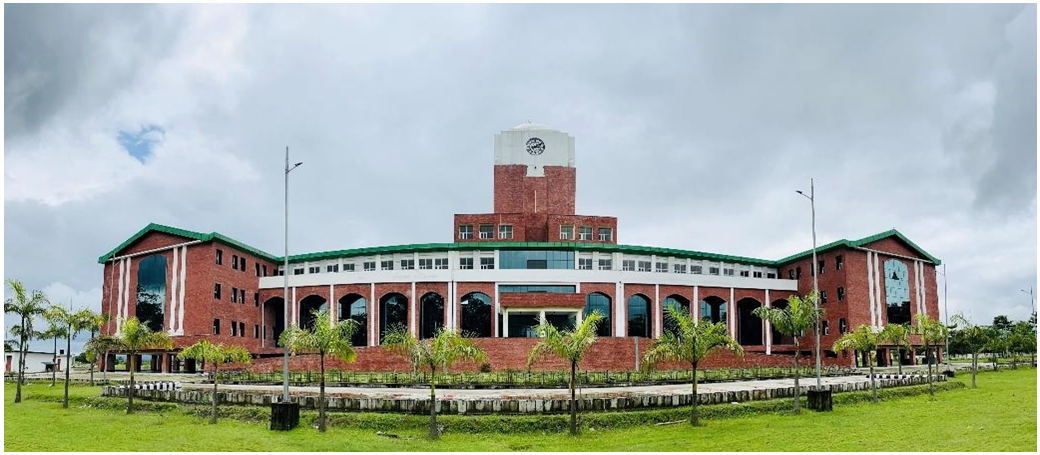
Introduction about Ph.D. in Biochemistry at Indian Agricultural Research Institute
Embarking on a doctoral journey in Biochemistry at the Indian Agricultural Research Institute (IARI) is more than an academic pursuit—it is a commitment to advancing agricultural science through molecular insights. IARI, a premier institute recognized globally for its research excellence, offers a stimulating environment where curiosity meets cutting‑edge technology, empowering professionals to become leaders in the realm of plant biochemistry, metabolic engineering, and food security.
Eligibility Criteria for Ph.D. in Biochemistry at Indian Agricultural Research Institute
- Master’s degree (M.Sc./M.Tech) in Biochemistry, Biotechnology, Molecular Biology, or a closely related discipline with a minimum of 55% aggregate (or equivalent CGPA of 6.0/10).
- Candidates with a Bachelor’s degree (B.Sc.) who have qualified the IARI National Eligibility Test (NET) or any other UGC‑recognized eligibility test are also considered.
- Age limit: No upper age restriction; however, candidates should be physically fit to undertake laboratory work.
- Proficiency in English (minimum IELTS 6.0 or equivalent) for international candidates.
Entrance Exam for Ph.D. in Biochemistry at Indian Agricultural Research Institute
IARI conducts its own written test and interview for Ph.D. admissions. The entrance exam evaluates:
- Fundamental concepts of Biochemistry, Molecular Biology, and Plant Physiology.
- Analytical and problem‑solving abilities through data interpretation and experimental design questions.
- Research aptitude assessed during the personal interview, focusing on the candidate’s proposed research proposal and prior publications.
Candidates who have already cleared UGC‑NET, CSIR‑JRF, or GATE in relevant subjects are exempted from the written test but must attend the interview.
Fee Structure for Ph.D. in Biochemistry at Indian Agricultural Research Institute
| Category | Annual Fee (INR) | Notes |
|---|---|---|
| General Category | ₹ 28,000 | Includes tuition, library, and lab usage charges. |
| SC/ST/PWD | ₹ 14,000 | Exemptions as per government norms. |
| International Students | ₹ 45,000 | Higher fee due to additional support services. |
| Scholarship/Assistantship Holders | ₹ 0 | Full fee waiver with stipend. |
Admission Process for Ph.D. in Biochemistry at Indian Agricultural Research Institute
- Online Application: Submit the application form via the IARI portal with scanned copies of academic transcripts, research proposal, and identity proof.
- Entrance Examination: Appear for the written test (if applicable) on the scheduled date.
- Interview: Shortlisted candidates are invited for a personal interview with the Departmental Committee.
- Document Verification: Verify original documents at the admissions office.
- Offer Letter: Receive the admission offer, fee payment instructions, and enrollment details.
- Orientation & Registration: Attend the orientation program and register for the semester.
Ph.D. Subjects and Specializations in Biochemistry at Indian Agricultural Research Institute
IARI offers a wide range of research specializations within the Biochemistry program, including but not limited to:
- Plant Metabolic Pathways and Enzyme Engineering
- Protein Structure–Function Relationships
- Crop Biofortification and Nutraceuticals
- Stress Physiology and Signal Transduction
- Biotechnological Applications in Sustainable Agriculture
Research Areas in Biochemistry at Indian Agricultural Research Institute
The institute’s research agenda aligns with national priorities such as food security, climate‑resilient crops, and sustainable farming practices. Key research themes include:
- Functional genomics of staple crops (rice, wheat, millets).
- Metabolomics and proteomics for trait discovery.
- Enzyme engineering for biofertilizer development.
- Post‑harvest biochemistry to reduce post‑harvest losses.
- Development of bioactive compounds for plant protection.
Documents Required for Ph.D. in Biochemistry at Indian Agricultural Research Institute
| Document | Details |
|---|---|
| Academic Transcripts | Original mark sheets of all higher education qualifications. |
| Research Proposal | 2–3 page proposal outlining objectives, methodology, and expected outcomes. |
| Letter of Recommendation | Two academic references from qualified faculty. |
| Identity Proof | Aadhaar card, passport, or voter ID. |
| NET / GATE / JRF Scorecard | Applicable only if you are seeking exemption from the entrance exam. |
Indian Agricultural Research Institute Ph.D. Syllabus for Biochemistry
The Ph.D. syllabus is structured into three phases: coursework, comprehensive examination, and dissertation research.
- Phase I – Coursework (Year 1): Core modules such as Advanced Enzymology, Molecular Plant Biology, Bioinformatics, and Research Methodology.
- Phase II – Comprehensive Exam (End of Year 2): Written and oral assessments covering the entire coursework.
- Phase III – Dissertation (Years 3‑5): Original research project, periodic progress reviews, and a final thesis defense.
How To Apply for Ph.D. in Biochemistry at Indian Agricultural Research Institute
Follow these steps to submit a successful application:
- Visit the official IARI admissions portal and create a user account.
- Fill in personal, academic, and research details accurately.
- Upload scanned copies of the required documents (see the Documents Required section).
- Pay the non‑refundable application fee of ₹ 2,000 via online banking or credit card.
- Submit the form and note the application reference number for future correspondence.
- Monitor your email for updates regarding the entrance examination schedule and interview invitation.
Career Scope and Job Opportunities After Ph.D. in Biochemistry from Indian Agricultural Research Institute
A Ph.D. from IARI opens doors to high‑impact roles across academia, industry, and government:
- Assistant/Associate Professor or Principal Investigator at leading universities and research institutes.
- Senior Scientist in agro‑chemical companies focusing on product development and R&D.
- Policy Analyst or Scientific Officer in ministries such as the Ministry of Agriculture & Farmers’ Welfare.
- Entrepreneurial ventures in biotech startups developing bio‑fertilizers, nutraceuticals, or diagnostic kits.
- Consultant for international organizations (FAO, WHO) on food security and sustainable agriculture projects.
Scholarship for Ph.D. in Biochemistry at Indian Agricultural Research Institute
IARI provides a range of financial assistance to deserving candidates:
- ICAR Senior Research Fellowship (SRF): Stipend of ₹ 31,000 per month with a contingency grant for research consumables.
- UGC Junior Research Fellowship (JRF): Covers tuition fees and offers a monthly stipend of ₹ 31,000.
- Institute Merit Scholarships: Awarded based on academic performance and research potential.
- External scholarships from agencies such as CSIR, DST, and foreign universities are also recognized.
FAQs Regarding Ph.D. in Biochemistry at Indian Agricultural Research Institute
- What is the duration of the Ph.D. program?
- The typical duration is 4–5 years, depending on the progress of the research work.
- Can I pursue the Ph.D. part‑time while working?
- IARI primarily offers full‑time Ph.D. programs; however, a limited number of part‑time seats are available for industry professionals with prior approvals.
- Is there a provision for foreign collaborations?
- Yes, IARI has MoUs with several international universities, enabling joint supervision and exchange programs.
- How is the stipend disbursed?
- The stipend is credited monthly directly to the bank account of the scholar after the issuance of the award letter.
- What support is available for publishing research?
- The institute provides access to high‑impact journals, conference travel grants, and dedicated editorial assistance.
For additional academic assistance, explore our specialized services: Thesis and Dissertation Writing Services, Research Data Analysis Services, Research Paper Writing Services, and Questionnaire Design and Development.




