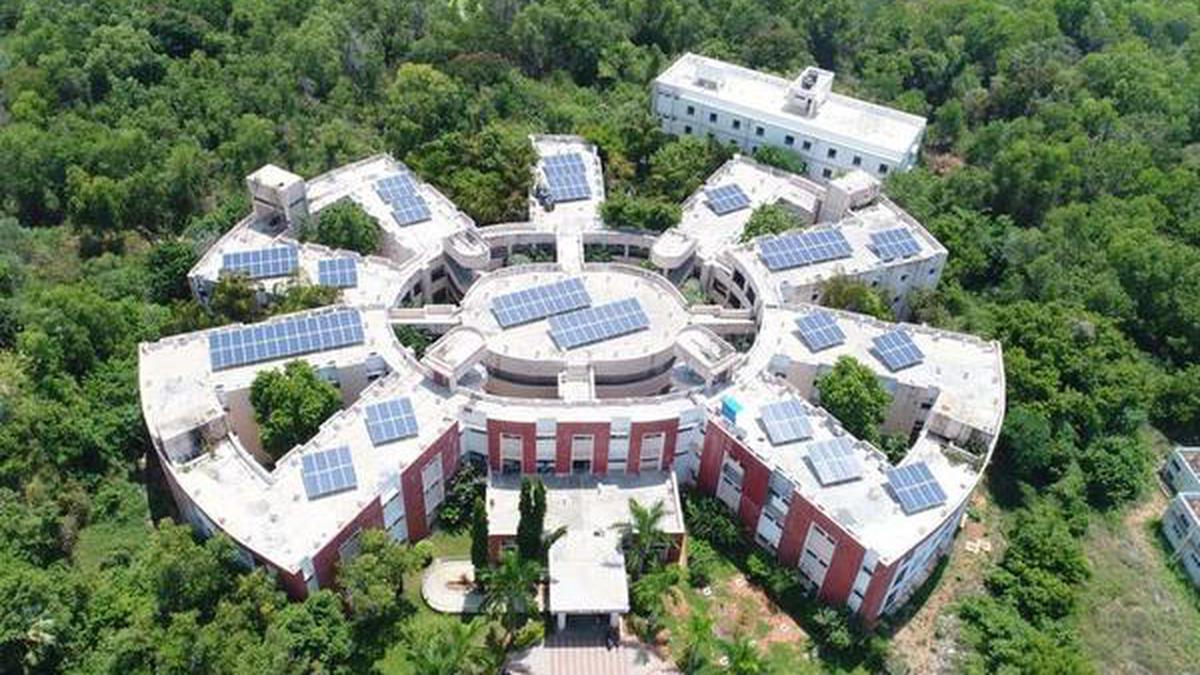
Introduction about Ph.D. in Biochemistry at Pondicherry University
Pondicherry University, a premier Central University situated in the serene coastal city of Puducherry, stands as a beacon of academic excellence and research innovation in India. The Department of Biochemistry and Molecular Biology at Pondicherry University is renowned for its state-of-the-art infrastructure, distinguished faculty, and a vibrant research atmosphere that encourages intellectual growth. Pursuing a Ph.D. in Biochemistry at this institution is not merely an academic endeavor; it is an inspirational journey into the molecular foundations of life. The program is designed to transform enthusiastic scholars into world-class scientists capable of addressing global challenges in health, nutrition, and environmental sustainability. By fostering a culture of rigorous inquiry, Pondicherry University empowers its doctoral candidates to push the boundaries of biological sciences, contributing significantly to the global scientific community. For those aiming to excel in high-impact research, seeking professional Research Publication Support can be a decisive factor in successfully disseminating their findings in top-tier journals.
Ph.D Admission 2026-2027 & Writing Support Services by Shiksha Research
Eligibility Criteria for Ph.D. in Biochemistry at Pondicherry University
To secure admission into the prestigious Ph.D. program in Biochemistry at Pondicherry University, candidates must satisfy rigorous eligibility requirements. Professionals looking to transition back into research or advance their academic standing should note the following:
- Educational Background: A Master?s degree (M.Sc.) in Biochemistry, Molecular Biology, Biotechnology, Life Sciences, or an equivalent discipline from a recognized university.
- Minimum Marks: Candidates must have secured at least 55% marks (or an equivalent grade in a point scale) in their postgraduate degree. A relaxation of 5% is usually provided to candidates belonging to SC/ST/OBC (non-creamy layer)/Differently-abled categories as per UGC guidelines.
- Qualification Exams: While a postgraduate degree is the primary requirement, preference is often given to candidates who have cleared national-level competitive exams such as CSIR-UGC NET, GATE, or ICMR-JRF.
- Experience: Professionals with relevant industrial research experience are often encouraged to apply, provided they meet the academic prerequisites.
Entrance Exam for Ph.D. in Biochemistry at Pondicherry University
Admission to the Ph.D. program is primarily determined through a highly competitive All-India Entrance Examination conducted by Pondicherry University. The entrance exam evaluates the candidate?s depth of knowledge in Biochemistry, analytical reasoning, and research aptitude. The question paper typically consists of multiple-choice questions (MCQs) covering core areas like Metabolism, Enzymology, Molecular Biology, Immunology, and Techniques in Biochemistry. Candidates who have qualified for Junior Research Fellowships (JRF) through national-level exams such as CSIR-NET or UGC-NET are often exempted from the written entrance exam but must participate in the subsequent interview process. Navigating these competitive hurdles can be daunting, which is why many aspirants utilize PhD Admission Assistance to streamline their application and preparation strategy.
Fee Structure for Ph.D. in Biochemistry at Pondicherry University
Pondicherry University offers one of the most affordable high-quality research programs in the country. The fee structure is designed to be accessible while maintaining world-class facilities. Below is an approximate breakdown of the fee components for the Ph.D. program (please note that fees are subject to revision by the university):
| Fee Component | Approximate Amount (General/OBC) | Frequency |
|---|---|---|
| Admission Fee | ? 3,000 | One-time |
| Tuition Fee | ? 10,000 - ? 15,000 | Per Annum |
| Laboratory/Caution Deposit | ? 2,000 - ? 5,000 | One-time (Refundable) |
| Library Fee | ? 1,500 | Per Annum |
| Registration Fee | ? 2,000 | One-time |
| Examination/Thesis Evaluation | ? 5,000 - ? 10,000 | Final Submission |
Admission Process for Ph.D. in Biochemistry at Pondicherry University
The admission journey is a multi-step process ensuring that only the most dedicated and capable candidates are selected. The process includes:
- Application Submission: Candidates must apply online through the university?s official admission portal.
- Entrance Examination: Shortlisted candidates appear for the university-conducted entrance test across various centers in India.
- Shortlisting: Based on the entrance exam scores (and JRF exemptions), a merit list is prepared for the interview phase.
- Personal Interview: This is a crucial stage where candidates discuss their research interests and defend their potential research problem before a departmental committee.
- Merit Calculation: The final selection is based on a weightage system (usually 70% entrance score and 30% interview/academic profile).
To present a compelling case during the interview, expert PhD Topic Selection and Proposal Assistance can provide the necessary edge in articulating a unique and viable research vision.
Ph.D. Subjects and Specializations in Biochemistry at Pondicherry University
The Ph.D. coursework and research at Pondicherry University encompass a broad spectrum of subjects that are at the leading edge of modern science. Research scholars are expected to complete foundational coursework before diving into their specialized areas. Key subjects include:
- Bioanalytical Techniques: Advanced microscopy, chromatography, and spectroscopy.
- Molecular Endocrinology: Studying the biochemical signaling pathways of hormones.
- Clinical Biochemistry: Understanding the molecular basis of human diseases.
- Bioinformatics and Proteomics: Utilizing computational tools to analyze biological data.
- Enzyme Technology: Exploring the industrial and therapeutic applications of enzymes.
Research Areas in Biochemistry at Pondicherry University
Pondicherry University provides an inspirational environment for pursuing diverse and interdisciplinary research. The faculty members are pioneers in several niche areas, allowing students to explore fields such as:
- Cancer Biology: Investigating tumor microenvironments and drug resistance mechanisms.
- Neurobiochemistry: Focusing on neurodegenerative disorders like Alzheimer?s and Parkinson?s.
- Plant Biochemistry: Enhancing nutritional value and stress tolerance in crops using molecular techniques.
- Microbial Biochemistry: Studying secondary metabolites and lipid metabolism in microbes.
- Environmental Toxicology: Assessing the impact of pollutants on biological systems at the molecular level.
Researchers aiming to commercialize their innovative findings should consider Patent Filing and Support Services to protect their intellectual property and maximize the societal impact of their work.
Documents Required for Ph.D. in Biochemistry at Pondicherry University
To ensure a smooth admission process, candidates should keep the following documentation ready:
- SSLC/HSC Mark sheets (Age proof).
- Undergraduate (B.Sc.) and Postgraduate (M.Sc.) Degree Certificates and Consolidated Mark sheets.
- Transfer Certificate and Conduct Certificate from the last attended institution.
- Community Certificate (if applicable).
- Entrance Exam Hall Ticket and Scorecard.
- Research Proposal or Statement of Purpose (SOP).
- Experience Certificate (for working professionals).
- No Objection Certificate (NOC) from the employer (for part-time candidates).
Pondicherry University Ph.D. Syllabus for Biochemistry
The Ph.D. syllabus at Pondicherry University is structured into two main phases: Coursework and Dissertation Research. The coursework generally spans the first two semesters and includes:
- Paper I: Research Methodology: Ethics in research, statistics, scientific writing, and data analysis techniques.
- Paper II: Advanced Biochemistry: In-depth study of cell signaling, genomics, and metabolic regulation.
- Paper III: Elective/Specialization: A subject closely related to the candidate's chosen research area.
- Paper IV: Directed Study: Literature review and presentation of the current state of technology in the specific research field.
Ensuring that the final thesis is polished and follows academic rigors is vital, making professional Editing and Proofreading Services an essential part of the writing phase.
How To Apply for Ph.D. in Biochemistry at Pondicherry University
Following these steps will guide you through the application process smoothly:
- Visit the Portal: Go to the Pondicherry University official website and navigate to the 'Admissions' section.
- Register: Create a login ID and password.
- Fill Details: Complete the personal, academic, and professional details in the online form.
- Upload Documents: Scan and upload your photograph, signature, and necessary certificates.
- Select Course: Choose Ph.D. in Biochemistry from the list of programs.
- Pay Fee: Pay the application fee through the online payment gateway (Net banking/Credit/Debit card).
- Print Confirmation: Save and print the computer-generated confirmation page for future reference.
Career Scope and Job Opportunities After Ph.D. in Biochemistry from Pondicherry University
A Ph.D. from a Central University like Pondicherry University opens doors to elite career paths. Graduates are highly sought after in both domestic and international markets. Potential career avenues include:
- Academia: Assistant Professor or Researcher in top-tier universities and colleges.
- Research & Development (R&D): Leading research teams in pharmaceutical, biotech, and nutraceutical companies.
- Post-Doctoral Fellowships: Pursuing advanced research in prestigious labs across Europe, the USA, and Asia.
- Clinical Research: Working as Clinical Research Associates or Consultants in hospitals and diagnostic labs.
- Public Policy: Scientific advisors to governmental bodies and NGOs regarding health and environment.
For those who have reached the pinnacle of their career through years of outstanding contribution to the field, exploring Honorary Doctorate Programs can be a way to gain global recognition for their lifelong dedication to science.
Scholarship for Ph.D. in Biochemistry at Pondicherry University
Pondicherry University offers several financial aid options to support its research scholars, ensuring they can focus entirely on their scientific inquiries:
- University Fellowships: All full-time Ph.D. scholars who are not receiving any other fellowship are entitled to a monthly university stipend.
- JRF/SRF: Candidates who have cleared NET/JRF are eligible for substantial monthly fellowships from CSIR, UGC, or ICMR.
- Maulana Azad National Fellowship (MANF): For candidates from minority communities.
- RGNF: Rajiv Gandhi National Fellowship for SC/ST candidates.
- Project Fellowships: Scholars may also be funded through active research projects sanctioned to the department faculty by agencies like DBT, DST, or SERB.
FAQs Regarding Ph.D. in Biochemistry at Pondicherry University
1. Can I apply for a Ph.D. in Biochemistry if my Master's is in Biotechnology?
Yes, Pondicherry University accepts candidates with a Master's degree in allied Life Science subjects like Biotechnology, provided they meet the minimum mark requirements and clear the entrance criteria.
2. Is there an age limit for pursuing a Ph.D. at Pondicherry University?
Generally, there is no upper age limit for Ph.D. admissions at Pondicherry University, making it an excellent choice for experienced professionals looking to enter research.
3. Can I pursue Ph.D. in Biochemistry while working?
Pondicherry University does offer part-time Ph.D. programs for internal and external candidates, provided they have sufficient experience and can produce an NOC from their current employer.
4. How long does it take to complete the Ph.D. program?
The standard duration is 3 to 5 years. This includes the time taken for coursework, research experiments, and thesis submission.
5. Is hostel facility available for Ph.D. scholars?
Yes, Pondicherry University provides excellent residential facilities for both male and female research scholars with access to the central library and laboratory facilities 24/7.




