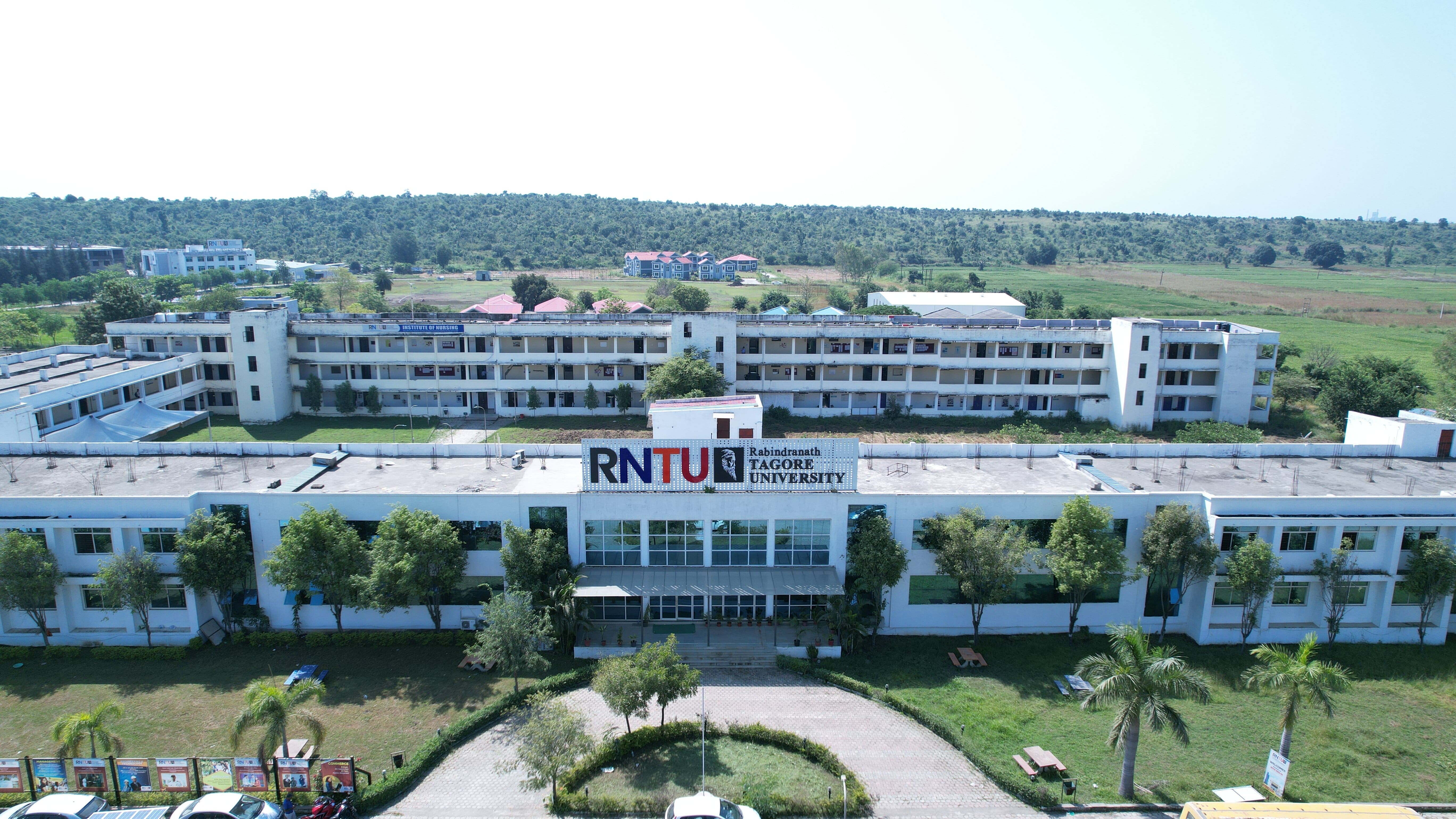
Ph.D. in Biochemistry from Rabindra Bharati University: Eligibility, Admission, Fee, Syllabus & Career
Introduction about Ph.D. in Biochemistry at Rabindra Bharati University
Rabindra Bharati University, a premier institution renowned for its commitment to scientific excellence, offers a Doctor of Philosophy (Ph.D.) program in Biochemistry that empowers professionals to become leaders in biomedical research, drug discovery, and academia. This program blends rigorous coursework with cutting‑edge laboratory investigations, enabling scholars to contribute to transformative discoveries in enzymology, metabolic pathways, protein engineering, and molecular diagnostics. Whether you aim to head a research laboratory, collaborate with industry giants, or pursue a professorial career, the Ph.D. in Biochemistry at Rabindra Bharati University provides the scholarly foundation and mentorship required to turn ambition into impactful reality.
Eligibility Criteria for Ph.D. in Biochemistry at Rabindra Bharati University
- Master’s degree (M.Sc., M.Tech., or equivalent) in Biochemistry, Molecular Biology, Biotechnology, or a closely related discipline with a minimum of 55% aggregate (or CGPA equivalent).
- For candidates holding a Bachelor’s degree (B.Sc.) of at least 4 years, a minimum of 60% aggregate is required.
- Valid GATE/CSIR‑UGC NET score in a related subject or a university‑conducted entrance test.
- Proficiency in English (minimum IELTS 6.0 or TOEFL 80 for international scholars).
- Demonstrated research aptitude through publications, conference presentations, or a strong statement of purpose.
Entrance Exam for Ph.D. in Biochemistry at Rabindra Bharati University
The university conducts a two‑stage selection process. The first stage is a written test covering core topics such as biochemical thermodynamics, enzyme kinetics, molecular genetics, and analytical techniques. The second stage is a personal interview that evaluates research aptitude, analytical thinking, and alignment with faculty interests. Candidates with valid GATE or CSIR‑NET scores are exempted from the written test but must appear for the interview.
Fee Structure for Ph.D. in Biochemistry at Rabindra Bharati University
| Component | Annual Fee (INR) | One‑Time Charges |
|---|---|---|
| Tuition & Laboratory Fees | ₹ 45,000 | — |
| Research Project Grant (mandatory) | ₹ 30,000 | — |
| Library & Digital Resources | ₹ 5,000 | — |
| Examination & Evaluation Fees | ₹ 7,000 | — |
| Admission Processing Fee | — | ₹ 3,500 |
| Security Deposit (refundable) | — | ₹ 10,000 |
Admission Process for Ph.D. in Biochemistry at Rabindra Bharati University
- Online application submission through the university portal.
- Upload scanned copies of academic transcripts, GATE/NET scorecard, and a detailed research proposal.
- Pay the non‑refundable processing fee.
- Appear for the written entrance test (unless exempted) followed by the interview.
- Provisional admission granted based on merit; final admission confirmed after document verification.
Ph.D. Subjects and Specializations in Biochemistry at Rabindra Bharati University
The program offers flexible specializations allowing scholars to tailor their research trajectory. Key specializations include:
- Enzyme Engineering & Catalysis
- Structural Biology & Protein Design
- Metabolomics & Systems Biochemistry
- Clinical Biochemistry & Biomarker Discovery
- Plant Biochemistry & Phytochemical Research
Research Areas in Biochemistry at Rabindra Bharati University
Faculty members lead internationally recognized labs focusing on:
- Protein–protein interaction networks and drug target validation.
- CRISPR‑based gene editing for metabolic pathway optimization.
- Nanobiotechnology for targeted drug delivery.
- High‑throughput proteomics and quantitative mass spectrometry.
- Environmental biochemistry – bioremediation and pollutant degradation.
Documents Required for Ph.D. in Biochemistry at Rabindra Bharati University
| Document | Format | Remarks |
|---|---|---|
| Academic Transcripts (10th to Post‑Graduate) | PDF (max 2 MB) | Certified copies required. |
| GATE/CSIR‑NET Scorecard | Valid for the current admission year. | |
| Research Proposal (max 1500 words) | DOCX or PDF | Should align with faculty expertise. |
| Curriculum Vitae | Include publications, patents, and conference presentations. | |
| Proof of English proficiency (if applicable) | IELTS/TOEFL score report. |
Rabindra Bharati University Ph.D. Syllabus for Biochemistry
The syllabus is thoughtfully designed to integrate foundational theory with progressive research exposure. Core modules (mandatory) include:
- Advanced Enzyme Kinetics and Regulation
- Structural Bioinformatics and Molecular Modelling
- Techniques in Proteomics and Metabolomics
- Biophysical Methods in Protein Characterization
- Statistical Methods for Biological Data
Elective topics are selected in consultation with the supervising faculty and may cover areas such as synthetic biology, immunochemistry, or computational biochemistry.
How To Apply for Ph.D. in Biochemistry at Rabindra Bharati University
The application portal opens in the first week of June each year. Follow these steps:
- Visit the official university admissions page and click “Apply for Ph.D.”
- Register using a valid email address and create a secure password.
- Complete the online form, ensuring that all fields are accurately filled.
- Upload the required documents (see “Documents Required” table).
- Pay the processing fee via net banking, credit/debit card, or UPI.
- Submit the application and note the unique application ID for future reference.
After submission, you will receive an acknowledgment email containing the schedule for the entrance test and interview.
Career Scope and Job Opportunities After Ph.D. in Biochemistry from Rabindra Bharati University
Graduates emerge as sought‑after experts capable of leading innovation across multiple sectors:
- Academic Positions: Assistant Professor, Research Fellow, or Post‑Doctoral Fellow in leading universities.
- Pharmaceutical & Biotechnology Industry: Senior Research Scientist, Process Development Manager, or Clinical Research Lead.
- Government & Public Research Institutes: Scientist (B), Principal Investigator, or Project Director.
- Entrepreneurship: Founder of biotech startups focused on diagnostics, therapeutics, or bio‑informatics platforms.
- Consultancy & Regulatory Affairs: Expert advisor for drug approval processes, quality assurance, and regulatory compliance.
Alumni network and industry collaborations facilitated by the university further accelerate placement and research funding opportunities.
Scholarship for Ph.D. in Biochemistry at Rabindra Bharati University
The university offers merit‑based scholarships covering up to 75% of tuition and a monthly stipend of ₹ 12,000. Additional funding is available through external agencies such as the Council of Scientific and Industrial Research (CSIR), the Department of Biotechnology (DBT), and international fellowships (e.g., Commonwealth Scholarship, Fulbright). Applications for scholarships are evaluated concurrently with the admission process.
FAQs Regarding Ph.D. in Biochemistry at Rabindra Bharati University
- Q1: Can I pursue a part‑time Ph.D. while working?
- Yes. The university offers a flexible part‑time track, provided the candidate can dedicate at least 20 hours a week to research.
- Q2: Is there an age limit for admission?
- No explicit age limit, but candidates must meet the academic and entrance requirements.
- Q3: How long does it take to complete the Ph.D.?
- Typically 3–4 years, depending on the research progress and publication requirements.
- Q4: Are there opportunities for international collaboration?
- Yes. The university has MoUs with several overseas institutions facilitating joint research projects, student exchanges, and co‑supervision.
- Q5: What support is available for publishing research papers?
- Students receive editorial assistance, access to the university’s open‑access journal, and financial support for conference travel.
For those seeking professional assistance with thesis writing, data analysis, or questionnaire design, explore the following services: Thesis and Dissertation Writing Services
Research Data Analysis Services
Research Paper Writing Services
Questionnaire Design and Development</




