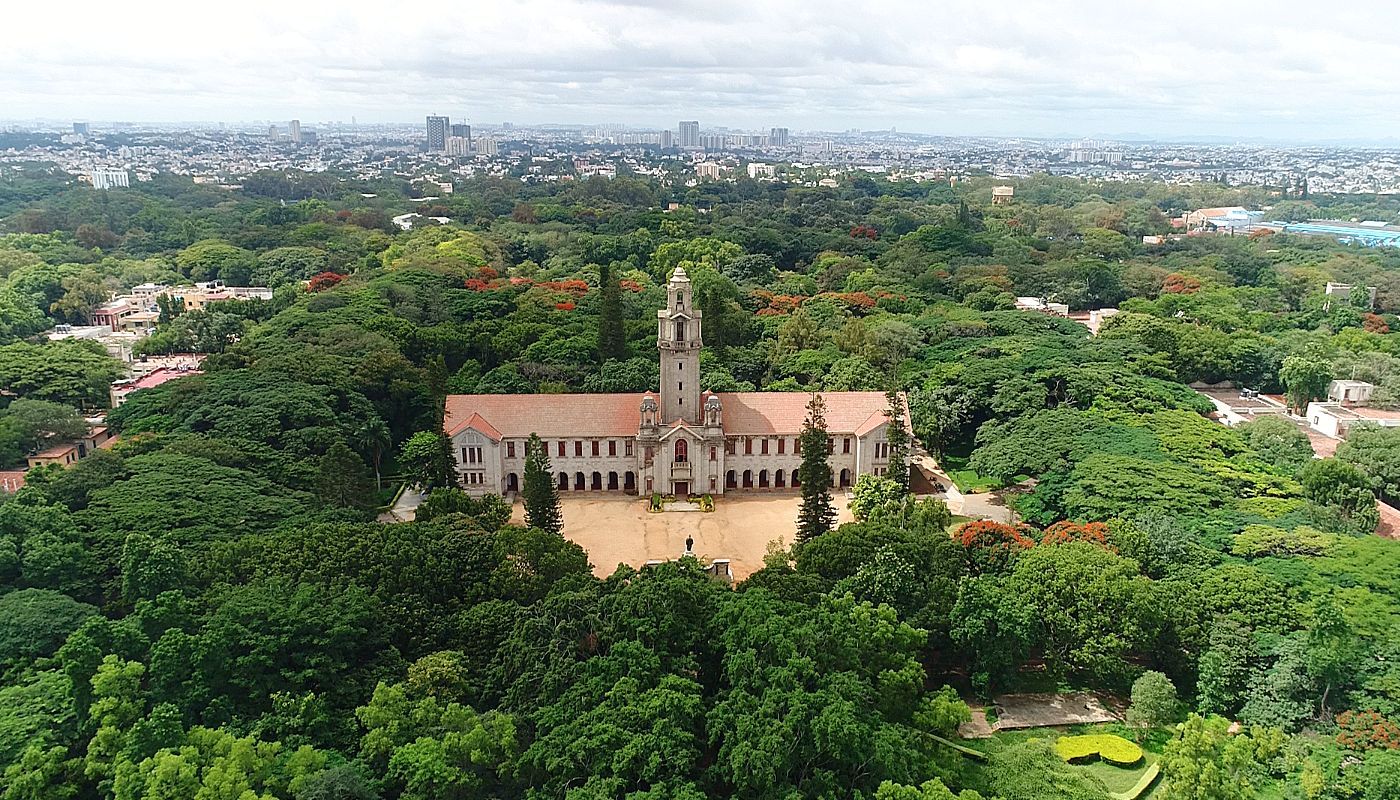
Ph.D. in Biology from Indian Institute of Science: Eligibility, Admission, Fee, Syllabus & Career
Introduction about Ph.D. in Biology at Indian Institute of Science
The Indian Institute of Science (IISc) stands as a beacon of scientific excellence in India, offering a rigorous Ph.D. in Biology that blends cutting‑edge research with world‑class mentorship. Aspiring scholars benefit from state‑of‑the‑art laboratories, interdisciplinary collaborations, and a vibrant academic community that nurtures innovation and scientific inquiry.
Eligibility Criteria for Ph.D. in Biology at Indian Institute of Science
- Master’s degree (M.Sc., M.Tech., M.Phil.) in Biology or related discipline with a minimum of 55% aggregate (or equivalent CGPA).
- Candidates with a Bachelor’s degree (B.Sc.) are eligible if they have secured a minimum of 60% and cleared the National Eligibility Test (NET) or GATE.
- Valid GATE/NET score or any other recognized national level test accepted by IISc.
- Research proposal aligned with the faculty interests of the Department of Biological Sciences.
Entrance Exam for Ph.D. in Biology at Indian Institute of Science
IISc conducts its own Ph.D. entrance test in conjunction with GATE/NET scores. The exam assesses:
- Fundamental concepts in molecular biology, genetics, biochemistry, and microbiology.
- Analytical reasoning and problem‑solving abilities.
- Research aptitude through a written proposal and interview.
Successful candidates are shortlisted for a personal interview with the department faculty.
Fee Structure for Ph.D. in Biology at Indian Institute of Science
| Fee Component | Annual Amount (INR) |
|---|---|
| Tuition & Laboratory Charges | ₹ 45,000 |
| Hostel & Mess (Optional) | ₹ 80,000 |
| Exam & Registration Fees | ₹ 5,000 |
| Total Approximate Cost per Year | ₹ 130,000 |
Scholarships, research assistantships, and fellowships significantly reduce the financial burden for eligible candidates.
Admission Process for Ph.D. in Biology at Indian Institute of Science
- Online Application Submission through the IISc admission portal.
- Upload academic transcripts, GATE/NET scorecard, and a concise research proposal.
- Pay the non‑refundable application fee.
- Shortlisting based on eligibility, test scores, and proposal quality.
- Written entrance test (if required) followed by a faculty interview.
- Final selection and issuance of admission letter.
Ph.D. Subjects and Specializations in Biology at Indian Institute of Science
The Department of Biological Sciences offers a diverse range of specializations, including:
- Cellular & Molecular Biology
- Genomics & Bioinformatics
- Ecology & Evolutionary Biology
- Neuroscience
- Plant Physiology & Developmental Biology
- Microbial Biotechnology
Research Areas in Biology at Indian Institute of Science
Key research thrusts at IISc encompass:
- CRISPR‑based gene editing and synthetic biology.
- Systems biology and computational modelling of cellular networks.
- Climate change impact on biodiversity and conservation strategies.
- Neurodegenerative disease mechanisms and therapeutic targets.
- Plant stress tolerance and sustainable agriculture.
Documents Required for Ph.D. in Biology at Indian Institute of Science
| Document | Format |
|---|---|
| Academic Transcripts & Mark Sheets | PDF (Scanned) |
| GATE/NET Scorecard | |
| Research Proposal (max 2000 words) | DOCX or PDF |
| Curriculum Vitae (CV) | |
| Two Academic Recommendation Letters | PDF (Signed) |
| Proof of Identity (Aadhaar/Passport) |
Indian Institute of Science Ph.D. Syllabus for Biology
The syllabus is designed to provide a solid foundation while encouraging independent research. Core modules include:
- Advanced Biochemistry and Molecular Biology
- Statistical Methods for Biological Data
- Research Ethics and Scientific Communication
- Specialized Electives (chosen based on faculty expertise)
Beyond coursework, candidates undertake a comprehensive research project culminating in a dissertation.
How To Apply for Ph.D. in Biology at Indian Institute of Science
Follow these steps to submit a successful application:
- Register on the IISc admission portal (https://admissions.iisc.ac.in).
- Complete the online application form and upload required documents.
- Pay the application fee using credit/debit card or net banking.
- Monitor your email for interview invitations and further instructions.
For additional guidance, refer to the Thesis and Dissertation Writing Services and Research Data Analysis Services offered by professional partners:
Career Scope and Job Opportunities After Ph.D. in Biology from Indian Institute of Science
Graduates enjoy a wide spectrum of career paths:
- Post‑doctoral fellowships at premier international universities.
- Principal Investigator roles in government research labs (CSIR, DST).
- Senior Scientist positions in biotech and pharmaceutical industries.
- Academic appointments as Assistant/Associate Professors.
- Science policy, IP management, and entrepreneurship in biotech startups.
According to recent placement data, 85% of IISc Biology Ph.D. alumni secure research‑oriented roles within six months of graduation.
Scholarship for Ph.D. in Biology at Indian Institute of Science
IISc offers several financial aid options:
- IISc Fellowship – Full tuition waiver + monthly stipend of ₹ 31,000.
- UGC‑JRF and SRF – Recognized national fellowships.
- DAAD/CRDF/ICCSR Grants – For international collaborative research.
- Industry‑Sponsored Projects – Stipends tied to specific research contracts.
FAQs Regarding Ph.D. in Biology at Indian Institute of Science
- What is the minimum duration of the Ph.D. program?
- The program is typically 4‑5 years, contingent on research progress and publication record.
- Can I pursue the Ph.D. part‑time while working?
- IISc primarily offers full‑time Ph.D. programmes; part‑time options are limited to specific industry collaborations.
- Is prior teaching experience required?
- No, teaching experience is not mandatory, though many candidates serve as teaching assistants.
- How many publications are expected before submission of the thesis?
- A minimum of two papers in peer‑reviewed journals is generally expected, though the exact requirement varies by supervisor.
- Are there opportunities for interdisciplinary research?
- Absolutely. IISc encourages collaborations across departments such as Chemistry, Physics, Computer Science, and Engineering.




