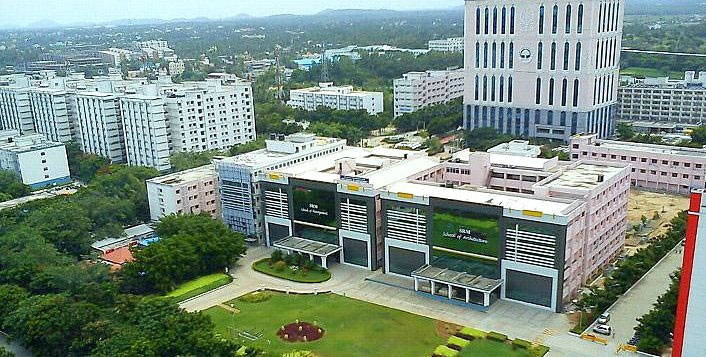
Introduction about Ph.D. in Biomedical Engineering at SRM University
Embarking on a Ph.D. in Biomedical Engineering at SRM University opens a gateway to pioneering research that bridges engineering principles with the life sciences. This doctoral program empowers professionals to innovate medical devices, develop advanced imaging techniques, and shape the future of healthcare technology. With state?of?the?art laboratories, interdisciplinary collaborations, and a vibrant academic community, SRM University stands as a beacon for aspiring scholars ready to transform ideas into impactful solutions.
Eligibility Criteria for Ph.D. in Biomedical Engineering at SRM University
Prospective candidates must satisfy the following minimum requirements:
- Master?s degree (M.Tech, M.Sc., or equivalent) in Biomedical Engineering, Electrical Engineering, Mechanical Engineering, Biotechnology, or a closely related discipline with a minimum of 55% aggregate (or 5.0 CGPA on a 10?point scale).
- Valid GATE score in Biomedical Engineering or related engineering streams is preferred but not mandatory.
- English proficiency: IELTS 6.0 or TOEFL iBT 80 for international applicants.
- Research aptitude demonstrated through publications, project reports, or relevant work experience.
Entrance Exam for Ph.D. in Biomedical Engineering at SRM University
Admission is primarily based on the candidate?s performance in the SRM University Ph.D. Entrance Test (PET). The exam evaluates:
- Fundamental concepts in engineering mathematics, signal processing, and biomaterials.
- Analytical reasoning and problem?solving abilities.
- Subject?specific knowledge through multiple?choice questions and short answer sections.
Candidates may also be considered based on their GATE score or a robust research proposal, reducing the weightage of PET for exceptionally qualified applicants.
Fee Structure for Ph.D. in Biomedical Engineering at SRM University
| Component | Annual Cost (INR) | Notes |
|---|---|---|
| Tuition & Examination Fees | ? 55,000 | Includes access to core labs and online resources. |
| Lab & Equipment Charges | ? 20,000 | Variable based on research specialization. |
| Library & Digital Resources | ? 5,000 | Unlimited access to journals and e?books. |
| Miscellaneous (Health Card, Campus Facilities) | ? 10,000 | One?time fee per semester. |
| Total Approximate Fee (per year) | ? 90,000 | Subject to annual revision. |
Admission Process for Ph.D. in Biomedical Engineering at SRM University
The streamlined admission workflow consists of five key stages:
- Online Application: Submit the digital application form via the university portal, attaching academic transcripts and a research synopsis.
- Document Verification: The admissions office validates the authenticity of certificates and identifies any eligibility gaps.
- Entrance Examination / GATE Evaluation: Appear for the PET or present a valid GATE score.
- Interview & Proposal Review: A panel of faculty members assesses research potential, motivation, and alignment with ongoing projects.
- Final Offer & Admission Confirmation: Successful candidates receive an official offer letter, followed by fee payment and enrollment.
Ph.D. Subjects and Specializations in Biomedical Engineering at SRM University
Students can tailor their doctoral journey across the following cutting?edge specializations:
- Biomaterials and Tissue Engineering
- Medical Imaging and Signal Processing
- Biomechanics and Rehabilitation Engineering
- Biomedical Instrumentation and Sensors
- Computational Biology and Bioinformatics
- Healthcare Data Analytics and AI
Research Areas in Biomedical Engineering at SRM University
SRM University fosters interdisciplinary research that addresses real?world healthcare challenges. Prominent research domains include:
- Design of smart prosthetics and exoskeletons.
- Nanotechnology for targeted drug delivery.
- Development of low?cost point?of?care diagnostic devices.
- Advanced MRI and CT imaging algorithms powered by deep learning.
- Regenerative medicine and scaffold fabrication.
- Wearable health monitoring systems and IoT integration.
Documents Required for Ph.D. in Biomedical Engineering at SRM University
| Document | Format | Remarks |
|---|---|---|
| Completed Application Form | Online submission only. | |
| Academic Transcripts (Post?Graduate) | PDF/Scanned Copy | Must be attested. |
| GATE / PET Scorecard | Attach official score report. | |
| Research Proposal (2,000?3,000 words) | DOCX or PDF | Highlight objectives, methodology, and expected outcomes. |
| Curriculum Vitae | Include publications, patents, and project experience. | |
| English Proficiency Certificate (if applicable) | IELTS/TOEFL scores. |
SRM University Ph.D. Syllabus for Biomedical Engineering
The doctoral syllabus is structured into three progressive phases:
- Core Coursework (Year 1): Advanced Topics in Biomechanics, Biomaterials, Medical Imaging, and Research Methodology.
- Comprehensive Exams (End of Year 1): Written and oral assessments covering core subjects.
- Thesis Research (Years 2?4): Independent research under faculty supervision, culminating in a dissertation and defense.
How To Apply for Ph.D. in Biomedical Engineering at SRM University
Follow these step?by?step instructions to secure your seat:
- Visit the official SRM University admissions portal.
- Create a user account and fill in personal and academic details.
- Upload the required documents (see the table above).
- Select ?Ph.D. ? Biomedical Engineering? as your program of interest.
- Pay the non?refundable application fee of ? 2,500 via net banking or credit card.
- Submit the application and note the generated reference number.
- Prepare for the PET or arrange for GATE score submission as per the admission schedule.
- After clearing the exam, attend the interview and proposal review.
- Upon acceptance, complete the enrollment formalities and begin your research journey.
Career Scope and Job Opportunities After Ph.D. in Biomedical Engineering from SRM University
A doctoral degree from SRM University equips graduates with expertise sought after by industry leaders, research institutes, and academia. Typical career trajectories include:
- Senior Research Scientist ? pharmaceutical and medical device firms.
- Assistant/Associate Professor ? leading universities and engineering colleges.
- Principal Investigator ? government and private research labs.
- Product Development Manager ? startups focusing on wearable health tech.
- Consultant ? regulatory bodies and health technology assessment agencies.
- Entrepreneur ? founding biotech or med?tech ventures.
According to recent placement data, Ph.D. graduates enjoy an average starting salary ranging from ? 12?Lakhs to ? 20?Lakhs per annum, with rapid growth potential based on specialization and research impact.
Scholarship for Ph.D. in Biomedical Engineering at SRM University
SRM University offers merit?based and need?based financial aid to support deserving scholars:
- SRM Merit Scholarship: Up to 50% tuition waiver for top 10% of applicants.
- Research Assistantship (RA): Stipends ranging from ? 15,000 to ? 25,000 per month plus laboratory allowances.
- External Fellowships: Guidance for applying to CSIR, UGC, and DST funded programs.
- Industry Sponsored Grants: Collaboration projects that provide project?specific funding.
Prospective candidates are encouraged to explore these options early and include scholarship applications alongside the admission file.
FAQs Regarding Ph.D. in Biomedical Engineering at SRM University
- What is the minimum duration of the Ph.D. program?
- The program is designed for a minimum of 4 years, contingent upon successful completion of coursework, examinations, and thesis submission.
- Can I pursue the Ph.D. part?time while working?
- Yes, SRM University offers a part?time track with flexible scheduling for industry professionals.
- Is there any provision for international collaborations?
- SRM maintains MoUs with several global universities, allowing joint supervision and exchange opportunities.
- Do I receive a stipend during my research?
- All admitted candidates are eligible for a research assistantship stipend, subject to the availability of funded projects.
- How does the university support publication and patent filing?
- Students receive dedicated Research Publication Support and access to a Patent Filing and Support Services team that assists throughout the intellectual property process.
- Can I receive assistance with my thesis proposal?
- Yes, the university?s PhD Topic Selection and Proposal Assistance service helps refine research ideas and align them with faculty expertise.
Embark on a transformative academic adventure with SRM University?s Ph.D. in Biomedical Engineering. Your innovations today can redefine tomorrow?s healthcare landscape.
For personalized guidance on application preparation, editing, and




