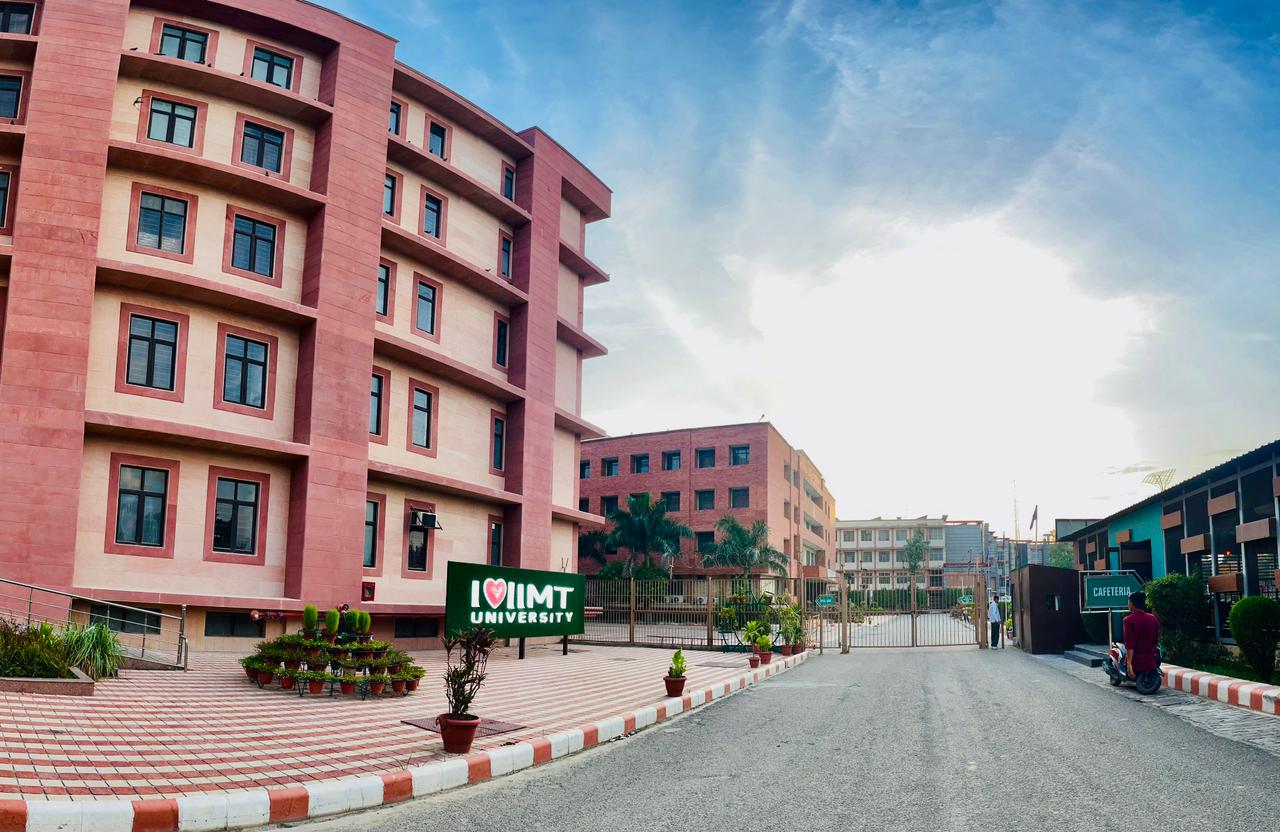
Ph.D. in Biotechnology from IIMT University: Eligibility, Entrance Exam, Fee Structure, Admission Process, Subjects, Research Areas, Syllabus, Scholarship & Career Scope
Introduction about Ph.D. in Biotechnology at IIMT University
Embarking on a doctoral journey in biotechnology at IIMT University opens the gateway to cutting‑edge research, innovative entrepreneurship, and leadership roles in the life‑science sector. The university’s state‑of‑the‑art labs, interdisciplinary faculty, and strong industry collaborations empower scholars to transform scientific curiosity into tangible solutions for health, agriculture, and environmental sustainability. Whether you aspire to pioneer gene‑editing technologies, develop novel bioprocesses, or contribute to global bio‑policy, the Ph.D. program provides a fertile ground to nurture your vision.
Eligibility Criteria for Ph.D. in Biotechnology at IIMT University
- Master’s degree (M.Sc., M.Tech., M.Pharm.) in Biotechnology, Molecular Biology, Biochemistry, Genetic Engineering, or any related life‑science discipline with a minimum of 55% aggregate (or equivalent grade).
- For candidates holding a Bachelor’s degree (B.Sc. or B.Tech.) with at least 60% marks**, candidates must have qualified the National Eligibility Test (NET) or GATE in a relevant subject.
- English language proficiency – minimum IELTS 6.0 or TOEFL 80 (for international candidates).
- Valid research proposal aligned with the university’s focus areas (optional but preferred for direct admission).
Entrance Exam for Ph.D. in Biotechnology at IIMT University
The university conducts a two‑stage entrance process:
- Written Test – 100 multiple‑choice questions covering core biotechnology, genetics, bio‑informatics, and research methodology. Duration: 2 hours.
- Interview & Proposal Defense – Candidates present their research proposal to a panel of experts, followed by a viva‑voce to assess subject mastery and research aptitude.
Qualifying scores in national examinations such as NET, GATE, or CSIR‑UGC are accepted as direct entry, waiving the written test.
Fee Structure for Ph.D. in Biotechnology at IIMT University
| Component | Amount (INR) | Notes |
|---|---|---|
| Admission & Registration Fee | 15,000 | One‑time payable at enrollment |
| Annual Tuition Fee | 45,000 | Inclusive of lab usage and library access |
| Project/Research Grant (Optional) | Up to 1,00,000 | Based on merit and project scope |
| Scholarship Deductions | Variable | Depends on merit‑based or need‑based scholarships |
| Total Approximate Cost (3‑Year Program) | 1,80,000 – 2,10,000 | Excluding additional research grants |
Admission Process for Ph.D. in Biotechnology at IIMT University
- Online Application – Submit the electronic application form through the university portal with scanned copies of academic certificates.
- Document Verification – Upload transcripts, NET/GATE scorecards, English proficiency certificates, and a concise research proposal.
- Entrance Examination – Appear for the written test (or present qualified NET/GATE scores).
- Interview & Proposal Defense – Attend the personal interview and defend your research plan.
- Final Selection & Admission Letter – Receive the admission offer, pay the registration fee, and register for the first semester.
- Orientation & Lab Allocation – Participate in a comprehensive orientation and get assigned to a research supervisor and laboratory.
Ph.D. Subjects and Specializations in Biotechnology at IIMT University
- Genetic Engineering & Gene Therapy
- Industrial Bioprocess Engineering
- Bioinformatics & Computational Biology
- Plant Biotechnology & Crop Improvement
- Marine & Environmental Biotechnology
- Pharmaceutical Biotechnology & Drug Development
- Biomedical Engineering Interfaces
Research Areas in Biotechnology at IIMT University
The university’s research ecosystem encourages interdisciplinary projects. Core research domains include:
- CRISPR‑Cas9 genome editing for disease resistance.
- Bioreactor design for high‑yield protein production.
- Metagenomics of extreme environments for novel enzyme discovery.
- Nanobiotechnology for targeted drug delivery.
- Bioremediation strategies using engineered microbes.
- Synthetic biology for sustainable bio‑fuels.
- Precision agriculture through molecular markers.
Documents Required for Ph.D. in Biotechnology at IIMT University
| Document | Requirement |
|---|---|
| Academic Transcripts (10‑12, UG, PG) | Original & certified copies |
| Degree Certificates | Originals with attestation |
| NET/GATE Scorecard (if applicable) | Valid for the current admission cycle |
| Research Proposal (2‑3 pages) | Clear objectives, methodology, and expected outcomes |
| Curriculum Vitae | Academic and professional highlights |
| English Proficiency Certificate | IELTS, TOEFL, or equivalent |
| Letter of Recommendation (2) | From academicians or industry professionals |
| Passport‑size Photograph | Recent, color, on white background |
IIMT University Ph.D. Syllabus for Biotechnology
The syllabus is modular, combining coursework, seminars, and research milestones:
- Year 1 – Foundation: Advanced Molecular Biology, Bioprocess Engineering, Bio‑statistics, Research Ethics, and Scientific Writing.
- Year 2 – Specialization: Elective courses aligned with chosen specialization, advanced data analytics, intellectual property law, and proposal refinement.
- Year 3 – Thesis: Original research, periodic progress reports, manuscript preparation, and defense.
How To Apply for Ph.D. in Biotechnology at IIMT University
Follow these steps to submit a successful application:
- Visit the official IIMT University Ph.D. Biotechnology portal and register a new account.
- Complete the online application form, ensuring all mandatory fields are filled accurately.
- Upload the required documents (as listed in the “Documents Required” section).
- Pay the non‑refundable application fee of INR 2,000 via net banking or credit card.
- Submit the application and note the acknowledgment number for future correspondence.
- Monitor your email for notifications regarding the entrance test schedule or interview invitations.
Career Scope and Job Opportunities After Ph.D. in Biotechnology from IIMT University
Graduates enjoy a vibrant career landscape:
- Academic Positions – Assistant Professor, Research Fellow, or Post‑Doctoral Scholar in reputed institutions.
- Industry Roles – R&D Scientist, Bioprocess Engineer, Clinical Research Manager, or Biotechnology Consultant in pharmaceutical, agro‑chemical, and bio‑fuel companies.
- Entrepreneurship – Founding biotech startups focused on personalized medicine, sustainable agriculture, or bio‑informatics solutions.
- Government & Policy – Roles in regulatory bodies, health ministries, or research councils shaping biotech policies.
- Intellectual Property & Patent Law – Working as patent analysts or consultants for biotech innovations.
The interdisciplinary training equips scholars to adapt to emerging fields such as synthetic biology, regenerative medicine, and AI‑driven drug discovery.
Scholarship for Ph.D. in Biotechnology at IIMT University
IIMT University offers merit‑based and need‑based financial assistance:
- University Merit Scholarship – Up to 50% tuition waiver for candidates scoring above 85% in PG.
- Research Grant Scholarships – Funding through external agencies (DST, CSIR, BIRAC) for project‑specific work.
- Teaching/Assistantship – Stipend of INR 12,000–15,000 per month for teaching undergraduate labs.
- Industry‑Sponsored Fellowships – Partnerships with biotech firms providing stipends and lab resources.
Applicants are encouraged to explore additional support through the university’s Editing and Proofreading Services to polish research manuscripts, as well as PhD Topic Selection and Proposal Assistance for crafting competitive proposals.
FAQs Regarding Ph.D. in Biotechnology at IIMT University
- What is the minimum duration of the Ph.D. program?
- The program is designed for a minimum of three years, subject to successful completion of coursework, research milestones, and thesis defense.
- Can working professionals enroll in the Ph.D. program?
- Yes, IIMT University offers a part‑time/semester‑wise mode for professionals, with flexible class schedules and remote project supervision.
- Is there a provision for collaborative research with other universities?
- Absolutely. The university has MoUs with several national and international institutions, facilitating joint projects, exchange programs, and co‑authored publications.
- How does the university assist with research publications?
- Students receive mentorship from faculty and can avail the Research Publication Support service for manuscript preparation, journal selection, and submission processes.
- Are there opportunities for patent filing during the Ph.D.?
- Yes, the university’s Technology Transfer Office guides scholars through the Patent Filing and Support Services, helping protect and commercialize innovative discoveries.
- What additional assistance is available for admission?
- Prospective candidates can benefit from the PhD Admission Assistance</




