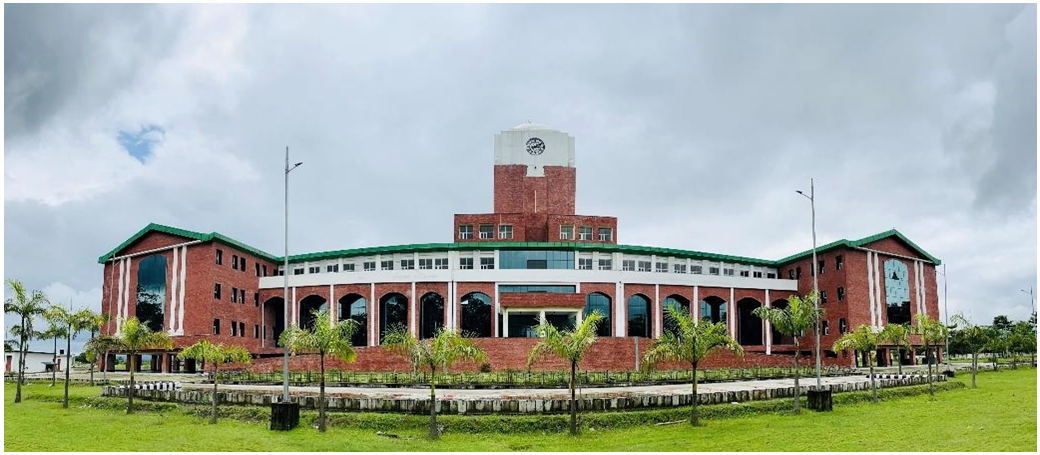
Ph.D. in Biotechnology at Indian Agricultural Research Institute
The Indian Agricultural Research Institute (IARI) stands as a cornerstone of agricultural innovation in India. Its Ph.D. programme in Biotechnology blends cutting‑edge molecular techniques with sustainable agricultural practices, empowering professionals to become leaders in research, development, and policy. Whether you aspire to drive gene‑editing breakthroughs, develop climate‑resilient crops, or spearhead biotech entrepreneurship, IARI provides a robust academic environment, world‑class laboratories, and collaborations with national and international research bodies.
Eligibility Criteria for Ph.D. in Biotechnology at Indian Agricultural Research Institute
Prospective candidates must satisfy the following minimum requirements:
- Academic Qualification: A Master’s degree (M.Sc., M.Tech., M.Phil.) in Biotechnology, Molecular Biology, Genetics, Agricultural Sciences, or a closely related discipline with at least 55% aggregate (50% for SC/ST/OBC).
- Research Experience: Prior involvement in research projects, publications in peer‑reviewed journals, or a strong research proposal is highly advantageous.
- Age Limit: No upper age restriction, though many candidates are between 22–30 years.
- English Proficiency: Adequate command of English for scientific communication; TOEFL/IELTS may be required for foreign candidates.
Entrance Exam for Ph.D. in Biotechnology at Indian Agricultural Research Institute
IARI conducts a two‑stage entrance assessment:
- Written Test: Objective and descriptive questions covering core biotechnology, molecular genetics, bioinformatics, and agricultural applications. The test evaluates analytical thinking and subject mastery.
- Interview & Research Proposal Review: Shortlisted candidates present a research proposal, discuss their previous work, and undergo a viva‑voce conducted by a panel of senior faculty members.
Preparation resources include previous year papers, standard textbooks (e.g., “Molecular Biotechnology” by Glick et al.), and online mock tests. Candidates are encouraged to consult the Thesis and Dissertation Writing Services to sharpen their proposal writing skills.
Fee Structure for Ph.D. in Biotechnology at Indian Agricultural Research Institute
| Component | Annual Fee (INR) | Notes |
|---|---|---|
| Tuition & Examination | 18,000 | Inclusive of lab usage and assessment fees |
| Library & Resource Access | 2,000 | Digital journals, e‑books, and inter‑library loans |
| Research Project Charges | Variable* | Depends on consumables & equipment usage |
| Miscellaneous (Sports, Health, etc.) | 1,500 | Campus facilities and student welfare |
| Total Approx. | 21,500 – 35,000 | Excluding project-specific expenses |
*Research project charges can range from INR 10,000 to INR 25,000 depending on the nature of the work (field trials, advanced instrumentation, etc.).
Admission Process for Ph.D. in Biotechnology at Indian Agricultural Research Institute
The admission workflow follows a streamlined sequence:
- Online Application Submission: Fill the web‑based application form, upload scanned copies of academic certificates, CV, and research proposal.
- Payment of Application Fee: A non‑refundable fee of INR 2,500 is payable via net banking or credit card.
- Screening of Applications: The Academic Committee shortlists candidates based on academic performance and research potential.
- Entrance Examination: Eligible candidates appear for the written test conducted at designated IARI centers.
- Interview & Proposal Evaluation: Successful test‑takers are invited for the interview round.
- Final Selection & Offer Letter: Candidates receive an official admission letter with details of enrollment and fee payment schedule.
- Enrollment & Orientation: New scholars attend a week‑long orientation covering laboratory safety, ethical guidelines, and campus resources.
Ph.D. Subjects and Specializations in Biotechnology at Indian Agricultural Research Institute
IARI offers a wide spectrum of research tracks, allowing candidates to tailor their doctoral journey:
- Plant Genetic Engineering & CRISPR Applications
- Microbial Biotechnology for Soil Health
- Plant Tissue Culture & Somatic Embryogenesis
- Bioinformatics & Systems Biology
- Bioprospecting of Agro‑industrial Enzymes
- Biotechnology for Climate‑Smart Agriculture
- Post‑Harvest Biotechnology & Food Preservation
Research Areas in Biotechnology at Indian Agricultural Research Institute
Faculty members lead projects in several high‑impact domains:
| Research Domain | Key Objectives | Potential Applications |
|---|---|---|
| Genomic Editing for Crop Improvement | Develop disease‑resistant, high‑yield varieties | Seed industry, food security programs |
| Microbial Consortia for Sustainable Farming | Enhance nitrogen fixation, phosphorus solubilization | Organic fertilizers, reduced agrochemical usage |
| Bioprocess Engineering | Scale‑up production of enzymes and bio‑actives | Biotech startups, industrial fermentation |
| Precision Agriculture & Remote Sensing | Integrate omics data with phenotyping platforms | Smart farming solutions, decision‑support tools |
Documents Required for Ph.D. in Biotechnology at Indian Agricultural Research Institute
| Document | Format | Remarks |
|---|---|---|
| Academic Transcripts (10+2, B.Sc., M.Sc.) | PDF (Scanned) | Originals to be produced on campus |
| Degree Certificates | PDF (Scanned) | Attested copies required |
| Curriculum Vitae (CV) | Highlight research experience and publications | |
| Research Proposal (5–8 pages) | Must align with faculty expertise | |
| Statement of Purpose (SOP) | Articulate career goals and motivation | |
| Category Certificate (if applicable) | For SC/ST/OBC/EWS candidates | |
| Copy of Passport / Aadhaar | Identity verification |
Indian Agricultural Research Institute Ph.D. Syllabus for Biotechnology
The doctoral syllabus is structured into three major phases:
- Core Coursework (Year 1): Advanced Molecular Biology, Plant Genetics, Bioinformatics, Biostatistics, and Research Ethics.
- Comprehensive Exam (End of Year 1): Written and oral tests covering all core subjects.
- Research & Thesis (Years 2–4): Laboratory work, data analysis, manuscript preparation, and dissertation defense.
Students may also enrol in elective modules like Biotechnology Entrepreneurship or Intellectual Property Rights in Life Sciences to broaden their skill set. For data handling and statistical modeling, many scholars rely on professional Research Data Analysis Services.
How To Apply for Ph.D. in Biotechnology at Indian Agricultural Research Institute
Follow these step‑by‑step instructions to submit a successful application:
- Visit the official IARI admissions portal and create a user account.
- Complete the online application form, ensuring accurate entry of personal and academic details.
- Upload the required documents (as listed in the “Documents Required” section) in PDF format.
- Pay the non‑refundable application fee through the integrated payment gateway.
- Submit the research proposal and wait for an email confirmation of receipt.
- Prepare for the written entrance test using the suggested reference books and previous year papers.
- After clearing the test, attend the interview and defend your proposal.
- Upon selection, accept the offer letter, complete fee payment, and register for the first semester.
Applicants seeking assistance with proposal drafting or manuscript editing may consult the Research Paper Writing Services for professional guidance.
Career Scope and Job Opportunities After Ph.D. in Biotechnology from Indian Agricultural Research Institute
A doctorate from IARI opens doors across academia, industry, and government sectors:
- Academic Positions: Assistant Professor, Associate Professor, and Principal Investigator roles in universities and research institutes.
- Research & Development: Senior Scientist, Project Leader, or R&D Manager in biotech firms, agro‑chemical companies, and food processing units.
- Policy & Regulatory Bodies: Scientific advisor to ministries, member of regulatory committees, or consultant for international agencies like FAO and WHO.
- Entrepreneurship: Founder of startup ventures focusing on seed technology, bio‑fertilizers, or biotech-enabled food solutions.
- Intellectual Property & Patent Law: Specialist roles in patent filing, technology transfer, and licensing.
According to recent placement data, Ph.D. graduates command an average salary range of INR 12–20 lakhs per annum, with senior positions exceeding INR 30 lakhs. Continuous professional development through workshops and certification programs further enhances employability.</




