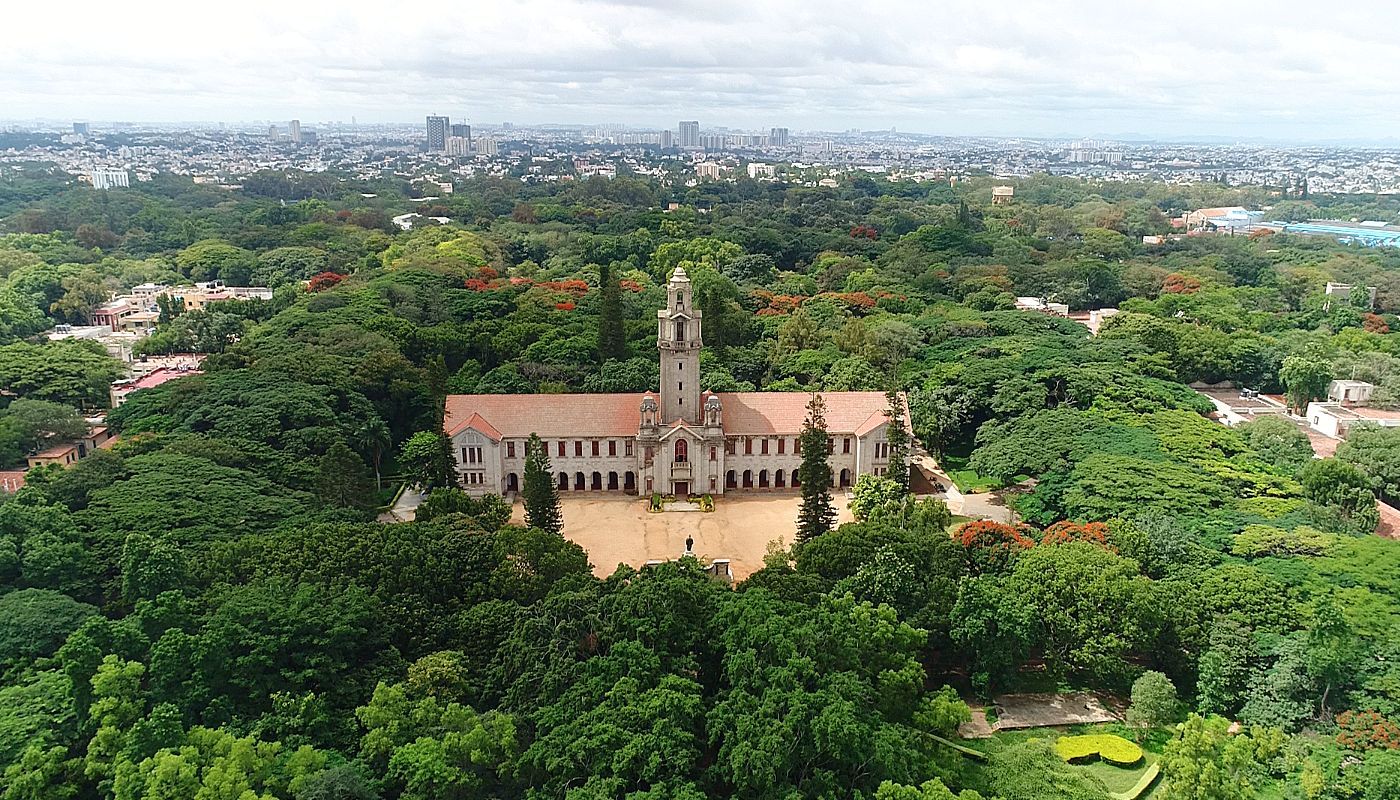
Introduction about Ph.D. in Biotechnology at Indian Institute of Science
The pursuit of a Ph.D. in Biotechnology at the Indian Institute of Science (IISc), Bangalore, is more than just an academic journey; it is a transformative experience at the very frontier of biological innovation. As India?s premier institution for scientific research, IISc offers an environment where the brightest minds converge to solve the world?s most pressing biological challenges. Whether it is uncovering the molecular basis of infectious diseases, pioneering synthetic biology, or developing sustainable bio-energy solutions, the Division of Biological Sciences at IISc provides the perfect ecosystem for visionary researchers. For professionals looking to transition from routine industry roles to high-impact R&D leadership, IISc represents the pinnacle of intellectual rigor and creative freedom.
Stepping into the hallowed halls of the Indian Institute of Science means becoming part of a legacy that has shaped the scientific landscape of the nation for over a century. The Biotechnology program here is uniquely interdisciplinary, bridging the gap between fundamental biology and engineering principles. This holistic approach ensures that researchers are not only experts in their niche but also pioneers capable of driving systemic change in the global biotech industry. The journey is demanding, but the rewards?in terms of personal growth, professional prestige, and societal impact?are unparalleled.
Ph.D Admission 2026-2027 & Writing Support Services by Shiksha Research
Eligibility Criteria for Ph.D. in Biotechnology at Indian Institute of Science
Securing a seat at IISc requires a stellar academic record and a proven passion for research. The eligibility criteria are designed to identify candidates who possess the analytical depth required for high-level scientific inquiry. Typically, candidates must hold a Master?s degree in any branch of Science (including Biotechnology, Molecular Biology, Biochemistry, or Genetics) or a Bachelor?s degree in Engineering/Technology (B.E./B.Tech) with a valid GATE score. Professionals often find that their industry experience gives them a unique perspective on real-world problems, making them strong candidates if they meet the academic thresholds.
For candidates applying with a Master's degree, a minimum of a first-class or equivalent grade is mandatory. Furthermore, candidates must have qualified in a national-level entrance exam. The institute also encourages applicants from diverse scientific backgrounds, provided they show a strong inclination toward biological applications. It is essential to ensure that your previous research work or thesis is presented with clarity; many applicants utilize professional Editing and Proofreading Services to refine their academic records and statements of purpose to meet the exacting standards of the IISc admissions committee.
Entrance Exam for Ph.D. in Biotechnology at Indian Institute of Science
Entrance into the Ph.D. program at the Indian Institute of Science is highly competitive and primarily based on national-level screening tests. Candidates must qualify in one of the following examinations to be shortlisted for the interview process:
- CSIR-UGC NET for JRF: A common route for science graduates.
- GATE (Graduate Aptitude Test in Engineering): Specifically for B.Tech or M.Tech holders.
- DBT-JRF / ICMR-JRF: Specialized fellowships for biotechnology and medical research.
- JGEEBILS (Joint Graduate Entrance Examination for Biology and Interdisciplinary Life Sciences): A cross-institutional exam accepted by IISc.
The screening process is designed to test not just the depth of biological knowledge, but also the candidate's logical reasoning and quantitative abilities. Only the top percentiles are invited for the next stage, which involves a multi-round technical interview where the candidate's research aptitude is put to the test.
Fee Structure for Ph.D. in Biotechnology at Indian Institute of Science
One of the most attractive aspects of pursuing a Ph.D. at IISc is that the institution is heavily subsidized by the Government of India, making it highly affordable while providing world-class infrastructure. Below is an approximate breakdown of the fee structure for the doctoral program:
| Category of Fee | Estimated Amount (General/OBC) | Estimated Amount (SC/ST) |
|---|---|---|
| Tuition Fee (Annual) | INR 15,000 - 20,000 | Fully Waived |
| Identity Card & Registration Fee | INR 1,000 | INR 1,000 |
| Caution Deposit (Refundable) | INR 10,000 | INR 10,000 |
| Gymkhana & Library Fee | INR 2,000 | INR 2,000 |
| Total First Year Fee (Approx) | INR 28,000 - 33,000 | INR 13,000 |
The fees are subject to periodic revisions. It is important to note that most Ph.D. students receive a monthly stipend that covers these costs comfortably, allowing researchers to focus entirely on their scientific breakthroughs without financial strain.
Admission Process for Ph.D. in Biotechnology at Indian Institute of Science
The admission process at IISc is rigorous and merit-based. It begins with an online application where candidates must detail their academic history, entrance exam scores, and research interests. Following the initial screening, shortlisted candidates are invited for the interview round. The interview is the most critical component, focusing on the applicant?s fundamental clarity, passion for research, and potential to contribute to the department's ongoing projects.
Given the complexity of the application, many prospective scholars seek PhD Admission Assistance to navigate the technicalities of the process. The departments often look for candidates who have a clear vision of their research goals. This is where PhD Topic Selection and Proposal Assistance becomes invaluable. Creating a unique and viable research proposal can significantly increase the chances of clearing the interview, as it demonstrates that the candidate has prepared thoroughly for the doctoral journey.
Ph.D. Subjects and Specializations in Biotechnology at Indian Institute of Science
Biotechnology at IISc is an expansive field with several sub-disciplines. Students can specialize in areas that leverage both biological discovery and technological application. Some of the core specializations include:
- Molecular and Cellular Biology
- Synthetic Biology and Metabolic Engineering
- Bioinformatics and Computational Biology
- Protein Engineering and Proteomics
- Plant Biotechnology and Crop Improvement
- Infectious Disease Biology and Immunology
These subjects are taught through a combination of advanced coursework and laboratory rotations, ensuring that students gain a comprehensive understanding of the field before narrowing down their specific thesis topic.
Research Areas in Biotechnology at Indian Institute of Science
The research ecosystem at IISc is vibrant and diverse. The institute focuses on solving grand challenges through innovation. Current research areas include the development of novel vaccines, understanding neurodegenerative diseases, and engineering microbes for environmental remediation. Researchers at IISc are encouraged to collaborate across departments, integrating insights from physics, chemistry, and computer science into their biological research.
To support high-level research output, the institute provides extensive Research Publication Support, helping scholars publish their findings in top-tier journals like Nature, Cell, and Science. Furthermore, because IISc is a hub for innovation, students are often involved in groundbreaking work that requires protection; the institute offers dedicated Patent Filing and Support Services to ensure that intellectual property generated during the Ph.D. is properly secured and ready for commercialization.
Documents Required for Ph.D. in Biotechnology at Indian Institute of Science
An application to IISc requires meticulous documentation and preparation. Candidates must ensure they have all necessary records ready for both the application portal and the physical verification stage. The required documents typically include:
- Scanned copy of the recent passport-size photograph and signature.
- All academic mark sheets and certificates from Class 10 onwards.
- Entrance exam scorecards (GATE, NET, GAT-B, etc.).
- Caste certificate (if applicable).
- Experience certificates for professional candidates.
- A well-drafted Research Proposal or Statement of Purpose.
- No Objection Certificate (NOC) from current employers for part-time/sponsored candidates.
Indian Institute of Science Ph.D. Syllabus for Biotechnology
The syllabus for the Ph.D. program at IISc is not a fixed curriculum like an undergraduate program but rather a structured pathway to research independence. The first year involves "Credit Course Work," which is tailored to the student's research interests. Common modules include:
- Essentials in Genetics and Genomic Biology: Deep dive into heredity and high-throughput sequencing.
- Structural Biology: Understanding the 3D architecture of biological molecules.
- Biostatistics and Data Analysis: Crucial for validating research experiments.
- Research Methodology and Ethics: Learning the principles of scientific integrity and experimental design.
- Advanced Biochemistry: Studying the chemical processes within and relating to living organisms.
After completing the course requirements, the focus shifts entirely to the doctoral thesis, which involves years of rigorous experimentation, data collection, and analysis.
How To Apply for Ph.D. in Biotechnology at Indian Institute of Science
The application process usually opens twice a year for the August and January sessions. Prospective candidates should follow these steps:
- Visit the Official Website: Go to the IISc Admissions portal.
- Register: Create a user profile and fill in personal and academic details.
- Select Program: Choose the Ph.D. in Biological Sciences/Biotechnology.
- Upload Documents: Ensure all scanned copies meet the specified size and format.
- Pay Application Fee: Usually around INR 800 for general candidates, payable online.
- Submit and Print: Keep a copy of the submitted application and the application number for future reference.
Candidates are advised to apply well before the deadline to avoid last-minute technical glitches on the portal. For professionals, balancing a career while managing these applications can be challenging, but the prestige of an IISc Ph.D. makes the effort worthwhile.
Career Scope and Job Opportunities After Ph.D. in Biotechnology from Indian Institute of Science
Graduating with a Ph.D. from IISc Bangalore opens doors to the most elite circles of science and industry. The career paths are diverse and prestigious:
- Academic Leadership: Many IISc alumni become faculty members at top Indian institutes (IITs, IISERs) or international universities.
- Industrial R&D: Leading biotech and pharma companies like Biocon, Pfizer, and Dr. Reddy?s actively seek IISc PhDs for senior scientist roles.
- Policy and Regulatory Affairs: Working with government bodies to shape the future of bio-ethics and biosecurity.
- Entrepreneurship: Founding biotech startups based on innovations developed during doctoral research.
For those who have achieved significant industry milestones or contributed immensely to scientific literature through alternative paths, some may even explore Honorary Doctorate Programs to complement their professional standing, though a research Ph.D. from IISc remains the gold standard for technical mastery.
Scholarship for Ph.D. in Biotechnology at Indian Institute of Science
IISc ensures that financial constraints do not hinder scientific progress. All students admitted to the Ph.D. program receive fellowships from agencies like the Ministry of Education (MoE), CSIR, UGC, or DBT. The current stipend for a Junior Research Fellow (JRF) is approximately INR 37,000 per month plus HRA, which is upgraded to INR 42,000 per month for Senior Research Fellows (SRF) after two years of successful progress. There are restricted fellowships for toppers, such as the Prime Minister?s Research Fellowship (PMRF), which offers significantly higher monthly stipends and annual research grants of up to INR 2 Lakhs.
FAQs Regarding Ph.D. in Biotechnology at Indian Institute of Science
1. Can I apply for a Ph.D. at IISc directly after a 4-year B.Tech?
Yes, candidates with a 4-year Bachelor?s degree in Engineering or Science are eligible to apply provided they have a valid GATE score or have qualified for other national fellowships.
2. Is there an age limit for applying to the Ph.D. program?
IISc does not have a strict age limit for Ph.D. admissions; however, specific fellowships (like CSIR-JRF) may have their own age criteria.
3. What is the average duration of a Ph.D. in Biotechnology at IISc?
The typical duration is 5 to 6 years, depending on the research complexity and the speed of publication.
4. Does IISc offer a part-time Ph.D. for working professionals?
Yes, there is an External Registration Program (ERP) that allows professionals from R&D sectors to pursue a Ph.D. while remaining in their current employment, subject to rigorous interview selection and institutional MOUs.
5. How important is the interview compared to the entrance exam score?
While the entrance exam score is the gateway to being shortlisted, the final selection depends almost entirely on the performance in the interview rounds.




