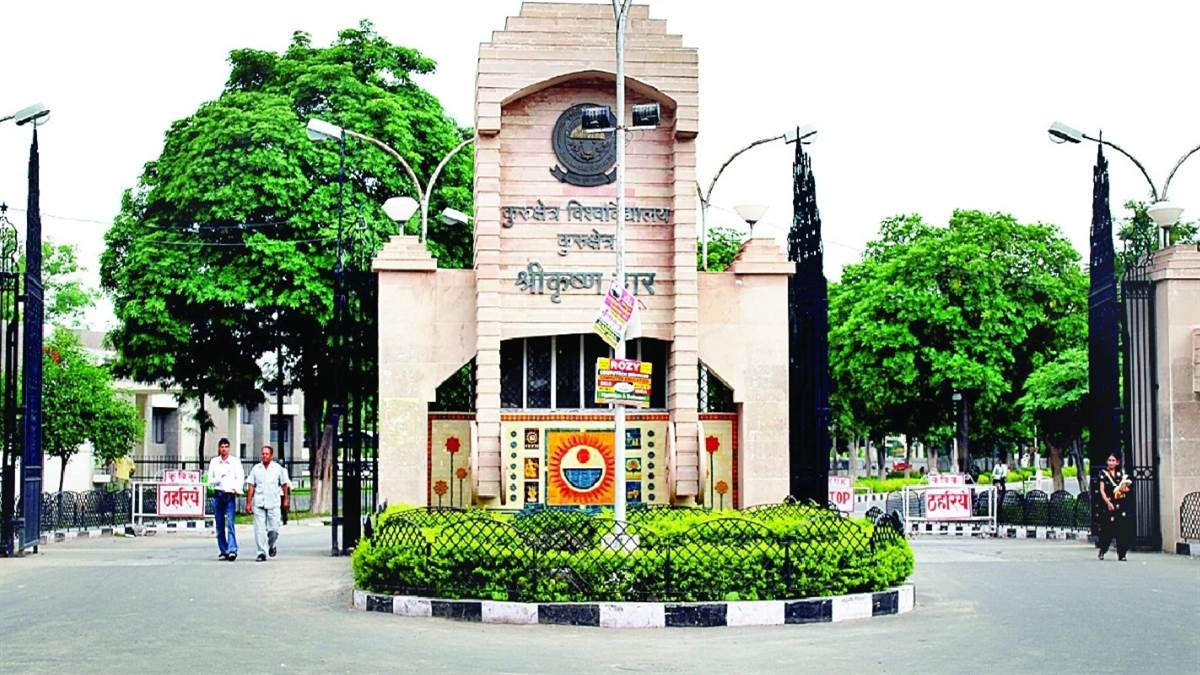
Ph.D. in Biotechnology from Kurukshetra University: Eligibility, Entrance Exam, Fee Structure, Admission Process, Subjects, Research Areas, Syllabus, Scholarship & Career Scope
Introduction about Ph.D. in Biotechnology at Kurukshetra University
The Ph.D. program in Biotechnology at Kurukshetra University is designed for ambitious professionals who aspire to lead cutting?edge research in areas such as genetic engineering, bio?informatics, and industrial bioprocesses. With state?of?the?art laboratories, collaborations with leading biotech firms, and a curriculum aligned with global standards, the university offers a robust platform to transform scientific curiosity into impactful innovations.
Ph.D Admission 2026-2027 & Writing Support Services by Shiksha Research
Eligibility Criteria for Ph.D. in Biotechnology at Kurukshetra University
- Academic Qualifications: A Master’s degree (M.Sc., M.Tech., or equivalent) in Biotechnology, Molecular Biology, Biochemistry, Microbiology, or a closely related discipline with a minimum of 55% marks (or 5.5 CGPA) for general category candidates. Reserved categories may be considered with a 5% relaxation.
- Research Aptitude: Demonstrated research exposure through publications, project work, or industry experience is highly valued.
- Age Limit: No upper age limit, but candidates must meet the minimum eligibility at the time of admission.
Entrance Exam for Ph.D. in Biotechnology at Kurukshetra University
The university conducts a two?stage selection process:
- Written Test: A 100?mark objective?type examination covering core biotechnology concepts, molecular genetics, bioprocess engineering, and analytical techniques.
- Interview & Viva?voce: Candidates who clear the written test are invited for a panel interview that assesses research proposal clarity, analytical skills, and suitability for the chosen faculty supervisor.
Prospective candidates can also qualify through national-level exams such as UGC?NET, CSIR?JRF, or GATE (Biotechnology) as they are recognized as valid for admission.
Fee Structure for Ph.D. in Biotechnology at Kurukshetra University
| Component | Annual Fee (INR) | Notes |
|---|---|---|
| Tuition & Examination Fee | 12,000 | Applicable for all semesters |
| Laboratory & Resource Charges | 8,500 | Includes access to central facilities |
| Library & Digital Resources | 2,000 | Annual subscription to e?journals |
| Annual Miscellaneous Charges | 1,500 | Sports, health, and campus activities |
| Total Approx. Per Year | 24,000 |
Admission Process for Ph.D. in Biotechnology at Kurukshetra University
- Fill out the online application form on the university’s official portal.
- Upload scanned copies of academic transcripts, research publications, and identity proof.
- Pay the non?refundable application fee of INR 1,500.
- Submit the completed form and wait for the admit card for the written test.
- Qualify in the written test and appear for the interview.
- Receive the provisional admission letter, followed by final registration after fee payment.
During the process, candidates are encouraged to explore Thesis and Dissertation Writing Services to strengthen their research proposals.
Ph.D. Subjects and Specializations in Biotechnology at Kurukshetra University
The doctoral program offers a wide range of specializations, allowing scholars to tailor their research to industry demands and scientific trends:
- Genetic Engineering & Recombinant DNA Technology
- Industrial Biotechnology & Bioprocess Engineering
- Bio?informatics and Computational Biology
- Environmental Biotechnology & Bioremediation
- Pharmaceutical Biotechnology & Drug Development
- Plant Tissue Culture and Crop Improvement
Research Areas in Biotechnology at Kuruksheta University
Faculty members are actively engaged in research that spans the following cutting?edge domains:
- CRISPR?Cas9 Genome Editing: Developing precise gene?editing tools for disease resistance in crops.
- Metabolic Engineering: Engineering microbial strains for high?yield production of bio?fuels and bioplastics.
- Proteomics & Biomarker Discovery: Identifying novel biomarkers for early disease diagnosis.
- Nanobiotechnology: Designing nanoparticle?based drug delivery systems.
- Agricultural Biotechnology: Enhancing nutrient content and stress tolerance in staple crops.
Documents Required for Ph.D. in Biotechnology at Kurukshetra University
| Document | Specification |
|---|---|
| Academic Transcripts | Original mark sheets of Bachelor's and Master's degrees (certified copies) |
| Research Proposal | 2?page synopsis outlining objectives, methodology, and expected outcomes |
| Curriculum Vitae (CV) | Professional CV highlighting publications, patents, and project experience |
| Proof of Identity | Aadhaar card, passport or driving license |
| Entrance Exam Scores | UGC?NET / CSIR?JRF / GATE score report (if applicable) |
Kurukshetra University Ph.D. Syllabus for Biotechnology
The syllabus is structured to build both theoretical depth and practical expertise. Core modules include:
- Advanced Molecular Genetics
- Bioprocess Technology and Scale?up
- Bio?informatics Tools and Databases
- Research Methodology and Scientific Writing
- Ethics, Patents, and Commercialization in Biotechnology
Students also undertake elective courses aligned with their specialization and complete a comprehensive research project culminating in a dissertation.
How To Apply for Ph.D. in Biotechnology at Kurukshetra University
Follow these step?by?step instructions to submit a successful application:
- Visit the official Kurukshetra University admissions portal.
- Register using a valid email address and create a strong password.
- Complete the personal and academic sections, ensuring all mandatory fields are filled.
- Upload the required documents (as listed above) in PDF format.
- Pay the application fee via Netbanking, credit/debit card, or UPI.
- Submit the form and download the acknowledgment receipt.
- Prepare for the written test by reviewing previous years’ question papers and standard textbooks.
For assistance with data handling and statistical analysis during your research, you may consider Research Data Analysis Services.
Career Scope and Job Opportunities After Ph.D. in Biotechnology from Kurukshetra University
Graduates enjoy a versatile career trajectory, including:
- Academic Positions: Assistant Professor, Lecturer, or Research Fellow in premier universities and research institutes.
- Industry Roles: R&D Scientist, Process Development Engineer, and Product Manager in biotech firms, pharma companies, and agro?chemical corporations.
- Government & Public Sector: Scientific Officer in CSIR labs, DRDO, or Indian Council of Agricultural Research (ICAR).
- Entrepreneurship: Founding biotech startups focused on diagnostics, bio?fuels, or agricultural solutions.
- Consultancy: Providing expert advice on regulatory compliance, patent filing, and technology transfer.
The demand for highly skilled biotechnologists continues to rise, driven by advancements in personalized medicine, sustainable agriculture, and green technologies.
Scholarship for Ph.D. in Biotechnology at Kurukshetra University
The university, in partnership with the Department of Biotechnology (DBT) and various research councils, offers several financial aid options:
- DBT Junior Research Fellowship (JRF): Up to INR 31,000 per month for the first two years, with additional research grant.
- UGC?NET Fellowship: Stipend of INR 35,000 per month for up to 5 years.
- University Merit Scholarships: Based on academic performance and research potential (full tuition waiver).
- Industry Sponsored Projects: Funding through collaborations with biotech companies.
To enhance the quality of your dissertation, you may avail Research Paper Writing Services.
FAQs Regarding Ph.D. in Biotechnology at Kurukshetra University
- 1. What is the minimum duration of the Ph.D. program?
- The typical duration is 3?4 years, contingent upon satisfactory progress in coursework and research milestones.
- 2. Can working professionals enroll part?time?
- Yes, the university permits part?time enrollment for candidates with documented professional commitments, provided they meet the research requirements.
- 3. Is there a provision for joint supervision with external institutes?
- Joint supervision is encouraged. Candidates can collaborate with industry or other academic institutions after obtaining prior approval from the university’s research board.
- 4. How many publications are required for thesis submission?
- At least two peer?reviewed journal articles (or one journal article and one conference paper) are generally expected before the final viva?voce.
- 5. Are there any language proficiency requirements?</




