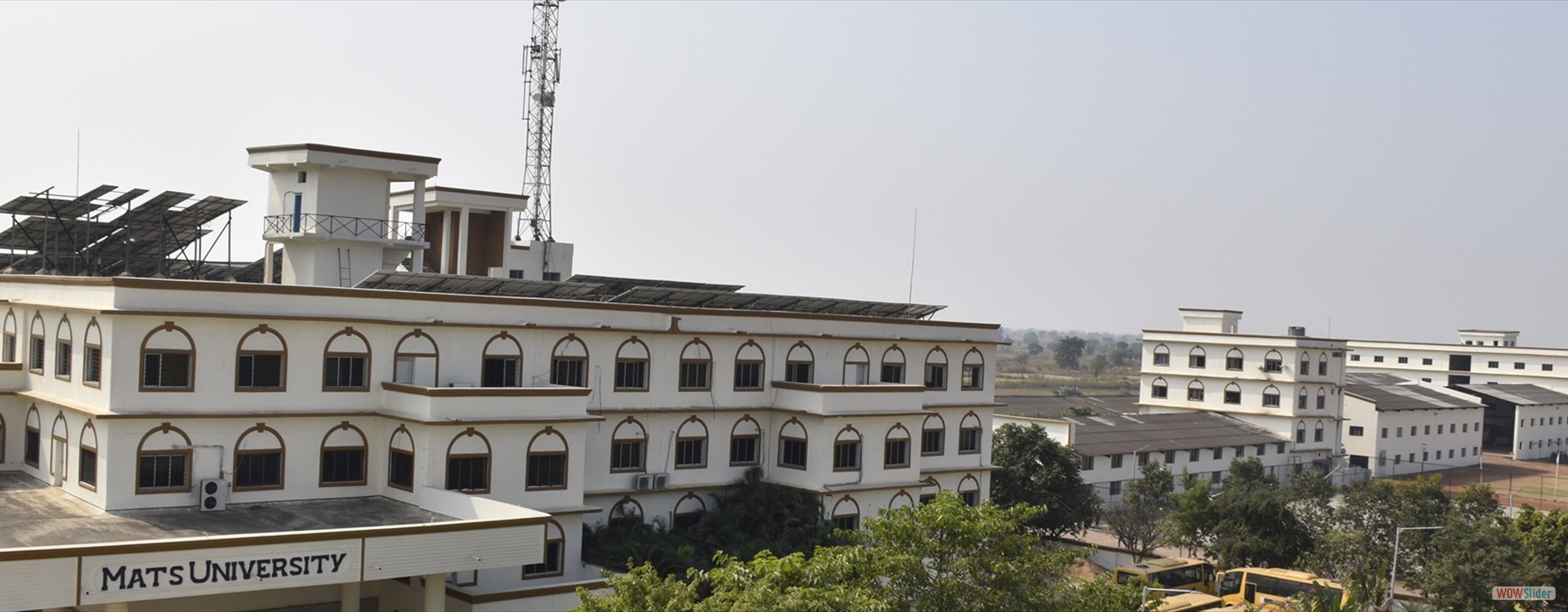
Ph.D. in Biotechnology from MATS University: Eligibility, Entrance Exam, Fee Structure, Admission Process, Subjects, Research Areas, Syllabus, Scholarship & Career Scope
Introduction about Ph.D. in Biotechnology at MATS University
The Doctor of Philosophy (Ph.D.) in Biotechnology at MATS University stands as a beacon for ambitious scientists seeking to pioneer breakthroughs in genetics, bioinformatics, and molecular engineering. Designed for seasoned professionals, the program blends rigorous coursework with cutting‑edge research, empowering candidates to transform scientific ideas into real‑world solutions. With world‑class laboratories, industry collaborations, and a faculty of internationally recognized scholars, MATS University offers an inspiring environment where curiosity meets opportunity.
Eligibility Criteria for Ph.D. in Biotechnology at MATS University
- Master’s degree (M.Sc., M.Tech., or equivalent) in Biotechnology, Molecular Biology, Biochemistry, Genetic Engineering, or a closely related discipline with a minimum aggregate of 55% (50% for reserved categories).
- Valid GATE score in Biotechnology or Life Sciences (optional but preferred).
- Research experience demonstrated through publications, project work, or internships.
- Proficiency in English (minimum IELTS 6.0 or TOEFL 80 for international candidates).
Entrance Exam for Ph.D. in Biotechnology at MATS University
MATS University conducts its own entrance assessment, comprising:
- Written Test: Objective and descriptive questions covering advanced biotechnology concepts, statistical methods, and research methodology.
- Interview: Evaluation of research proposals, analytical thinking, and alignment with faculty expertise.
- Candidates with a valid GATE score may be exempted from the written test but will still attend the interview.
Fee Structure for Ph.D. in Biotechnology at MATS University
| Component | Annual Fee (INR) | One‑Time Charges |
|---|---|---|
| Tuition Fee | ₹ 70,000 | — |
| Laboratory & Facility Charges | ₹ 25,000 | — |
| Registration & Administration | ₹ 10,000 | — |
| Library & Digital Resources | ₹ 5,000 | — |
| Hostel & Mess (Optional) | ₹ 30,000 | — |
| Total Approx. Annual Cost | ₹ 140,000 | — |
Admission Process for Ph.D. in Biotechnology at MATS University
- Online application submission through the university portal.
- Upload scanned copies of academic certificates, GATE score (if any), and research proposal.
- Pay the non‑refundable application fee of ₹ 2,000.
- Shortlisting based on eligibility and research profile.
- Appear for the entrance test (or submit GATE score) and attend the interview.
- Final merit list released; admission confirmed upon payment of the first year fee.
Ph.D. Subjects and Specializations in Biotechnology at MATS University
Students may choose from a diverse array of specializations, including:
- Genetic Engineering and Gene Therapy
- Bioinformatics and Computational Biology
- Industrial Biotechnology and Bioprocess Engineering
- Marine & Environmental Biotechnology
- Plant Biotechnology and Crop Improvement
- Pharmaceutical Biotechnology
Research Areas in Biotechnology at MATS University
The university’s research ecosystem focuses on high‑impact domains such as:
- CRISPR‑Cas9 mediated genome editing.
- Development of biosensors for disease diagnostics.
- Algal biofuel production and sustainability.
- Personalized medicine through proteomics.
- Bioremediation of industrial waste.
- Nanobiotechnology for targeted drug delivery.
Documents Required for Ph.D. in Biotechnology at MATS University
| Document | Format | Remarks |
|---|---|---|
| Academic Transcripts (10+2, B.Sc., M.Sc.) | PDF (Scanned) | Certified copies required |
| GATE Score Card (if applicable) | Valid for the current admission year | |
| Research Proposal (max 1500 words) | Word Document | Align with faculty interests |
| Curriculum Vitae | Include publications & projects | |
| Proof of English Proficiency | IELTS/TOEFL score report | |
| Letter of Recommendation (2) | From academic or industry mentors |
MATS University Ph.D. Syllabus for Biotechnology
The curriculum is structured to balance core knowledge with research autonomy. Core modules (Year 1) include:
- Advanced Molecular Biology
- Biostatistics and Data Analysis
- Research Ethics and Intellectual Property
- Scientific Writing and Communication
Subsequent years focus on elective courses tailored to the chosen specialization, followed by comprehensive thesis work and defense.
How To Apply for Ph.D. in Biotechnology at MATS University
- Visit the official MATS University Ph.D. Biotechnology portal and click “Apply Now”.
- Register using a valid email address and create a password.
- Complete the application form with personal, academic, and research details.
- Upload the required documents (see Documents Required section).
- Pay the application fee via online banking or credit card.
- Submit the form and note the application ID for future tracking.
Career Scope and Job Opportunities After Ph.D. in Biotechnology from MATS University
Graduates emerge as experts ready to lead in academia, industry, and entrepreneurship. Typical career paths include:
- Assistant/Associate Professor or Principal Investigator in leading universities.
- R&D Scientist in pharmaceutical, agro‑chemical, or biotech firms.
- Project Manager for government‑funded research initiatives.
- Founder of biotech startups focusing on diagnostics, therapeutics, or sustainable bio‑products.
- Consultant for regulatory bodies and international health organizations.
According to recent industry surveys, the biotechnology sector in India is projected to grow at a CAGR of over 15%, translating into a robust demand for Ph.D. holders equipped with both technical mastery and leadership acumen.
Scholarship for Ph.D. in Biotechnology at MATS University
MATS University offers merit‑based scholarships covering up to 80% of tuition fees for top performers. Additional financial support includes:
- Research Stipends under the UGC‑JRF and CSIR‑SRF schemes.
- Industry‑Sponsored fellowships for collaborative projects.
- Travel grants for presenting papers at national and international conferences.
Applicants are encouraged to explore the scholarship portal for detailed eligibility and application deadlines.
FAQs Regarding Ph.D. in Biotechnology at MATS University
- What is the minimum duration of the Ph.D. program?
- The program typically spans 3‑4 years, contingent upon successful completion of coursework, research milestones, and thesis defense.
- Can I pursue the Ph.D. part‑time while working?
- Yes, MATS University offers a flexible part‑time mode for professionals, with extended timelines and evening lab access.
- Is prior research publication mandatory?
- While not mandatory, having at least one peer‑reviewed publication strengthens the application and may waive the entrance test.
- Are there collaborative research opportunities with industry?
- Absolutely. The university maintains partnerships with leading biotech firms, enabling joint projects, internships, and funded research positions.
For additional research support, consider partnering with specialized service providers:




