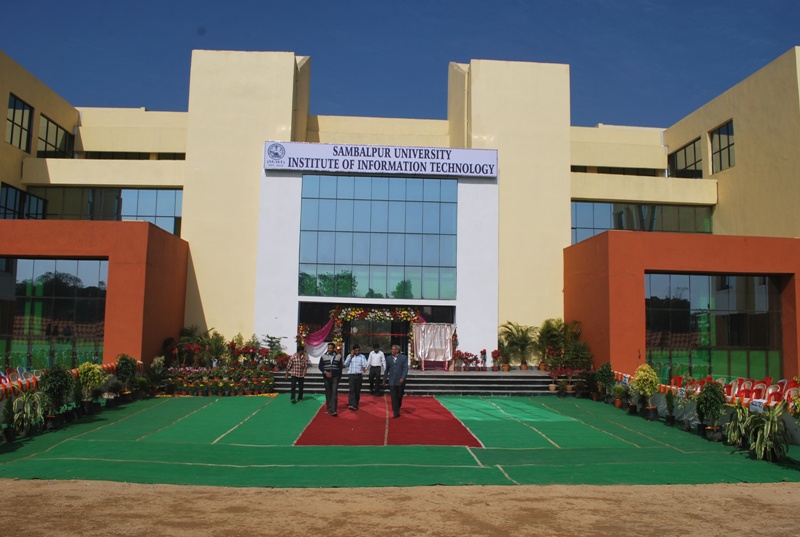
Introduction about Ph.D. in Biotechnology at Sambalpur University
Embarking on a Ph.D. in Biotechnology at Sambalpur University is a transformative journey that merges cutting‑edge science with real‑world impact. The program is designed for professionals who aspire to become thought leaders, innovators, and independent researchers in fields ranging from genetic engineering to bio‑informatics. With a robust curriculum, state‑of‑the‑art laboratories, and collaborations with industry, the university equips scholars with the expertise needed to address global challenges such as sustainable agriculture, healthcare breakthroughs, and environmental remediation.
Eligibility Criteria for Ph.D. in Biotechnology at Sambalpur University
Prospective candidates must satisfy the following minimum requirements:
- A Master’s degree (M.Sc., M.Tech., M.Phil.) in Biotechnology, Molecular Biology, Biochemistry, Genetic Engineering, or a closely related discipline with at least 55% marks (or an equivalent CGPA of 6.5/10).
- Qualifying scores in the university’s Ph.D. entrance test or a national level exam such as NET, GATE, CSIR‑UGC NET, or JRF.
- For candidates holding a Ph.D. in a different discipline, a minimum of two years of relevant research experience is required.
- English language proficiency (minimum IELTS 6.0 or TOEFL 80) for international applicants.
- Applicants must be at least 21 years of age at the time of admission.
Entrance Exam for Ph.D. in Biotechnology at Sambalpur University
The entrance exam evaluates analytical ability, subject mastery, and research aptitude. The key components include:
- General Aptitude – Logical reasoning, quantitative ability, and English comprehension (30 marks).
- Biotechnology Fundamentals – Core concepts in genetics, microbiology, bioprocess engineering, and molecular biology (50 marks).
- Research Proposal Presentation – Candidates submit a concise research proposal and defend it before a panel (20 marks).
National qualifiers (NET, GATE, CSIR‑UGC) are exempted from the written test, but they must appear for the interview and proposal defense.
Fee Structure for Ph.D. in Biotechnology at Sambalpur University
| Component | Annual Cost (INR) | Notes |
|---|---|---|
| Tuition & Examination Fee | 15,000 | Includes registration, library, and laboratory usage. |
| Research Project Grant | 40,000 | Allocated for consumables, equipment, and field work. |
| Hostel & Accommodation (Optional) | 25,000 | On‑campus residence for out‑station scholars. |
| Miscellaneous (Printing, Internet, etc.) | 5,000 | Estimated per annum. |
| Total Approximate Cost | 85,000 | Subject to yearly revision. |
Admission Process for Ph.D. in Biotechnology at Sambalpur University
The admission workflow is streamlined into five clear stages:
- Online Application – Submit the electronic form through the university portal with scanned copies of academic certificates and a research proposal.
- Document Verification – The admissions office verifies eligibility, marksheets, and qualifying exam scores.
- Entrance Examination – Eligible candidates appear for the written test (or submit NET/GATE scores).
- Interview & Proposal Defense – A faculty panel evaluates the research proposal, motivation, and technical knowledge.
- Final Offer & Enrollment – Successful candidates receive a formal admission letter, after which they must pay the first-year fee and register for the semester.
Ph.D. Subjects and Specializations in Biotechnology at Sambalpur University
Students can tailor their doctoral research to one of the following high‑impact specializations:
- Genetic Engineering and Synthetic Biology
- Plant Biotechnology and Crop Improvement
- Medical Biotechnology – Vaccine Development, Therapeutics
- Industrial Biotechnology – Enzyme Production, Biopolymers
- Environmental Biotechnology – Bioremediation, Waste Management
- Bioinformatics and Computational Biology
Research Areas in Biotechnology at Sambalpur University
Faculty and research centers are actively engaged in groundbreaking projects, including:
- CRISPR‑Cas9 mediated gene editing for disease resistance in staple crops.
- Development of low‑cost diagnostic kits for infectious diseases.
- Bioconversion of agricultural waste into biofuels and value‑added chemicals.
- Design of nanobiomaterials for targeted drug delivery.
- Systems biology approaches to understand metabolic pathways in microbes.
- Artificial intelligence driven protein structure prediction.
Documents Required for Ph.D. in Biotechnology at Sambalpur University
| Document | Format | Remarks |
|---|---|---|
| Completed Online Application Form | Signed and dated. | |
| Academic Transcripts (M.Sc./M.Tech.) | Scanned Copies | Must be attested by the issuing university. |
| Qualifying Exam Scorecard (NET/GATE) | Original scorecard or certified copy. | |
| Research Proposal (max 1500 words) | DOCX/PDF | Include objectives, methodology, and expected outcomes. |
| Curriculum Vitae | Highlight publications, patents, and work experience. | |
| Proof of Identity (Aadhaar/Passport) | Scanned Copy | Valid government‑issued ID. |
| Letter of Recommendation (2) | From academic supervisors or senior industry professionals. |
Sambalpur University Ph.D. Syllabus for Biotechnology
The syllabus is structured to build deep theoretical foundations while fostering independent research skills. Core modules include:
- Advanced Molecular Genetics
- Bioprocess Engineering and Scale‑up
- Omics Technologies (Genomics, Proteomics, Metabolomics)
- Bioethics, Intellectual Property Rights, and Regulatory Affairs
- Statistical Methods for Biological Data
- Seminar Series – Guest lectures from industry and research institutes.
In addition to coursework, candidates are expected to complete a minimum of 12 research papers (peer‑reviewed) or equivalent patents by the end of the program.
How To Apply for Ph.D. in Biotechnology at Sambalpur University
Follow these steps to submit a successful application:
- Visit the official university admissions portal and register a new account.
- Upload the required documents listed in the “Documents Required” table.
- Enter your research proposal details in the designated section. Keep the proposal concise, innovative, and aligned with the university’s research strengths.
- Pay the non‑refundable application fee (INR 2,000) through net banking or UPI.
- Submit the application and note the reference number for future correspondence.
- Prepare for the entrance examination or ensure your NET/GATE score is uploaded correctly.
- Attend the interview and proposal defense on the scheduled date.
For personalized assistance, consider professional services such as PhD Admission Assistance or PhD Topic Selection and Proposal Assistance.
Career Scope and Job Opportunities After Ph.D. in Biotechnology from Sambalpur University
A doctorate in Biotechnology unlocks a spectrum of high‑impact careers:
- Academic Positions – Assistant Professor, Associate Professor, or Principal Investigator in leading universities.
- Research Scientist – Government labs (ICAR, CSIR), private R&D centers, and international research institutes.
- Biotech Industry Leadership – Senior roles in product development, process optimization, and regulatory affairs at firms like Biocon, Serum Institute, and multinational corporations.
- Entrepreneurship – Founding startups focused on novel therapeutics, bio‑fertilizers, or sustainable bioprocesses.
- Intellectual Property & Patent Consultancy – Leveraging expertise to protect biotech inventions; services are available through Patent Filing and Support Services.
- Science Communication & Policy Making – Advising governmental bodies on biotech regulations and public health strategies.
The program’s strong industry linkages ensure that graduates are job‑ready and often receive lucrative offers immediately after completion.
Scholarship for Ph.D. in Biotechnology at Sambalpur University
Financial support is critical for uninterrupted research. The university provides several scholarship options:
- University Merit Scholarship – Full tuition




