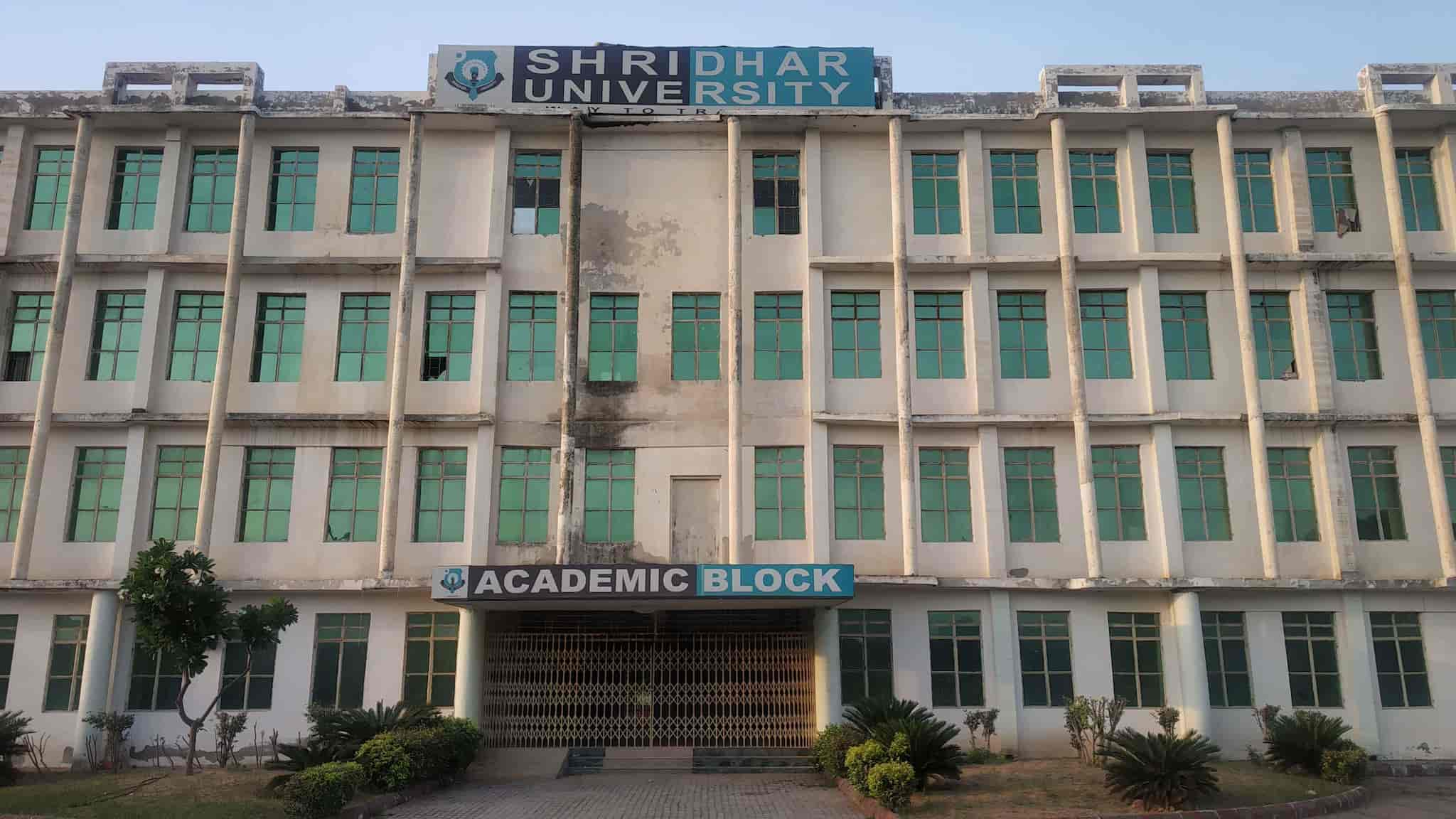
Ph.D. in Biotechnology from Shridhar University: Eligibility, Entrance Exam, Fee Structure, Admission Process, Subjects, Research Areas, Syllabus, Scholarship & Career Scope
Introduction about Ph.D. in Biotechnology at Shridhar University
Embarking on a doctoral journey in biotechnology at Shridhar University opens the doors to cutting‑edge research, world‑class labs, and a vibrant community of scholars dedicated to translating science into societal impact. Whether your passion lies in genetic engineering, bio‑informatics, or sustainable bioprocesses, Shridhar’s interdisciplinary environment empowers you to push the boundaries of knowledge while shaping a future where science serves humanity.
Ph.D Admission 2026-2027 & Writing Support Services by Shiksha Research
Eligibility Criteria for Ph.D. in Biotechnology at Shridhar University
- Master’s degree (M.Sc., M.Tech., or equivalent) in Biotechnology, Molecular Biology, Genetic Engineering, Bio‑Chemistry, or any related discipline with a minimum of 55% aggregate (or 5.5 CGPA) from a recognized university.
- NEET‑UG/PG or GATE scores are not mandatory, but a valid score can strengthen the application.
- Candidates who have cleared UGC‑NET or CSIR‑NET in Biotechnology or a related subject are given preferential consideration.
- For those with a Bachelor’s degree (B.Sc./B.Tech.) and significant research experience (minimum 2 years), an interview may substitute the master’s requirement.
- English language proficiency (IELTS 6.0 or TOEFL 80) for international applicants.
Entrance Exam for Ph.D. in Biotechnology at Shridhar University
Shridhar University conducts its own entrance examination, the Shridhar Biotechnology Doctoral Test (SBDT). The exam evaluates:
- Fundamental concepts in cell biology, biochemistry, and molecular genetics.
- Analytical abilities through data interpretation and problem‑solving questions.
- Research aptitude via essay‑type questions on current trends in biotechnology.
The test is held twice a year (June and December). Candidates with a minimum of 50 % marks in the written test are shortlisted for a personal interview and a research proposal presentation.
Fee Structure for Ph.D. in Biotechnology at Shridhar University
| Component | Annual Fee (INR) | Notes |
|---|---|---|
| Tuition & Lab Charges | ₹ 75,000 | Includes access to core facilities and consumables. |
| Research Project Grant (mandatory) | ₹ 30,000 | Allocated for material procurement and field work. |
| Library & Digital Resources | ₹ 5,000 | Unlimited access to e‑journals and databases. |
| Administrative & Examination Fees | ₹ 10,000 | Covering registration, evaluation, and certification. |
| Total Approximate Cost (per year) | ₹ 1,20,000 | Cost may vary based on project requirements. |
Scholarships, teaching assistantships, and industry‑sponsored projects can significantly reduce the financial burden.
Admission Process for Ph.D. in Biotechnology at Shridhar University
- Online Application: Fill the digital form on the university portal and upload academic transcripts, research proposal, and two recommendation letters.
- Entrance Examination: Appear for SBDT. Eligible candidates receive a call‑letter for the interview.
- Interview & Proposal Review: Present your research plan to the Departmental Panel. The panel assesses feasibility, originality, and alignment with university research focus.
- Final Selection: Merit list released based on exam score, interview performance, and academic record.
- Admission Confirmation: Pay the initial fee, complete the registration formalities, and enroll in the orientation program.
Ph.D. Subjects and Specializations in Biotechnology at Shridhar University
- Genetic Engineering and Genome Editing
- Industrial Biotechnology and Bioprocess Engineering
- Marine Biotechnology and Aquaculture
- Bioinformatics and Computational Biology
- Plant Tissue Culture and Agrigenomics
- Medical Biotechnology and Vaccine Development
- Environmental Biotechnology and Bioremediation
Research Areas in Biotechnology at Shridhar University
Shridhar’s research ecosystem is anchored in five interdisciplinary clusters:
- Precision Medicine: CRISPR‑based therapeutics, personalized vaccine platforms, and biomarker discovery.
- Sustainable Bio‑Manufacturing: Development of low‑cost biopolymers, biofuels, and enzyme engineering.
- Agricultural Genomics: Drought‑resistant crops, gene‑stacking technologies, and nutraceutical enhancement.
- Marine & Environmental Biotechnology: Algal bio‑products, waste‑to‑value conversion, and marine microbial ecology.
- Computational Biology: AI‑driven protein modeling, systems biology, and big‑data analytics for omics studies.
Documents Required for Ph.D. in Biotechnology at Shridhar University
| Document | Format | Remarks |
|---|---|---|
| Academic Transcripts (M.Sc./M.Tech.) | PDF (scanned) | Attested copies required. |
| Research Proposal (max 1500 words) | DOCX or PDF | Should include objectives, methodology, and expected outcomes. |
| Two Letters of Recommendation | From academic supervisors or industry mentors. | |
| Proof of English Proficiency (if applicable) | IELTS/TOEFL score report. | |
| Curriculum Vitae (CV) | Include publications, patents, and conference presentations. |
Shridhar University Ph.D. Syllabus for Biotechnology
The doctoral syllabus is divided into three phases, each emphasizing theory, practical skill development, and original research.
- Phase I – Foundation (Year 1): Advanced Molecular Biology, Bio‑statistics, Research Ethics, and Laboratory Techniques.
- Phase II – Specialization (Year 2‑3): Electives based on chosen specialization (e.g., CRISPR Technologies, Bioprocess Design, Computational Genomics) and comprehensive project work.
- Phase III – Thesis (Year 4‑5): Independent research, manuscript preparation, and defense before a multidisciplinary panel.
How To Apply for Ph.D. in Biotechnology at Shridhar University
Follow these concise steps to secure your seat:
- Visit the official Shridhar University Ph.D. portal and register using your email ID.
- Complete the application form, upload all required documents, and pay the non‑refundable processing fee of ₹ 2,500.
- Schedule the SBDT examination; a secure payment gateway facilitates the fee transaction.
- Prepare a compelling research proposal. Consider leveraging PhD Topic Selection and Proposal Assistance for a competitive edge.
- After clearing the exam, attend the interview and submit any additional documents requested by the department.
- Upon selection, finalize enrollment and explore funding options such as teaching assistantships or industry collaborations.
Career Scope and Job Opportunities After Ph.D. in Biotechnology from Shridhar University
Graduates enjoy a spectrum of high‑impact roles:
- Academic Positions: Assistant Professor, Research Fellow, or Department Head in leading universities.
- Industry R&D: Senior Scientist, Project Lead, or Innovation Manager in pharma, agro‑chemical, and biotech firms.
- Entrepreneurship: Founder of a biotech start‑up focusing on diagnostics, bio‑informatics platforms, or sustainable bio‑products.
- Regulatory & Policy: Expert advisor for agencies like CDSCO, DBT, or international bodies such as WHO.
- Intellectual Property: Patent Analyst or IP Manager; avail specialized support from Patent Filing and Support Services.
- Science Communication: Technical Writer, editor, or consultant for scientific publications; boost your portfolio with Editing and Proofreading Services.
Scholarship for Ph.D. in Biotechnology at Shridhar University
Shridhar University offers merit‑based and need‑based scholarships, including:
- University Merit Scholarship: Up to 50 % tuition waiver for top 10 % of candidates.
- Research Assistantship (RA): Monthly stipend of ₹ 15,000 plus travel allowance for project work.
- Industry Sponsored Fellowships: Partnerships with biotech giants like Biocon, Serum Institute, and GAIL provide project funding and exposure.
- National Fellowships: Eligibility for CSIR‑JRF, UGC‑NET, and DST‑SERB grants.
FAQs Regarding Ph.D. in Biotechnology at Shridhar University
Q1: Can I pursue a Ph.D. directly after a B.Sc. in Biotechnology?
A: Yes, if you have a minimum of 2 years of relevant research experience and a strong research proposal, you may be considered for direct admission after a departmental interview.
Q2: Is there a provision for part‑time Ph.D. for working professionals?
A: Shridhar University offers a flexible part‑time mode with weekend labs and online coursework, allowing professionals to balance work and research.




