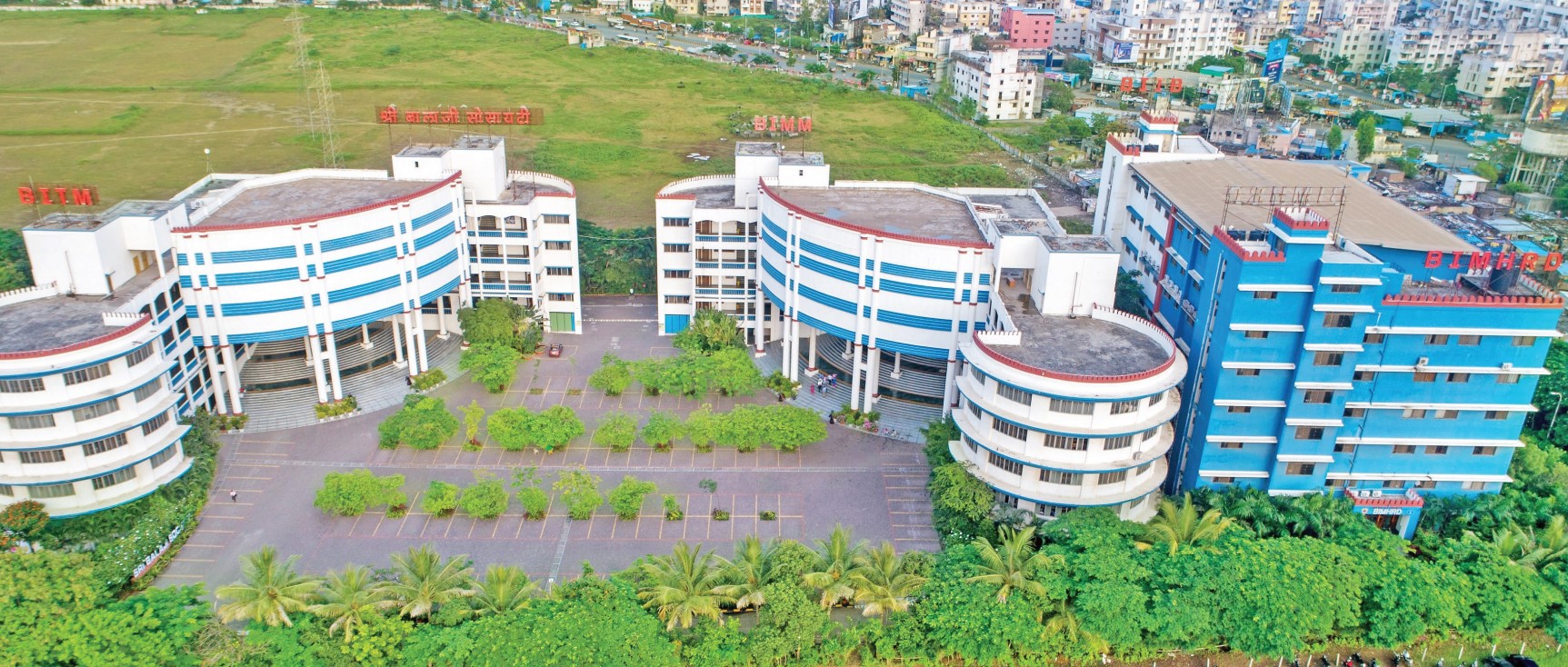
Ph.D. in Business Analytics from Sri Balaji University: Eligibility, Entrance Exam, Fee Structure, Admission Process, Subjects, Research Areas, Syllabus, Scholarship & Career Scope
Introduction about Ph.D. in Business Analytics at Sri Balaji University
In an era driven by data, the Ph.D. in Business Analytics at Sri Balaji University stands as a beacon for professionals aiming to bridge the gap between complex data sets and strategic decision-making. This doctoral program is meticulously designed to foster critical thinking, advanced analytical skills, and robust research capabilities. By pursuing this degree, you are not just earning a title; you are positioning yourself as a thought leader in the global corporate landscape. Whether you are navigating the complexities of predictive modeling or machine learning, this program empowers you to redefine industry standards. For those seeking guidance, our PhD Admission Assistance ensures your journey begins on a solid foundation.
Eligibility Criteria for Ph.D. in Business Analytics at Sri Balaji University
To enroll in this prestigious program, candidates must typically possess a Master?s degree in Business Administration, Data Science, Statistics, Mathematics, or a related field from a recognized university with a minimum aggregate score (usually 55%). Professionals with significant industry experience often find an edge here. If you are struggling with refining your core focus, we offer expert PhD Topic Selection and Proposal Assistance to align your academic goals with industry requirements.
Entrance Exam for Ph.D. in Business Analytics at Sri Balaji University
Admission is primarily based on a university-conducted entrance test followed by a personal interview. The entrance exam evaluates the candidate's proficiency in research methodology, quantitative aptitude, and subject-specific knowledge in business analytics. Candidates who have qualified for national-level fellowships such as UGC-NET or GATE may be exempted from the written entrance test, depending on the university's specific notification for the academic year.
Fee Structure for Ph.D. in Business Analytics at Sri Balaji University
The fee structure is transparent and competitive, reflecting the high-quality infrastructure and research facilities provided. Below is a representative breakdown of the investment required for your doctoral journey:
| Particulars | Estimated Fee (INR) |
|---|---|
| Application Fee | 2,000 - 3,000 |
| Annual Tuition Fee | 60,000 - 1,00,000 |
| Research Contingency Fund | 10,000 per annum |
| Library & IT Infrastructure | 15,000 per annum |
Admission Process for Ph.D. in Business Analytics at Sri Balaji University
The admission process is rigorous and merit-driven. Interested applicants must submit an online application form, appear for the entrance test, and present their research proposal to the Departmental Research Committee (DRC). Success in this phase requires precision in documentation. Utilize our professional Editing and Proofreading Services to ensure your applications and statements of purpose are flawless and impactful.
Ph.D. Subjects and Specializations in Business Analytics at Sri Balaji University
The core subjects include Advanced Statistical Analysis, Data Mining, Predictive Analytics, Machine Learning for Business, Operations Research, and Financial Analytics. These subjects are designed to provide a deep theoretical understanding coupled with practical applications in real-world business scenarios.
Research Areas in Business Analytics at Sri Balaji University
The university encourages research in cutting-edge domains, including:
- Big Data Analytics in Retail
- Supply Chain Optimization using AI
- Behavioral Analytics and Customer Churn Prediction
- Digital Marketing Analytics and ROI Measurement
- Healthcare Informatics and Resource Management
Documents Required for Ph.D. in Business Analytics at Sri Balaji University
Candidates must keep the following documents ready for verification:
- 10th and 12th Marksheets
- Bachelor?s and Master?s Degree Certificates
- Research Proposal (Hard and Soft Copy)
- Identity Proof (Aadhaar or Passport)
- Passport-sized Photographs
- Experience Certificates (if applicable)
Sri Balaji University Ph.D. Syllabus for Business Analytics
The syllabus is divided into coursework and research phases. The coursework focuses on Research Methodology and Quantitative Techniques, while the research phase involves extensive literature review, data collection, and thesis writing. If your research leads to innovation, we provide Patent Filing and Support Services to protect your intellectual property.
How To Apply for Ph.D. in Business Analytics at Sri Balaji University
To apply, visit the official website of Sri Balaji University, navigate to the Ph.D. admission portal, fill in the registration details, upload the required documentation, and pay the application fee. Ensure all your information is accurate before submission.
Career Scope and Job Opportunities After Ph.D. in Business Analytics from Sri Balaji University
A Ph.D. holder from this esteemed institution can pursue diverse roles such as Data Scientist, Head of Analytics, Strategic Consultant, or Professor. With the increasing reliance on data, companies across the globe are seeking experts who can translate numbers into actionable insights. Furthermore, those focusing on scholarly contributions can benefit from our Research Publication Support to get their work featured in top-tier journals.
Scholarship for Ph.D. in Business Analytics at Sri Balaji University
The university offers various merit-based scholarships and financial assistance programs for deserving scholars. Additionally, some candidates may explore Honorary Doctorate Programs or external government fellowships based on their performance in national entrance exams.
FAQs Regarding Ph.D. in Business Analytics at Sri Balaji University
Q: Is the Ph.D. program part-time or full-time?
A: The university offers both modes; however, specific conditions apply for working professionals.
Q: How long does it take to complete the program?
A: Typically, it ranges from 3 to 5 years depending on the research progress.




