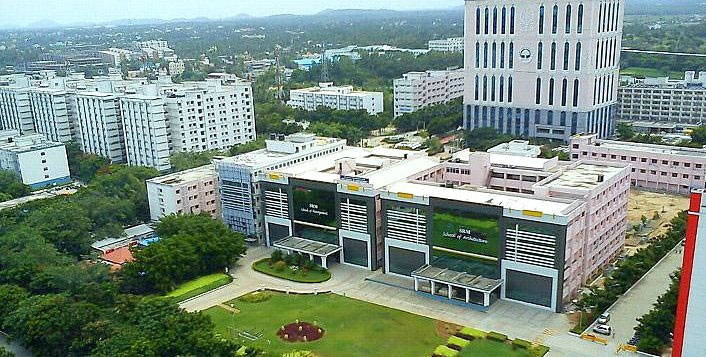
Ph.D. in Chemical Engineering from SRM University: Eligibility, Entrance Exam, Fee Structure, Admission Process, Subjects, Research Areas, Syllabus, Scholarship & Career Scope
Introduction about Ph.D. in Chemical Engineering at SRM University
SRM University has emerged as a beacon for advanced research in chemical engineering, offering a robust Ph.D. Chemical Engineering program that blends cutting?edge laboratory work with interdisciplinary collaboration. Designed for professionals who aspire to lead innovation in process engineering, materials development, and sustainable technologies, the doctorate equips candidates with the analytical rigor and entrepreneurial mindset required in today?s global market.
Eligibility Criteria for Ph.D. in Chemical Engineering at SRM University
- Master?s degree (M.E., M.Tech., M.Sc.) in Chemical Engineering or a closely related discipline with a minimum of 55% aggregate (or equivalent CGPA).
- Candidates holding a Bachelor?s degree with at least 65% may also apply if they have published a peer?reviewed research paper.
- Valid GATE score (Chemical Engineering) is preferred but not mandatory.
- English proficiency (IELTS/TOEFL) for international applicants.
- Eligibility for those with a professional background in petrochemicals, pharmaceuticals, or renewable energy who meet the academic threshold.
Entrance Exam for Ph.D. in Chemical Engineering at SRM University
SRM University conducts a two?stage entrance process:
- Written Test: 60 multiple?choice questions covering core chemical engineering concepts, research methodology, and quantitative aptitude.
- Interview & Presentation: Candidates present a research proposal, followed by a technical interview to assess depth of knowledge and suitability for the department?s research themes.
Applicants with a valid GATE score may be exempted from the written test and proceed directly to the interview stage.
Fee Structure for Ph.D. in Chemical Engineering at SRM University
| Category | Annual Fee (INR) | Notes |
|---|---|---|
| General Category (Indian) | 1,40,000 | Includes tuition, lab charges, and library access. |
| OBC/SC/ST Category (Indian) | 1,05,000 | Reduced fee as per government reservation policy. |
| International Students | 2,25,000 | Higher fee covers additional support services. |
| Scholarship/Assistantship | Waiver up to 100% | Based on merit and research funding. |
Admission Process for Ph.D. in Chemical Engineering at SRM University
The admission workflow is streamlined to attract high?potential researchers:
- Online Application: Submit the application form, academic transcripts, and a brief research proposal through the university portal.
- Document Verification: Upload scanned copies of certificates, GATE score (if any), and English proficiency proof.
- Entrance Evaluation: Appear for the written test or submit GATE score for exemption.
- Interview & Proposal Review: A faculty panel evaluates the research proposal and conducts a personal interview.
- Final Offer & Enrollment: Admission letter issued, followed by fee payment and registration for the first semester.
Ph.D. Subjects and Specializations in Chemical Engineering at SRM University
Students can tailor their doctoral research to one of the following specializations:
- Process Systems Engineering
- Advanced Materials & Nanotechnology
- Renewable Energy & Sustainable Processes
- Biochemical Engineering
- Computational Fluid Dynamics & Modelling
- Catalysis and Reaction Engineering
Research Areas in Chemical Engineering at SRM University
The department?s research ecosystem thrives on interdisciplinary collaboration with industry and national laboratories. Core research domains include:
- Green Chemistry: Development of eco?friendly solvents and waste?minimization strategies.
- Carbon Capture & Utilization: Innovative membranes and sorbents for CO? sequestration.
- Energy Storage: Battery electrolytes, fuel cells, and supercapacitors.
- Pharmaceutical Process Optimization: Scale?up of bioreactors and continuous manufacturing.
- Data?Driven Process Design: Machine learning applications for predictive process control.
Documents Required for Ph.D. in Chemical Engineering at SRM University
| Document | Details/Format |
|---|---|
| Academic Transcripts | Official mark sheets of all previous degrees (PDF, scanned). |
| Degree Certificates | Original certificates with verified copies. |
| GATE Score Card | Only if applicable; otherwise leave blank. |
| Research Proposal | 2?3 page document outlining objectives, methodology, and expected outcomes. |
| Curriculum Vitae | Professional CV highlighting research experience, publications, and patents. |
| English Proficiency Proof | IELTS/TOEFL score for non?native speakers. |
| Letter of Recommendation | Two academic/industry references in PDF format. |
SRM University Ph.D. Syllabus for Chemical Engineering
The doctoral curriculum balances coursework with research milestones:
- Core Courses (Year 1): Advanced Thermodynamics, Transport Phenomena, Reaction Engineering, Research Methodology, and Statistical Analysis.
- Elective Modules (Year 1?2): Topics such as Process Optimization, Sustainable Materials, Computational Modelling, and Bioprocess Engineering.
- Comprehensive Exams: Conducted at the end of Year 2 to assess mastery of core concepts.
- Thesis Research: Original contribution to chosen specialization, documented in a peer?reviewed dissertation.
How To Apply for Ph.D. in Chemical Engineering at SRM University
Follow these steps to submit a successful application:
- Visit the official SRM University admissions portal and create an account.
- Complete the online application form, ensuring accurate personal and academic details.
- Upload the required documents (refer to the ?Documents Required? table).
- Pay the non?refundable application fee of INR 2,500 online.
- Schedule the written test (if applicable) and prepare your research proposal for the interview.
- Track application status through the portal and respond promptly to any additional information requests.
Need expert assistance? Consider professional PhD Admission Assistance to streamline the process.
Career Scope and Job Opportunities After Ph.D. in Chemical Engineering from SRM University
A doctorate from SRM University opens doors to high?impact careers:
- Academic Roles: Assistant Professor, Research Fellow, Department Head.
- Industry Leadership: R&D Manager, Process Development Engineer, Innovation Director in sectors like petrochemicals, pharmaceuticals, and renewable energy.
- Consultancy & Entrepreneurship: Start?up founder, technical consultant for sustainability projects, or policy advisor for governmental agencies.
- Research Institutes: Senior Scientist positions at CSIR, DRDO, BARC, and international laboratories.
According to recent placement data, SRM Ph.D. alumni enjoy an average starting salary of INR 12?15 lakhs per annum, with rapid growth linked to patents and publications.
Scholarship for Ph.D. in Chemical Engineering at SRM University
Financial support is available through multiple channels:
- University Merit Scholarships: Up to 100% tuition waiver for candidates with a CGPA above 8.5/10.
- Research Assistantships: Stipends ranging from INR 25,000 to 35,000 per month, tied to project funding.
- External Grants: Opportunities from the Department of Science & Technology (DST), Indian Oil Corporation, and international bodies like the Fulbright Program.
Applicants are encouraged to explore Research Publication Support services to strengthen their scholarship proposals.
FAQs Regarding Ph.D. in Chemical Engineering at SRM University
- 1. What is the minimum duration to complete the Ph.D.?
- The program is designed for a minimum of 3 years, with a maximum of 5 years allowed for completion.
- 2. Can I pursue the Ph.D. part?time while working?
- Yes, SRM University offers a flexible part?time mode for working professionals, subject to faculty approval.
- 3. Is there a requirement for publications before enrollment?
- While not mandatory, having at least one peer?reviewed paper significantly strengthens the application.
- 4. How are research topics allocated?
- Students propose a topic; after approval, a faculty supervisor is assigned based on expertise alignment.
- 5. Are there provisions for international collaborations?
- SRM




