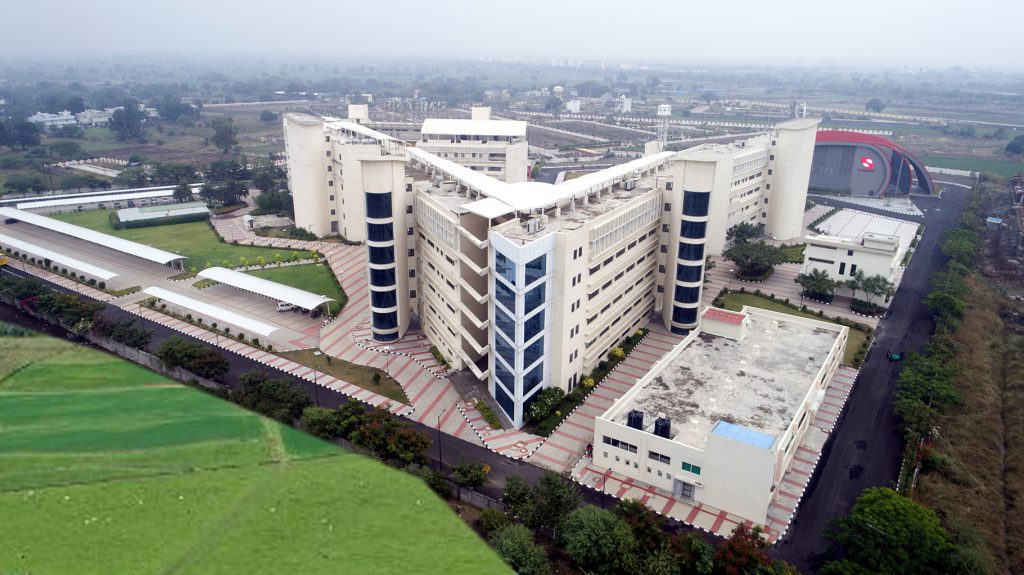
Ph.D. in Chemical Engineering from Symbiosis University of Applied Sciences: Eligibility, Entrance Exam, Fee Structure, Admission Process, Subjects, Research Areas, Syllabus, Scholarship & Career Scope
Introduction about Ph.D. in Chemical Engineering at Symbiosis University of Applied Sciences
Embarking on a doctoral journey in Chemical Engineering at Symbiosis University of Applied Sciences opens doors to pioneering research, industry collaborations, and leadership roles in the chemical and process industries. The program is meticulously designed for professionals who aspire to transform scientific insights into sustainable solutions, leveraging state?of?the?art laboratories, interdisciplinary faculty, and a vibrant research ecosystem. Whether your passion lies in catalysis, renewable energy, or advanced materials, this Ph.D. equips you with the analytical rigor and innovative mindset required to excel in academia, R&D, and strategic management.
Eligibility Criteria for Ph.D. in Chemical Engineering at Symbiosis University of Applied Sciences
Prospective candidates must satisfy the following baseline requirements:
- A master?s degree (M.Tech, MSc, or equivalent) in Chemical Engineering, Chemistry, Materials Science, or a closely related discipline with a minimum aggregate of 55% (50% for SC/ST/PH).
- Valid GATE or NET score is preferred but not mandatory; candidates may also qualify through the university?s internal screening.
- Demonstrated research aptitude through publications, project work, or professional experience.
- English language proficiency (IELTS 6.0 or TOEFL 80) for international applicants.
Entrance Exam for Ph.D. in Chemical Engineering at Symbiosis University of Applied Sciences
The university conducts a two?stage entrance assessment:
- Written Test: 100?minute objective and descriptive questions covering core chemical engineering concepts, quantitative aptitude, and research methodology.
- Interview & VIVA: A panel interview evaluates the candidate?s research proposal, motivation, and communication skills.
Applicants with a valid GATE/NET score are exempted from the written test but must attend the interview.
Fee Structure for Ph.D. in Chemical Engineering at Symbiosis University of Applied Sciences
| Component | Annual Fee (INR) | Notes |
|---|---|---|
| Tuition & Laboratory Charges | 1,20,000 | Includes access to all research facilities. |
| Registration & Examination Fees | 20,000 | One?time payment at admission. |
| Library & Digital Resources | 10,000 | Full access to journals and e?books. |
| Miscellaneous (Student Services, Workshops) | 5,000 | Annual estimate. |
| Total Approx. Annual Cost | 1,55,000 | Subject to revision each academic year. |
Scholarships, research grants, and teaching assistantships can significantly reduce the financial burden.
Admission Process for Ph.D. in Chemical Engineering at Symbiosis University of Applied Sciences
- Online Application Submission through the university portal.
- Upload scanned copies of academic transcripts, GATE/NET scorecard (if any), and a detailed research proposal (max 1500 words).
- Payment of the non?refundable application fee (?2,500).
- Shortlisting based on eligibility and research proposal.
- Attend the written test (if required) and subsequent interview.
- Receive the admission offer letter and complete enrollment formalities.
Ph.D. Subjects and Specializations in Chemical Engineering at Symbiosis University of Applied Sciences
Students can tailor their doctoral research across the following specializations:
- Process Systems Engineering
- Catalysis and Reaction Engineering
- Polymer Science & Engineering
- Renewable Energy & Sustainable Fuels
- Nanomaterials & Advanced Coatings
- Biochemical Engineering & Fermentation Technology
Research Areas in Chemical Engineering at Symbiosis University of Applied Sciences
The university?s research agenda aligns with global challenges and industry demands. Key areas include:
- Carbon Capture, Utilization, and Storage (CCUS)
- Electro?chemical Energy Storage Systems
- Bioplastic Development and Degradation Pathways
- Process Intensification and Miniaturization
- AI?Driven Process Optimization
- Waste Valorization and Circular Economy Models
Collaborations with leading chemical firms and research councils provide students with exposure to real?world projects.
Documents Required for Ph.D. in Chemical Engineering at Symbiosis University of Applied Sciences
| Document | Format | Remarks |
|---|---|---|
| Academic Transcripts & Degree Certificates | PDF (Scanned) | All semesters in chronological order. |
| GATE/NET Scorecard (if applicable) | Original score copy. | |
| Research Proposal | Word/PDF | Maximum 1500 words, include objectives and methodology. |
| Curriculum Vitae | Highlight publications, patents, and project experience. | |
| Letter of Recommendation (2) | From academic or industry supervisors. | |
| Proof of English Proficiency | IELTS/TOEFL for foreign candidates. |
Symbiosis University of Applied Sciences Ph.D. Syllabus for Chemical Engineering
The syllabus blends foundational coursework with research milestones:
- Core Modules (Year 1): Advanced Thermodynamics, Transport Phenomena, Reaction Engineering, Process Control.
- Methodology Workshops: Statistical Data Analysis, Scientific Writing, Patent Filing.
- Research Milestones: Literature Review, Experimental Design, Data Acquisition, Thesis Drafting.
- Electives (Year 2?3): Choose 2?3 from the specialization list to complement your thesis.
Students are encouraged to use professional support services such as Thesis and Dissertation Writing Services and Research Data Analysis Services to enhance the quality of their research deliverables.
How To Apply for Ph.D. in Chemical Engineering at Symbiosis University of Applied Sciences
Follow these steps to submit a successful application:
- Visit the official Ph.D. Admissions Portal and create a user account.
- Complete the online application form, selecting ?Chemical Engineering? as your program.
- Upload all mandatory documents (refer to the Documents Required table).
- Pay the application fee via Net Banking, Credit Card, or UPI.
- Submit the application and note the generated Application ID for future correspondence.
- Monitor your email for invitation to the written test or interview.
Career Scope and Job Opportunities After Ph.D. in Chemical Engineering from Symbiosis University of Applied Sciences
Graduates enjoy a broad spectrum of career paths:
- Academic Positions: Assistant Professor, Research Fellow, Department Head.
- Industrial R&D: Senior Scientist, Process Development Engineer, Innovation Lead in petrochemical, pharmaceutical, or renewable energy firms.
- Consultancy & Advisory: Technical Consultant for governmental agencies, policy think?tanks, or multinational corporations.
- Entrepreneurship: Founding start?ups focused on green technologies, nanomaterial applications, or process optimization platforms.
- Research Agencies: Positions at CSIR, DRDO, ISRO, or international research labs.
To strengthen your publication portfolio, consider availing Research Paper Writing Services. Additionally, for systematic data collection, Questionnaire Design and Development can be instrumental in survey?based studies.
Scholarship for Ph.D. in Chemical Engineering at Symbiosis University of Applied Sciences
The university offers merit?based and need?based scholarships, including:
- Symbiosis Excellence Scholarship: Covers up to 75% of tuition for top 10% of candidates.
- Industry Sponsored Fellowship: Partners such as Reliance, Tata Chemicals fund research projects and provide stipends.
- Government Grants: UGC?CSIR JRF and AICTE?PG scholarships are available for eligible Indian nationals.
- Research Assistantship: Paid assistantship for teaching or project work, typically ?15




