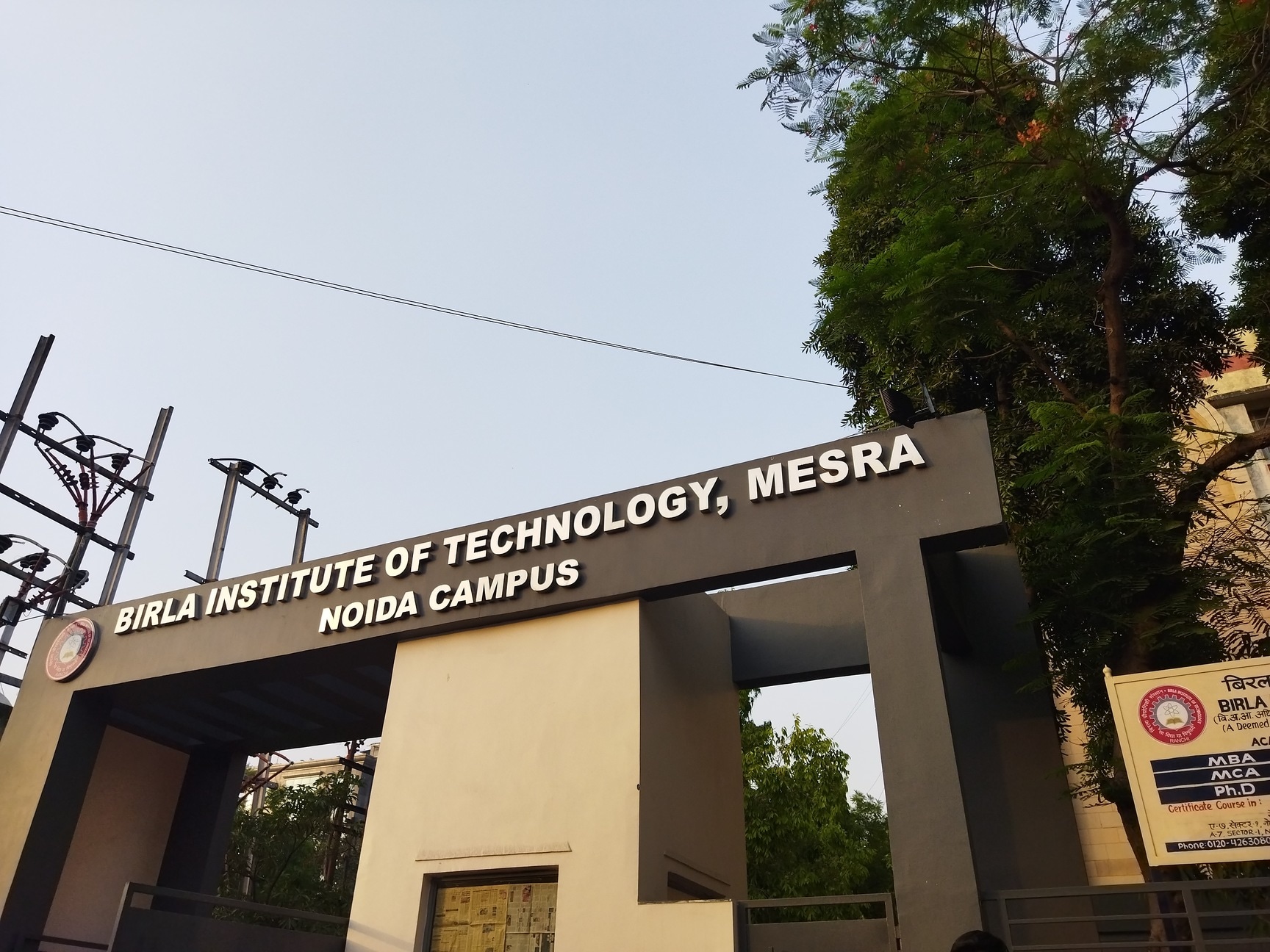
Ph.D. in Civil Engineering from Birla Institute of Technology: Eligibility, Entrance Exam, Fee Structure, Admission Process, Subjects, Research Areas, Syllabus, Scholarship & Career Scope
Introduction about Ph.D. in Civil Engineering at Birla Institute of Technology
The Birla Institute of Technology (BIT) stands as a beacon of engineering excellence in India. Its Ph.D. in Civil Engineering program is meticulously designed for experienced professionals, academicians, and innovators who aspire to lead groundbreaking research in structural analysis, transportation engineering, geotechnics, water resources, and sustainable construction. By integrating rigorous coursework with cutting‑edge laboratory facilities, BIT empowers scholars to translate theory into real‑world solutions that shape modern infrastructure.
Eligibility Criteria for Ph.D. in Civil Engineering at Birla Institute of Technology
- Academic Qualification: A Master’s degree (M.Tech, M.Sc., M.E.) in Civil Engineering or a closely related discipline with a minimum of 55% aggregate (or CGPA 6.0/10). Candidates with a B.E./B.Tech (first division) may also be considered on a case‑by‑case basis.
- National Eligibility Test (NET) / GATE: Qualifying NET or GATE in Civil Engineering is preferred but not mandatory if the candidate possesses a strong research proposal and publication record.
- Research Experience: Demonstrated experience through research projects, conference papers, or publications enhances eligibility.
- Age Limit: No upper age restriction; however, candidates must meet the minimum age of 21 years.
- English Proficiency: For international applicants, a minimum IELTS score of 6.0 or TOEFL iBT 80 is required.
Entrance Exam for Ph.D. in Civil Engineering at Birla Institute of Technology
BIT conducts a two‑stage selection process:
- Written Test: A 100‑question objective examination covering core civil engineering concepts, research methodology, and analytical skills. The test lasts 2 hours.
- Interview & Presentation: Shortlisted candidates present their research proposal before a panel of faculty experts. The interview evaluates research aptitude, motivation, and alignment with BIT’s focus areas.
Prospective scholars can also submit their research proposal directly for a “Direct Interview” mode if they hold a valid NET/GATE score or have published at least two peer‑reviewed papers.
Fee Structure for Ph.D. in Civil Engineering at Birla Institute of Technology
| Component | Annual Fee (INR) | Notes |
|---|---|---|
| Tuition & Lab Charges | ₹ 45,000 | Includes access to labs, software licenses, and library resources. |
| Research Project Grant (Optional) | ₹ 25,000 | Provided for project materials, field work, and data collection. |
| Administrative & Examination Fee | ₹ 10,000 | Covers registration, viva voce, and certification. |
| Total Approximate Annual Cost | ₹ 80,000 | Subject to revision each academic year. |
Financial aid options, scholarships, and research assistantships are available for deserving candidates. Students can also explore external funding agencies and industry-sponsored projects.
Admission Process for Ph.D. in Civil Engineering at Birla Institute of Technology
- Online Application Submission through BIT’s portal (last date: first week of June).
- Upload scanned copies of academic transcripts, NET/GATE scorecard (if any), research proposal, and two letters of recommendation.
- Pay the non‑refundable application fee of ₹ 2,000 via net banking or credit card.
- Shortlisted candidates receive an email invitation for the written test and/or direct interview.
- After successful evaluation, a provisional admission letter is issued, followed by fee payment and enrollment.
Ph.D. Subjects and Specializations in Civil Engineering at Birla Institute of Technology
BIT offers a diverse set of research specializations to match industry demands and emerging trends:
- Structural Dynamics & Earthquake Engineering
- Advanced Concrete Materials & Smart Composites
- Transportation Planning & Intelligent Traffic Systems
- Geotechnical Engineering & Soil‑Structure Interaction
- Water Resources Management & Hydraulic Modelling
- Construction Management & Sustainable Building Practices
- Environmental Impact Assessment & Green Infrastructure
Research Areas in Civil Engineering at Birla Institute of Technology
Faculty members are actively engaged in nationally funded projects covering:
- Resilient infrastructure for climate‑change adaptation.
- Use of nano‑technology in cementitious materials.
- Data‑driven traffic optimization using AI and IoT.
- Seismic retrofitting of heritage structures.
- Smart water distribution networks and flood prediction models.
- Lifecycle assessment of construction processes.
Students may collaborate with industry partners such as L&T, ISRO, and the Ministry of Road Transport & Highways for applied research. For comprehensive dissertation support, candidates often rely on Thesis and Dissertation Writing Services.
Documents Required for Ph.D. in Civil Engineering at Birla Institute of Technology
| Document | Format | Remarks |
|---|---|---|
| Application Form (online) | PDF/HTML | Complete all mandatory fields. |
| Academic Transcripts & Degree Certificates | PDF (scanned) | Include 10‑year mark sheets. |
| NET / GATE Scorecard (if applicable) | Original scorecard copy. | |
| Research Proposal (max 2,500 words) | Clearly define objectives, methodology, and expected outcomes. | |
| Two Letters of Recommendation | PDF (signed) | From academic supervisors or industry mentors. |
| Passport‑size Photograph | JPEG/PNG (300 dpi) | White background. |
| Proof of Identity (Aadhaar / Passport) | Government‑issued ID. |
Birla Institute of Technology Ph.D. Syllabus for Civil Engineering
The syllabus blends core coursework with intensive research modules:
- Research Methodology & Scientific Writing
- Advanced Structural Analysis
- Finite Element Modeling
- Geotechnical Investigation Techniques
- Hydrology & Water Resources Engineering
- Construction Project Management
- Seminar Series & Guest Lectures
- Thesis Work (minimum 3 published papers)
Students may also leverage Research Data Analysis Services for sophisticated statistical modeling and data interpretation.</p




