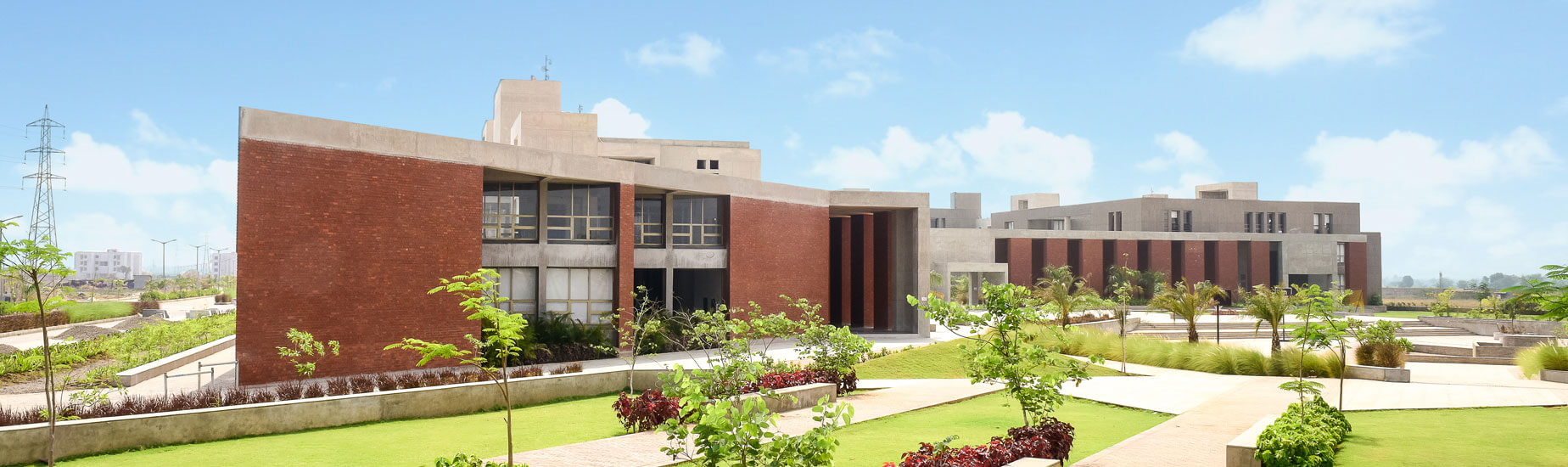
Ph.D. in Civil Engineering from P. P. Savani University: Eligibility, Entrance Exam, Fee Structure, Admission Process, Subjects, Research Areas, Syllabus, Scholarship & Career Scope
Introduction about Ph.D. in Civil Engineering at P. P. Savani University
The Doctor of Philosophy (Ph.D.) in Civil Engineering at P. P. Savani University is designed for ambitious professionals who aspire to push the frontiers of infrastructure, sustainability, and smart city development. This research‑intensive program blends rigorous coursework with cutting‑edge laboratory work, enabling candidates to contribute original knowledge to areas such as structural dynamics, geotechnical engineering, transportation systems, and environmental fluid mechanics. With a vibrant faculty, state‑of‑the‑art facilities, and strong industry collaborations, the university offers an inspiring environment for scholars aiming to become thought leaders, consultants, or academic pioneers.
Ph.D Admission 2026-2027 & Writing Support Services by Shiksha Research
Eligibility Criteria for Ph.D. in Civil Engineering at P. P. Savani University
- A Master’s degree (M.Tech, M.E., M.Sc.) in Civil Engineering or a closely related discipline from a recognized university.
- Minimum aggregate of 55% (or CGPA equivalent) in the qualifying postgraduate degree.
- For candidates with a Bachelor’s degree (B.Tech/M.Tech) recognized under the UGC’s “Direct Ph.D.” provision, a minimum of 60% is required.
- Qualifying scores in national level exams such as GATE, CSIR NET, or university‑conducted entrance test.
- Proficiency in English (IELTS/TOEFL not mandatory for Indian candidates; optional for foreign scholars).
Entrance Exam for Ph.D. in Civil Engineering at P. P. Savani University
The university conducts its own Ph.D. Entrance Examination annually. The exam evaluates:
- Fundamental concepts in structural analysis, fluid mechanics, and soil mechanics.
- Research aptitude and analytical reasoning.
- English language proficiency.
Applicants who have qualified GATE (Civil Engineering) or CSIR NET are exempted from the written test but must appear for a personal interview and proposal presentation.
Fee Structure for Ph.D. in Civil Engineering at P. P. Savani University
| Component | Annual Fee (INR) | One‑Time Charges |
|---|---|---|
| Tuition & Laboratory Fees | 85,000 | — |
| Research & Project Funding (subsidized) | 12,000 | — |
| Library & Digital Resources | 4,000 | — |
| Registration & Administration | — | 15,000 |
| Hostel & Mess (Optional) | — | 30,000 (per annum) |
| Total Approximate Cost (3‑Year Program) | 3 × 101,000 = 303,000 | 45,000 (initial) |
Scholarships, research grants, and teaching assistantships can substantially reduce the payable amount.
Admission Process for Ph.D. in Civil Engineering at P. P. Savani University
- Online Application: Submit the application form through the university portal along with scanned certificates.
- Document Verification: Upload academic transcripts, GATE/NET scores, and a research proposal (maximum 1500 words).
- Entrance Examination / Interview: Appear for the written test (if applicable) followed by a personal interview with the faculty panel.
- Selection & Offer Letter: Successful candidates receive an official admission letter and details of the fee payment schedule.
- Enrollment & Orientation: Complete enrollment, pay the first installment, and attend the orientation program.
Ph.D. Subjects and Specializations in Civil Engineering at P. P. Savani University
The Ph.D. program offers deep specialization in the following domains:
- Structural Engineering & Earthquake‑Resistant Design
- Geotechnical Engineering & Soil‑Structure Interaction
- Transportation Engineering & Intelligent Mobility Systems
- Water Resources Engineering & Hydraulic Modelling
- Environmental Engineering & Sustainable Construction Materials
- Construction Management & Digital Construction Technologies
Research Areas in Civil Engineering at P. P. Savani University
Faculty‑guided research clusters focus on high‑impact problems:
- Smart Infrastructure and IoT‑enabled Sensors for Real‑Time Monitoring.
- High‑Performance Concrete and Green Building Materials.
- Advanced Computational Fluid Dynamics for River Basin Management.
- Seismic Retro‑fitting of Heritage Structures.
- Urban Traffic Flow Optimization using AI and Machine Learning.
- Waste‑to‑Resource Strategies in Construction Projects.
Documents Required for Ph.D. in Civil Engineering at P. P. Savani University
| Document | Details / Format |
|---|---|
| Application Form | Online submission with electronic signature. |
| Academic Transcripts | Original & attested copies of all degree certificates. |
| GATE/CSIR NET Score Card | Valid for the current admission cycle. |
| Research Proposal | 1500‑word document outlining objectives, methodology, and expected outcomes. |
| Curriculum Vitae (CV) | Professional format, highlighting publications and projects. |
| Two Academic References | Letters on university letterhead, signed and sealed. |
| Identity Proof | Aadhaar / Passport copy. |
P. P. Savani University Ph.D. Syllabus for Civil Engineering
The doctoral syllabus is structured into three phases:
- Phase I – Core Coursework (6 months): Advanced topics in structural dynamics, soil mechanics, and research methodology.
- Phase II – Comprehensive Exam (3 months): Written and oral examinations covering core and elective subjects.
- Phase III – Thesis Research (24–30 months): Original research, periodic progress reviews, and final viva‑voce.
Students may also enroll in elective modules such as Data Analytics for Civil Engineers or Renewable Energy Integration in Infrastructure to broaden their skill set.
How To Apply for Ph.D. in Civil Engineering at P. P. Savani University
Follow these step‑by‑step instructions to submit a successful application:
- Visit the official university website and navigate to the Ph.D. Admissions portal.
- Create a user account and fill in personal, academic, and contact details.
- Upload scanned copies of required documents (as listed in the Documents Required table).
- Enter the research proposal in the designated text box or attach it as a PDF.
- Pay the non‑refundable application fee (INR 2,500) via net banking or credit card.
- Submit the form and note the application reference number for future correspondence.
- Monitor email for invitations to the entrance exam or interview.
Career Scope and Job Opportunities After Ph.D. in Civil Engineering from P. P. Savani University
Graduates enjoy a broad spectrum of career pathways:
- Academic Positions: Assistant Professor, Associate Professor, or Research Fellow at leading universities.
- Industry R&D: Senior Engineer, Project Scientist, or Technical Lead in construction, transportation, and consulting firms.
- Government & Policy: Roles in ministries of urban development, water resources, and disaster management.
- Entrepreneurship: Start‑ups focused on sustainable building materials, smart monitoring systems, or AI‑driven infrastructure analytics.
- International Opportunities: Research collaborations with global institutes and participation in multinational engineering projects.
According to recent placement reports, the average first‑year salary for Ph.D. graduates in civil engineering ranges from INR 12–18 lakhs, with top performers securing offers above INR 20 lakhs.
Scholarship for Ph.D. in Civil Engineering at P. P. Savani University
The university offers merit‑based and need‑based scholarships, including:
- University Merit Scholarship: 50% tuition waiver for candidates scoring above 85% in their postgraduate degree.
- Research Assistantship: Stipend of INR 15,000 per month plus a research grant of INR 2,00,000 per year.
- External Fellowships: Eligibility for CSIR‑JRF, UGC‑NET, and project‑funded scholarships from agencies like AICTE and Ministry of Housing.
Applicants are encouraged to explore Editing and Proofreading Services to polish their research proposals and maximize scholarship chances.
FAQs Regarding Ph.D. in Civil Engineering at P. P. Savani University
- Q1: Can I pursue a Ph.D. directly after a B.Tech in Civil Engineering?
- A: Yes, if you have a minimum of 60% aggregate and meet the university’s direct Ph.D. criteria, you may apply without a Master’s degree.
- Q2: Is there a provision for part‑time Ph.D. for working professionals?
- A: The university offers a flexible part‑time option that extends the duration to 6 years, with weekend seminars and online coursework.
- Q3: How long does the admission process typically take?
- A: From application submission to enrollment, the process takes 4–6 weeks, provided all documents are in order.
- Q4: What




