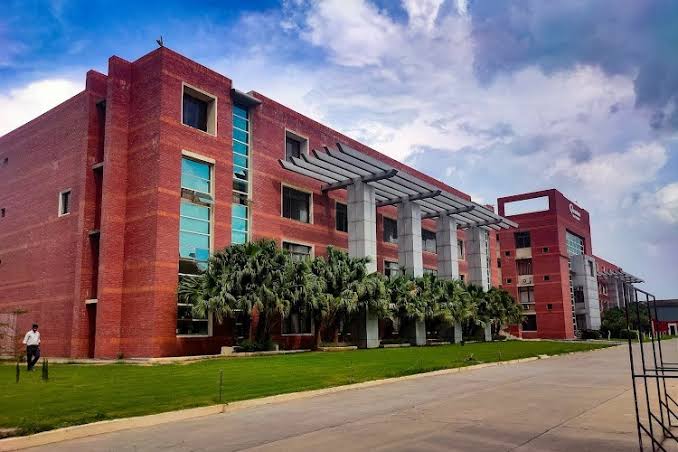
Ph.D. in Civil Engineering from Quantum University: Eligibility, Entrance Exam, Fee Structure, and Career Scope
Introduction about Ph.D. in Civil Engineering at Quantum University
Embarking on a journey toward a Ph.D. in Civil Engineering at Quantum University is a transformative step for professionals aiming to redefine infrastructure, sustainability, and urban development. In an era where engineering paradigms are shifting toward smart cities and resilient structures, Quantum University stands as a beacon of academic excellence and research-driven innovation. This doctoral program is designed to nurture critical thinkers who can address complex global engineering challenges through rigorous experimentation and analytical advancement.
[Slider: Highlighting state-of-the-art labs, research centers, and lush green campus of Quantum University]
For research scholars navigating the complexities of their doctoral journey, professional support remains essential. Many scholars utilize Thesis and Dissertation Writing Services to ensure their academic contributions are structured according to global standards. As you delve into experimental studies, you may also benefit from Research Data Analysis Services to validate your findings accurately.
Eligibility Criteria for Ph.D. in Civil Engineering at Quantum University
To qualify for the program, candidates must possess a Master?s degree in Civil Engineering or a closely allied discipline from a recognized University/Institution. A minimum of 55% aggregate marks (or equivalent CGPA) is generally required. Relaxation of 5% is provided to SC/ST/OBC (non-creamy layer) and differently-abled candidates as per government regulations.
Entrance Exam for Ph.D. in Civil Engineering at Quantum University
Admission is based on a structured entrance examination conducted by the university. The test evaluates the candidate?s research aptitude, logical reasoning, and domain knowledge in Civil Engineering. Candidates who have qualified for national-level fellowships such as UGC-NET (including JRF), CSIR-NET, or GATE may be exempted from the written entrance exam, moving directly to the personal interview stage.
Fee Structure for Ph.D. in Civil Engineering at Quantum University
Quantum University maintains a competitive and transparent fee structure to support dedicated researchers. Below is a representative table of the components involved:
| Fee Component | Description |
|---|---|
| Registration Fee | One-time payment upon admission |
| Annual Tuition Fee | Payable at the start of every academic year |
| Research/Lab Fee | Covers access to specialized software and laboratory equipment |
| Thesis Submission Fee | Final fee at the conclusion of the program |
Admission Process for Ph.D. in Civil Engineering at Quantum University
The admission process involves the submission of a preliminary research proposal, which is a critical step in your application. For those requiring assistance in formulating the foundational survey, Research Paper Writing Services are often sought after to refine the literature review. The admission cycle typically follows a two-tier verification: a qualifying entrance test followed by a comprehensive interview conducted by a panel of Subject Matter Experts.
Ph.D. Subjects and Specializations in Civil Engineering at Quantum University
The curriculum is designed to offer deep insights into modern engineering. The program covers areas such as Advanced Structural Analysis, Geotechnical Engineering, Environmental Management, Construction Technology, and Sustainable Infrastructure Planning.
Research Areas in Civil Engineering at Quantum University
Research is the heart of the program at Quantum University. Key areas include:
- Structural Health Monitoring and Seismic Retrofitting
- Advanced Concrete Technology and Sustainable Materials
- Smart Irrigation and Hydrological Modelling
- Urban Traffic Flow Optimization and Transportation Planning
Documents Required for Ph.D. in Civil Engineering at Quantum University
Applicants must organize their credentials, including Master?s degree transcripts, migration certificates, government-issued photo ID, and a statement of purpose. If your research involves primary data collection, ensuring proper Questionnaire Design and Development is vital for your research methodology section.
Quantum University Ph.D. Syllabus for Civil Engineering
The syllabus is divided into coursework and research core. Coursework encompasses Research Methodology, Quantitative Techniques, Review of Literature, and specialized electives relevant to the candidate's thesis topic.
How To Apply for Ph.D. in Civil Engineering at Quantum University
Candidates can apply via the official university portal. The process involves registering, uploading the required documents, paying the application fee, and scheduling the entrance exam slot.
Career Scope and Job Opportunities After Ph.D. in Civil Engineering from Quantum University
A Ph.D. opens doors to top-tier roles in Academia as Professors, Lead Scientists in Research & Development organizations, Consultant roles in international infrastructure firms, and advisory positions in governmental policy-making bodies.
Scholarship for Ph.D. in Civil Engineering at Quantum University
Quantum University offers merit-based scholarships and fellowship stipends to full-time research scholars who demonstrate exceptional academic performance and research potential, subject to specific university policies.
FAQs Regarding Ph.D. in Civil Engineering at Quantum University
Q1: Is the Ph.D. program part-time or full-time?
A1: The university offers both modes, subject to approval from the research board.
Q2: Can I get a scholarship?
A2: Yes, scholarships are awarded to meritorious students based on entrance scores and research proposals.
Q3: How long does the program take to complete?
A3: As per UGC guidelines, the minimum duration is generally three years, including coursework.




