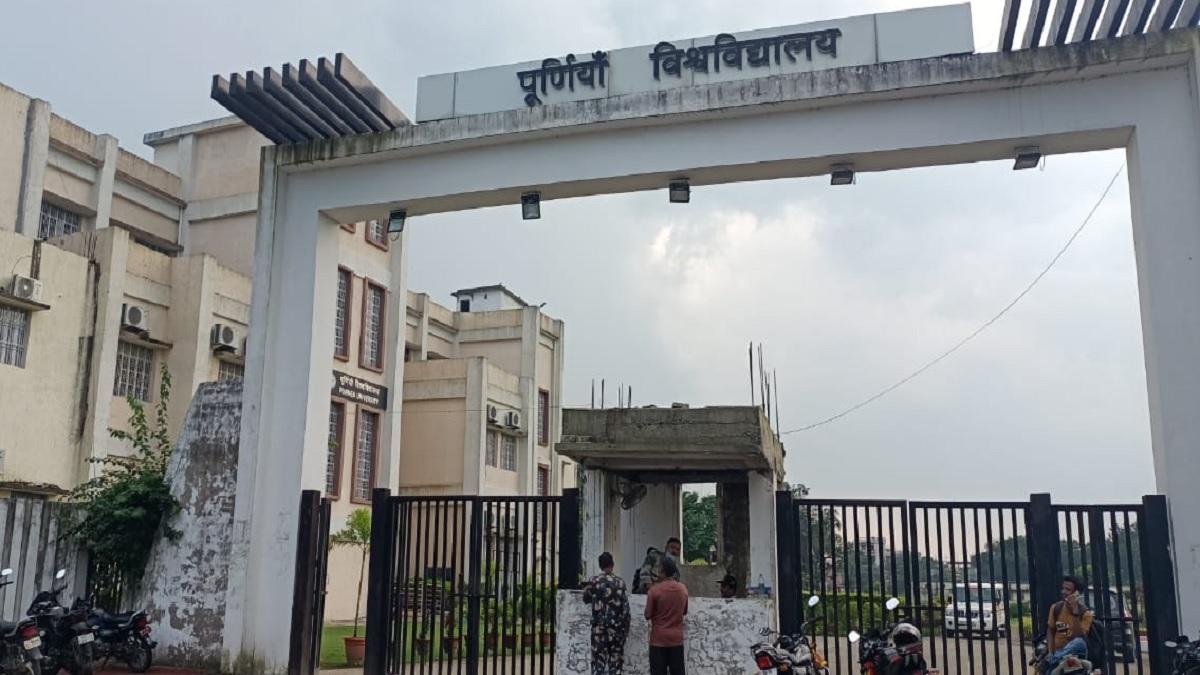
Ph.D. in Economics from Purnea University: Eligibility, Entrance Exam, Fee Structure, Admission Process, Subjects, Research Areas, Syllabus, Scholarship & Career Scope
Introduction about Ph.D. in Economics at Purnea University
Embarking on a doctoral journey in Economics at Purnea University opens doors to cutting‑edge research, policy influence, and academic leadership. Designed for seasoned professionals and scholars, the program blends rigorous theoretical foundations with real‑world applications, empowering graduates to become change‑makers in finance, public policy, and international development. Whether your ambition lies in university teaching, think‑tank analysis, or strategic consultancy, a Ph.D. from Purnea University equips you with the analytical prowess and scholarly credibility to excel.
Eligibility Criteria for Ph.D. in Economics at Purnea University
- Master’s degree in Economics or a closely related discipline with a minimum of 55% aggregate (or 5.5 CGPA) from a recognized university.
- Qualifying scores in national or state‑level entrance examinations such as UGC‑NET, CSIR‑NET, or the university’s own Ph.D. test.
- For candidates holding a Ph.D. in another discipline, a minimum of two years of research experience or publications in reputable journals is preferred.
- Age limit: No upper age restriction; however, candidates must meet the academic and research criteria.
Entrance Exam for Ph.D. in Economics at Purnea University
The university conducts its own Ph.D. entrance test covering:
- Micro‑economics and macro‑economics theory.
- Quantitative methods, econometrics, and statistical analysis.
- Research methodology and academic writing skills.
Alternatively, a valid UGC‑NET or CSIR‑NET score is accepted, providing flexibility for working professionals who have already cleared national-level assessments.
Fee Structure for Ph.D. in Economics at Purnea University
| Fee Component | Annual Amount (INR) |
|---|---|
| Tuition & Examination Fee | 15,000 |
| Library & Laboratory Charges | 3,000 |
| Research Materials & Data Subscription | 5,000 |
| Student Activity & Welfare Fund | 2,000 |
| Total Approximate Fee | 25,000 |
Note: The university offers merit‑based fee waivers and scholarships for candidates with outstanding academic records or published research.
Admission Process for Ph.D. in Economics at Purnea University
- Online Application: Submit the application form through the university portal along with scanned copies of academic transcripts.
- Entrance Examination: Appear for the university’s Ph.D. test or upload a valid UGC‑NET/CSIR‑NET score.
- Interview & Proposal Review: Shortlisted candidates are invited for a personal interview and asked to present a research proposal.
- Admission Offer: Successful candidates receive an official admission letter and guidance on fee payment.
- Registration & Orientation: Complete registration, attend the orientation program, and begin coursework.
Ph.D. Subjects and Specializations in Economics at Purnea University
Students can tailor their doctoral studies to a wide range of specializations, including:
- Development Economics
- International Trade & Finance
- Environmental and Resource Economics
- Behavioral and Experimental Economics
- Public Policy and Fiscal Studies
- Quantitative Economics & Econometrics
Research Areas in Economics at Purnea University
The university’s research clusters focus on contemporary challenges that shape national and global economies:
- Rural Development and Agrarian Policies
- Digital Economy and FinTech Innovation
- Climate Change Economics
- Poverty Alleviation and Social Inclusion
- Healthcare Economics
- Economic Impact of Infrastructure Projects
Documents Required for Ph.D. in Economics at Purnea University
| Document | Details |
|---|---|
| Academic Transcripts | Original and certified copies of Master’s degree and any other relevant qualifications. |
| Entrance Exam Scorecard | UGC‑NET, CSIR‑NET, or university entrance test result. |
| Research Proposal | 500–800 word proposal outlining objectives, methodology, and expected contribution. |
| Curriculum Vitae | Professional and academic achievements, publications, and conference presentations. |
| Identity Proof | Aadhaar card, passport, or voter ID. |
| Letter of Recommendation | Two academic references from qualified faculty. |
Purnea University Ph.D. Syllabus for Economics
The syllabus is structured into three phases:
- Coursework (Year 1): Advanced Micro‑economics, Advanced Macroeconomics, Econometric Methods, Research Methodology, and Electives based on specialization.
- Comprehensive Examination (End of Year 1): Written and oral tests to evaluate mastery of core concepts.
- Dissertation (Years 2‑4): Original research, data collection, analysis, thesis writing, and defense before a panel of experts.
How To Apply for Ph.D. in Economics at Purnea University
Follow these steps to submit a successful application:
- Visit the official Purnea University website and navigate to the “Ph.D. Admissions” portal.
- Register using a valid email address and create a secure password.
- Complete the online form, upload required documents, and pay the nominal application fee of INR 1,000.
- Schedule the entrance examination or upload a valid UGC‑NET/CSIR‑NET score.
- Prepare and attach a concise research proposal (max 800 words).
- Submit the application and note the confirmation number for future correspondence.
After submission, monitor your email for updates on shortlisting, interview dates, and admission decisions.
Career Scope and Job Opportunities After Ph.D. in Economics from Purnea University
A doctoral degree in Economics unlocks a spectrum of high‑impact careers:
- Academic Positions: Assistant Professor, Associate Professor, or Full Professor in universities and colleges.
- Research Institutes & Think‑Tanks: Senior Economist, Research Fellow, Policy Analyst.
- Government & International Agencies: Economic Advisor, Planning Officer, Senior Analyst in ministries, RBI, World Bank, IMF.
- Corporate Sector: Chief Economist, Market Research Director, Data‑Driven Strategy Consultant.
- Financial Institutions: Risk Analyst, Portfolio Manager, Quantitative Analyst.
- Entrepreneurship: Founder of economic consultancy firms or data‑analytics startups.
Graduates also benefit from the university’s strong alumni network, which facilitates mentorship and placement opportunities worldwide.
Scholarship for Ph.D. in Economics at Purnea University
The university offers a range of financial assistance programs to support deserving candidates:
- Merit‑Based Scholarships: 50% tuition waiver for candidates with a first‑class Master’s degree and a high NET score.
- Research Grant: Annual stipend of INR 12,000 for fieldwork, data acquisition, and conference participation.
- Teaching Assistantship: Stipend of INR 8,000 per month plus exemption from tuition fees for students who assist in teaching undergraduate courses.
- External Fellowships: Guidance on applying for UGC‑JRF, CSIR‑JRF, and other government‑sponsored scholarships.
FAQs Regarding Ph.D. in Economics at Purnea University
- Q1: How long does it take to complete the Ph.D. program?
- A: The typical duration is 3‑4 years, depending on the research progress and publication requirements.
- Q2: Can working professionals enroll part‑time?
- A: Yes, the university offers a flexible part‑time mode with extended timelines for working candidates.
- Q3: Is there a requirement for publishing research papers before thesis submission?
- A: At least one paper in a peer‑reviewed journal is recommended, though not mandatory for graduation.
- Q4: Are there any language proficiency requirements?
- A: Since the medium of instruction is English, candidates must demonstrate proficiency, typically through prior academic work.
- Q5: What is the role of the university’s research labs?
- A: The labs provide access to econometric software (Stata, EViews, R), data repositories, and expert guidance for empirical studies.




