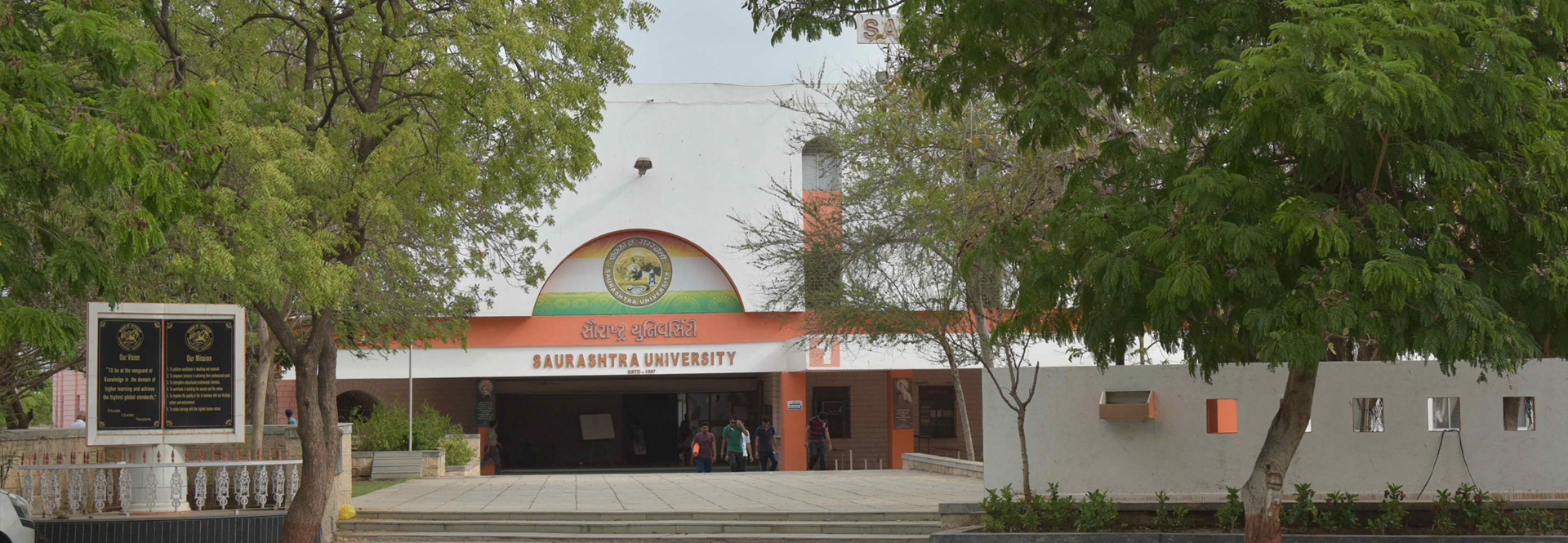
Ph.D. in Education from Saurashtra University: Eligibility, Entrance Exam, Fee Structure, Admission Process, Subjects, Research Areas, Syllabus, Scholarship & Career Scope
Introduction about Ph.D. in Education at Saurashtra University
The Doctor of Philosophy (Ph.D.) in Education at Saurashtra University is designed for passionate educators, policy analysts, and researchers who aspire to shape the future of learning environments across India and beyond. This program blends rigorous research methodology with contemporary educational theories, empowering professionals to contribute original knowledge to the field. Whether you aim to become a university professor, an education consultant, or a policy strategist, the Ph.D. in Education equips you with the analytical tools, scholarly depth, and leadership capabilities required for high‑impact careers.
Eligibility Criteria for Ph.D. in Education at Saurashtra University
- Academic Qualification: Master’s degree in Education or related discipline (e.g., Psychology, Sociology, Humanities) with a minimum of 55% marks (or equivalent CGPA).
- Qualifying Exam: Candidates who have cleared the National Eligibility Test (NET), UGC-CSIR or Saurashtra University Ph.D. Entrance Test are exempted from the written entrance exam.
- Age Limit: No upper age restriction, but candidates above 35 years may be asked to provide additional professional experience.
- Work Experience: While not mandatory, at least two years of relevant teaching, research, or educational administration experience strengthens the application.
Entrance Exam for Ph.D. in Education at Saurashtra University
The entrance examination evaluates candidates on research aptitude, pedagogical knowledge, and analytical skills. The test format includes:
- Section A – Research Methodology (30 marks): hypothesis formulation, data analysis, and literature review.
- Section B – Core Education Theory (40 marks): learning theories, curriculum design, and assessment strategies.
- Section C – General Aptitude & English (30 marks): logical reasoning and academic writing.
Preparation resources and mock papers are available on the university’s official portal. Successful candidates receive a merit‑based ranking that influences the subsequent admission interview.
Fee Structure for Ph.D. in Education at Saurashtra University
| Component | Amount (INR) | Remarks |
|---|---|---|
| Application Fee | 1,500 | Non‑refundable, payable online |
| Entrance Exam Fee | 2,000 | Includes test center charges |
| Annual Tuition Fee | 15,000 | Payable at the start of each academic year |
| Library & Laboratory Charges | 3,000 | One‑time fee for access to digital resources |
| Miscellaneous (e‑mail, photocopy, etc.) | 2,500 | Estimated per year |
| Total Approx. First‑Year Cost | 24,000 |
Students who clear NET/UGC‑CSIR are eligible for a 50% tuition waiver, reducing the annual fee considerably.
Admission Process for Ph.D. in Education at Saurashtra University
- Online Application: Fill out the registration form on the university’s admission portal, upload scanned documents, and pay the application fee.
- Entrance Examination: Appear for the written test or submit NET/UGC‑CSIR score for exemption.
- Interview & Proposal Review: Shortlisted candidates attend a personal interview where a research proposal is evaluated by the department faculty.
- Final Admission Letter: Successful candidates receive an official admission letter and instructions for fee payment.
- Registration: Register for the first semester, obtain a student ID, and access the university’s digital library.
Ph.D. Subjects and Specializations in Education at Saurashtra University
The department offers a flexible curriculum allowing candidates to specialize in one or more of the following areas:
- Curriculum Development & Design
- Educational Leadership & Management
- Inclusive Education & Special Needs
- Educational Technology & E‑learning
- Policy Studies & Educational Governance
- Comparative & International Education
- Psychology of Learning and Development
Research Areas in Education at Saurashtra University
Faculty members guide Ph.D. scholars across a spectrum of cutting‑edge research themes, such as:
- Impact of Digital Pedagogy on Rural Learners
- Assessment of Teacher Training Programs in Gujarat
- Gender Equity in Higher Education Access
- Evaluation of Community‑Based Learning Models
- Policy Analysis of National Skill Development Initiatives
- Neuro‑educational Approaches to Early Childhood Education
- Sustainable Education Practices for Climate Resilience
Documents Required for Ph.D. in Education at Saurashtra University
| Document | Format | Notes |
|---|---|---|
| Academic Transcripts (10‑2, Graduation, Post‑Graduation) | PDF (scanned) | Verified by university |
| Proof of NET/UGC‑CSIR Qualification (if applicable) | Original scorecard copy | |
| Research Proposal (Maximum 2,000 words) | DOCX | Include objectives, methodology, bibliography |
| Curriculum Vitae | Professional format, recent photo | |
| Identity Proof (Aadhaar / Passport) | Valid government ID | |
| Proof of Residence | Utility bill or rent agreement |
Saurashtra University Ph.D. Syllabus for Education
The doctoral syllabus is divided into three phases: Coursework, Comprehensive Examination, and Thesis Submission.
- Phase 1 – Coursework (12 months):
- Research Methodology & Statistics
- Advanced Theories of Learning
- Policy Analysis & Educational Governance
- Elective: Technology-Enhanced Learning
- Phase 2 – Comprehensive Examination: Written and oral test covering coursework and proposed research area.
- Phase 3 – Thesis Work (24‑36 months): Original research, data collection, analysis, and submission of a dissertation of 80–100 pages.
How To Apply for Ph.D. in Education at Saurashtra University
Follow these step‑by‑step instructions to submit a successful application:
- Visit the official Saurashtra University admissions portal and click on “Ph.D. Programme – Education”.
- Create a user account using a valid email address and mobile number.
- Complete the online application form, uploading all required documents in the prescribed format.
- Pay the ₹1,500 application fee via net banking, credit card, or UPI.
- After payment, download the confirmation receipt and note down the application reference number.
- Prepare for the entrance exam (or upload your NET/UGC‑CSIR scorecard).
- Attend the scheduled entrance test and subsequent interview.
- Upon selection, follow the admission letter to pay the annual tuition fee and register for the first semester.
Career Scope and Job Opportunities After Ph.D. in Education from Saurashtra University
A doctorate in Education opens doors to a wide array of high‑profile positions, including:
- University Lecturer / Professor (Assistant, Associate, Full)
- Senior Education Consultant for NGOs, UNESCO, UNICEF
- Policy Analyst or Research Officer in Government Departments (e.g., Ministry of Education)
- Director of Academic Affairs in private and public institutions
- Curriculum Development Specialist for textbook publishers
- Education Technology Product Manager for EdTech startups
- Lead Researcher in think tanks focusing on educational reforms
According to recent placement data, Ph.D. graduates from Saurashtra University command an average starting salary of **₹10–12 lakh per annum**, with rapid growth potential in academia and the corporate training sector.
Scholarship for Ph.D. in Education at Saurashtra University
Several financial assistance schemes are available to deserving candidates:
- University Merit Scholarship: Covers 100% tuition for NET qualifiers.
- UGC Junior Research Fellowship (JRF): Monthly stipend of ₹31,000 plus contingency allowance.
- State Government Scholarships: Targeted for students from economically weaker sections.
- Research Project Grants: Faculty‑sponsored grants for fieldwork and data collection.
Applicants are encouraged to explore the Editing and Proofreading Services to refine scholarship proposals and increase success rates.
FAQs Regarding Ph.D. in Education at Saurashtra University
- What is the minimum duration to complete the Ph.D.?
- Typically 3‑4 years, depending on research progress and publication requirements.
- Can I pursue the Ph.D. part‑time while working?
- Yes, the university offers a part‑time mode with flexible class schedules for working professionals.
- Is there a provision for interdisciplinary research?
- Absolutely. Candidates may collaborate with departments such as Psychology, Sociology, or Computer Science for interdisciplinary projects.
- Do I need to publish my research before thesis submission?
- At least two research articles in peer‑reviewed journals are recommended, though not mandatory.
- How can I




