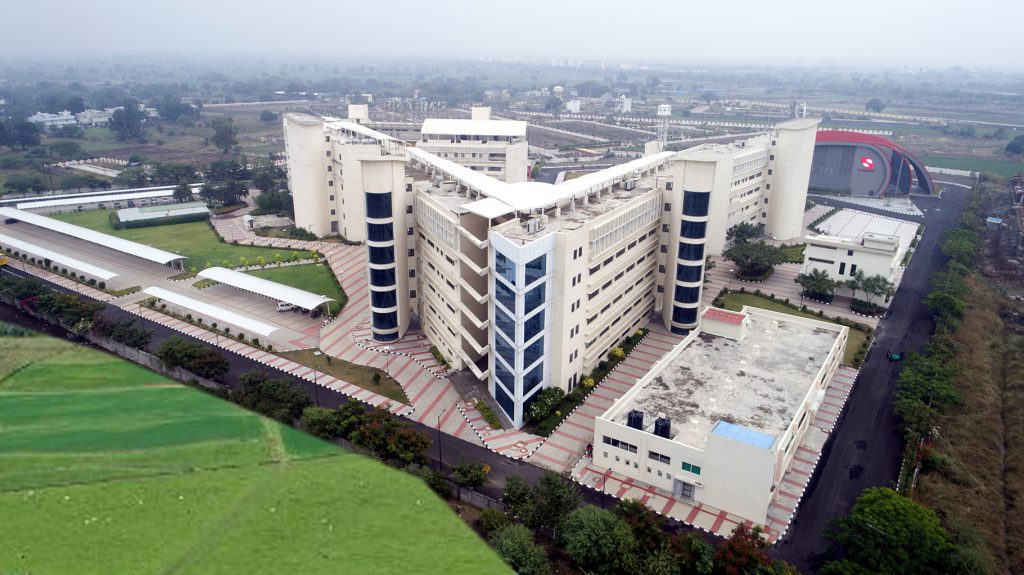
Ph.D. in Electrical & Electronics Engineering at Symbiosis University of Applied Sciences
Embarking on a doctoral journey in Electrical & Electronics Engineering at Symbiosis University of Applied Sciences (SUAS) is more than an academic pursuit?it?s a gateway to pioneering innovations that shape tomorrow?s technology landscape. The program blends rigorous research, industry collaboration, and world?class mentorship, empowering professionals to become thought leaders and change?makers in fields ranging from renewable energy systems to intelligent robotics.
Eligibility Criteria for Ph.D. in Electrical & Electronics Engineering at Symbiosis University of Applied Sciences
Prospective candidates must satisfy the following prerequisites:
- Hold a Master?s degree (M.E., M.Tech, M.Sc.) in Electrical Engineering, Electronics Engineering, or a closely related discipline with a minimum of 55% aggregate (or equivalent CGPA).
- Candidates with a 10+2+3 (B.E./B.Tech) plus 2 years of relevant research/industry experience may also be considered under the lateral entry route.
- Qualifying score in the university?s entrance examination or a nationally recognized test (GATE/NET) is mandatory.
- English proficiency (IELTS/TOEFL) for international applicants.
Entrance Exam for Ph.D. in Electrical & Electronics Engineering at Symbiosis University of Applied Sciences
SUAS conducts a comprehensive written test followed by a personal interview. The written section evaluates:
- Core concepts of electrical circuits, power systems, signal processing, and control theory.
- Quantitative aptitude and analytical reasoning.
- Research aptitude through a statement of purpose (SOP) review.
Candidates with valid GATE or CSIR NET scores are exempted from the written test but must appear for the interview.
Fee Structure for Ph.D. in Electrical & Electronics Engineering at Symbiosis University of Applied Sciences
| Fee Component | Amount (INR) | Applicable Year |
|---|---|---|
| Admission & Registration Fee | 25,000 | Year 1 |
| Tuition & Lab Charges | 1,20,000 | Per Semester |
| Library & Resource Fee | 10,000 | Annual |
| Research Project Grant (Optional) | Up to 2,00,000 | During Thesis |
| Total Approximate Cost (3?Year Program) | 8,20,000 | - |
Admission Process for Ph.D. in Electrical & Electronics Engineering at Symbiosis University of Applied Sciences
- Online Application: Fill the web?based form on the SUAS portal and upload scanned documents.
- Entrance Examination: Appear for the written test (or submit GATE/NET scores).
- Interview: Present research proposal and discuss past projects with the faculty panel.
- Document Verification: Physical verification of originals at the university campus.
- Admission Confirmation: Receive the admission letter and pay the first installment of fees.
Ph.D. Subjects and Specializations in Electrical & Electronics Engineering at Symbiosis University of Applied Sciences
Students may select from a curated list of cutting?edge specializations, including:
- Power Electronics & Smart Grids
- Advanced Signal Processing & Communications
- Micro?Electromechanical Systems (MEMS)
- Renewable Energy Systems & Storage
- Artificial Intelligence for Embedded Systems
- Robotics and Autonomous Control
- Biomedical Instrumentation
Research Areas in Electrical & Electronics Engineering at Symbiosis University of Applied Sciences
The university?s research ecosystem encourages interdisciplinary collaboration across the following focus areas:
- Smart Power Distribution: Development of resilient micro?grids and real?time load forecasting.
- 5G/6G Communication Networks: Designing low?latency, high?throughput transceiver architectures.
- Energy Harvesting Technologies: Innovative methods for converting ambient energy into usable power.
- IoT Security: Protecting sensor networks against cyber?threats.
- Quantum Electronics: Exploring quantum dot lasers and photonic circuits.
- Data?Driven Control Systems: Leveraging machine learning for adaptive control.
Documents Required for Ph.D. in Electrical & Electronics Engineering at Symbiosis University of Applied Sciences
| Document | Description |
|---|---|
| Academic Transcripts | Certified copies of all university degree certificates (B.Tech/M.Tech/Ph.D.). |
| GATE/NET Scorecard | Original scorecard (if applicable) for exam?exempted candidates. |
| Statement of Purpose (SOP) | 500?word essay outlining research interests and career goals. |
| Curriculum Vitae (CV) | Professional r?sum? highlighting academic achievements, publications, and patents. |
| Two Letters of Recommendation | From academicians or industry experts familiar with the applicant?s work. |
| Proof of Identity | Valid passport or government?issued ID. |
Symbiosis University of Applied Sciences Ph.D. Syllabus for Electrical & Electronics Engineering
The syllabus is structured to blend theoretical depth with hands?on research:
- Core Modules (Year 1): Advanced Electromagnetics, Power System Stability, Digital Signal Processing, Research Methodology.
- Specialization Electives (Year 2): Choose 3?4 courses aligned with your research focus, such as Smart Grid Technologies or AI?Based Control.
- Comprehensive Viva?Voce & Thesis Submission (Year 3): Original contribution to knowledge evaluated by an external panel.
Throughout the program, students are encouraged to collaborate with industry partners and may access Research Data Analysis Services to enhance their experimental outcomes.
How To Apply for Ph.D. in Electrical & Electronics Engineering at Symbiosis University of Applied Sciences
Follow these steps to submit a successful application:
- Visit the official SUAS Ph.D. portal and create a user account.
- Complete the application form, upload required documents, and pay the non?refundable processing fee of INR 5,000.
- Schedule the entrance examination date and prepare a concise research proposal (max 1,000 words).
- After clearing the test, attend the interview (virtual or onsite) and submit any additional documents requested.
- Upon selection, finalize enrollment by paying the first tuition installment and signing the agreement.
Career Scope and Job Opportunities After Ph.D. in Electrical & Electronics Engineering from Symbiosis University of Applied Sciences
Graduates are positioned for high?impact roles such as:
- Chief Technology Officer (CTO) ? leading R&D divisions in multinational corporations.
- Senior Research Scientist ? heading projects at national labs and defense research organisations.
- Professor / Head of Department ? shaping future engineers at premier academic institutions.
- Consultant ? providing expertise in power system optimisation, IoT security, and renewable integration.
- Entrepreneur ? launching startups focused on smart energy, autonomous vehicles, or biomedical devices.
Industry demand for Ph.D. holders with a strong publication record and hands?on prototyping skills continues to rise, particularly in sectors like renewable energy, telecommunications, and autonomous robotics.
Scholarship for Ph.D. in Electrical & Electronics Engineering at Symbiosis University of Applied Sciences
SUAS offers a range of financial aids to deserving candidates:
- Merit?Based Scholarships: Up to 50% tuition waiver for candidates with a GPA above 8.5/10.
- Research Grants: Project?specific funding of up to INR 2,00,000 per semester.
- Industry Sponsored Fellowships: Partnerships with leading firms (e.g., Siemens, ABB) provide stipends and lab access.
- Government Schemes: Eligibility for UGC?JRF and CSIR?NET fellowships.
Applicants can also benefit from Thesis and Dissertation Writing Services to ensure timely completion of their dissertation.
FAQs Regarding Ph.D. in Electrical & Electronics Engineering at Symbiosis University of Applied Sciences
- Q: Is work experience mandatory for admission?
- A: No, but relevant research or industry experience strengthens the application and may waive certain entrance requirements.
- Q: How long does it take to complete the Ph.D.?
- A: The program is designed for completion within 3 years, subject to satisfactory progress and thesis submission.
- Q: Can I pursue the Ph.D. part?time while working?
- A: Yes, SUAS offers a flexible part?time option with evening seminars and online coursework.
- Q: Are there opportunities for publishing research papers?
- A: Absolutely. The university encourages publication in indexed journals and conferences. Students may also access <




