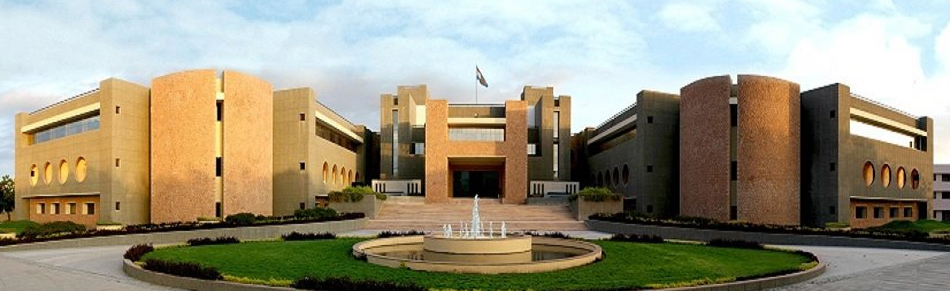
Introduction about Ph.D. in Electrical Engineering at Atmiya University
In an era defined by rapid technological evolution and the global transition toward sustainable energy, pursuing a Ph.D. in Electrical Engineering at Atmiya University stands as a beacon of academic excellence and professional transformation. Atmiya University, located in Rajkot, Gujarat, is renowned for its commitment to "Vidya, Sadvidya, and Brahmavidya," blending modern technical education with ethical values. A Doctorate in Electrical Engineering here is not just an academic degree; it is an inspirational journey designed for visionaries who aim to redefine the boundaries of power systems, electronics, and automation. By choosing this program, you immerse yourself in an environment that fosters critical thinking, innovative problem-solving, and cutting-edge research aimed at solving real-world challenges in the energy sector.
Ph.D Admission 2026-2027 & Writing Support Services by Shiksha Research
Eligibility Criteria for Ph.D. in Electrical Engineering at Atmiya University
To embark on this prestigious research journey, candidates must meet specific academic benchmarks. Atmiya University seeks individuals with a robust foundation in engineering and a passion for discovery. The eligibility criteria are as follows:
- Academic Qualification: Candidates must possess a Master?s Degree (M.E./M.Tech) in Electrical Engineering or a closely related discipline from a recognized university.
- Minimum Marks: A minimum of 55% marks or an equivalent CGPA in the qualifying Master?s degree is required. A relaxation of 5% is typically provided for candidates belonging to SC/ST/OBC (non-creamy layer)/Differently-abled categories as per UGC norms.
- Professional Experience: While not mandatory, professional experience in research or industry is highly valued and can significantly strengthen an applicant's profile.
Entrance Exam for Ph.D. in Electrical Engineering at Atmiya University
Admission to the doctoral program is rigorous, ensuring that only the most dedicated researchers are selected. The university conducts the Atmiya University Ph.D. Entrance Test (PET). This exam evaluates the candidate?s aptitude for research and their technical depth in electrical engineering. For those seeking professional guidance to navigate this competitive landscape, PhD Admission Assistance can be an invaluable resource to ensure all requirements are met with precision.
Candidates who have successfully cleared national-level examinations such as UGC-NET, CSIR-NET, GATE, or have been awarded a Teacher Fellowship are often exempted from the university's entrance test, though they must still participate in the subsequent interview process.
Fee Structure for Ph.D. in Electrical Engineering at Atmiya University
Investing in a Ph.D. is an investment in your future as a thought leader. Atmiya University offers a transparent and competitive fee structure tailored to support long-term research. Below is an approximate breakdown of the costs involved:
| Component | Estimated Amount (INR) | Frequency |
|---|---|---|
| Application & Registration Fee | ?2,500 - ?5,000 | One-time |
| Tuition Fee | ?40,000 - ?60,000 | Per Semester |
| Laboratory & Research Facility Fee | ?10,000 - ?15,000 | Annual |
| Library & E-Resources Access | ?5,000 | Annual |
| Thesis Submission & Viva-Voce | ?15,000 - ?20,000 | Final Year |
Admission Process for Ph.D. in Electrical Engineering at Atmiya University
The admission process at Atmiya University is designed to identify candidates with high research potential. It generally follows these steps:
- Notification: The university releases an official advertisement on its website regarding Ph.D. admissions.
- Application: Interested candidates must submit their application forms online along with the necessary documentation.
- Entrance Test: Eligible candidates appear for the PET (Entrance Exam).
- Personal Interview: Shortlisted candidates from the entrance test (and those exempted) are invited for an interview. Here, you must present your research intent and demonstrate your domain expertise.
- Research Advisory Committee (RAC): Upon selection, the candidate is assigned a supervisor and must present their proposed research work before the RAC for final approval.
Ph.D. Subjects and Specializations in Electrical Engineering at Atmiya University
Atmiya University encourages interdisciplinary and niche research. Choosing the right specialization is crucial for a successful doctoral journey. If you find yourself at a crossroads, seeking PhD Topic Selection and Proposal Assistance can help you align your personal interests with current industry demands. Key specializations include:
- Advanced Power Systems and Smart Grids
- Renewable Energy Systems and Integration
- Power Electronics and Industrial Drives
- Control Systems and Robotics
- Electric Vehicle (EV) Technology and Management
- High Voltage Engineering and Insulation Technology
Research Areas in Electrical Engineering at Atmiya University
The research ecosystem at Atmiya University is vibrant and forward-thinking. Scholars are encouraged to delve into areas that promote technological sovereignty and environmental sustainability. Notable research areas include Microgrid stability, Artificial Intelligence applications in Power Systems, and Wireless Power Transfer. To ensure that your findings reach the global community, the university provides extensive Research Publication Support, helping scholars publish in high-impact SCOPUS and Web of Science indexed journals. Furthermore, for those who develop unique technical solutions, Patent Filing and Support Services are available to protect intellectual property and foster innovation.
Documents Required for Ph.D. in Electrical Engineering at Atmiya University
Proper documentation is the cornerstone of a smooth admission process. Candidates should ensure they have the following documents ready:
- Post-Graduation and Under-Graduation Degree Certificates and Marksheets.
- Secondary and Senior Secondary Certificates.
- Entrance Exam Scorecard (if applicable).
- A well-drafted Research Proposal (Statement of Purpose).
- No Objection Certificate (NOC) from the current employer (for part-time candidates).
- Experience Certificates (if any).
- Valid Proof of Identity (Aadhar Card, Passport).
- Passport-size Photographs.
Before submitting these documents, especially your proposal, it is highly recommended to utilize Editing and Proofreading Services to maintain a professional standard and eliminate any grammatical errors.
Atmiya University Ph.D. Syllabus for Electrical Engineering
The Ph.D. syllabus is divided into coursework and dedicated research. The coursework phase typically lasts six months to a year and includes:
- Research Methodology: Quantitative methods, research ethics, and data analysis software.
- Advanced Mathematics: Optimization techniques and stochastic processes.
- Core Domain Subjects: Specialized modules based on the student's chosen area of research, such as Advanced Control Theory or Power Electronics Converters.
- Literature Review: A comprehensive critical analysis of existing research in the chosen field.
- Scientific Writing and Seminar: Training on how to present and document scientific findings effectively.
How To Apply for Ph.D. in Electrical Engineering at Atmiya University
Applying to Atmiya University is a straightforward digital process designed for the convenience of professionals:
- Visit the official Atmiya University website and navigate to the 'Admissions' or 'Research' section.
- Register your account using a valid email and phone number.
- Fill out the online application form with personal, academic, and professional details.
- Upload scanned copies of the required documents as per the specified format.
- Pay the application fee through the integrated secure payment gateway.
- Submit the form and download the confirmation page for future reference.
Career Scope and Job Opportunities After Ph.D. in Electrical Engineering from Atmiya University
A Ph.D. opens doors to elite career paths that are often inaccessible with only a Master's degree. Graduates can transition into roles such as Senior Research Scientist, Technical Lead in Multinational Corporations, or Academic Dean in prestigious institutions. The expertise gained allows you to influence policy-making in the energy sector or lead large-scale infrastructure projects. For industry veterans who have already made significant contributions without a formal PhD, exploring Honorary Doctorate Programs might also be a way to gain similar recognition for their lifelong achievements.
Common job titles include:
- Chief Technical Officer (CTO) in Energy Startups.
- R&D Engineer in Power Grid Corporations.
- University Professor and Research Guide.
- Principal Consultant for Renewable Energy Projects.
Scholarship for Ph.D. in Electrical Engineering at Atmiya University
Atmiya University is dedicated to ensuring that financial constraints do not hinder intellectual growth. Various scholarship opportunities are available:
- University Research Fellowships: Awarded to top-performing full-time scholars.
- Stipends for GATE Qualified Candidates: As per central government norms for technical education.
- State Government Scholarships: Specialized grants for students from marginalized backgrounds.
- Industry-Sponsored Fellowships: Occasionally, corporate partners sponsor research that aligns with their specific technical needs.
FAQs Regarding Ph.D. in Electrical Engineering at Atmiya University
1. What is the duration of the Ph.D. program at Atmiya University?
The program typically lasts a minimum of three years and a maximum of six years, including the coursework period.
2. Is part-time Ph.D. available for working professionals?
Yes, Atmiya University offers part-time Ph.D. options for professionals, provided they submit an NOC from their current employer and can meet the residency requirements for coursework.
3. Do I need to have a supervisor before applying?
While you don't strictly need a supervisor at the time of application, it is beneficial to identify a faculty member whose research interests align with yours to discuss potential guidance.
4. How often is the Ph.D. entrance exam conducted?
The entrance exam is generally conducted twice a year, usually in the summer and winter sessions. It is best to check the university?s official notification for exact dates.
5. What makes Atmiya University different for Electrical Engineering research?
Atmiya University combines state-of-the-art laboratory infrastructure with a mentorship-driven approach, ensuring that scholars receive both technical support and ethical guidance during their research.




