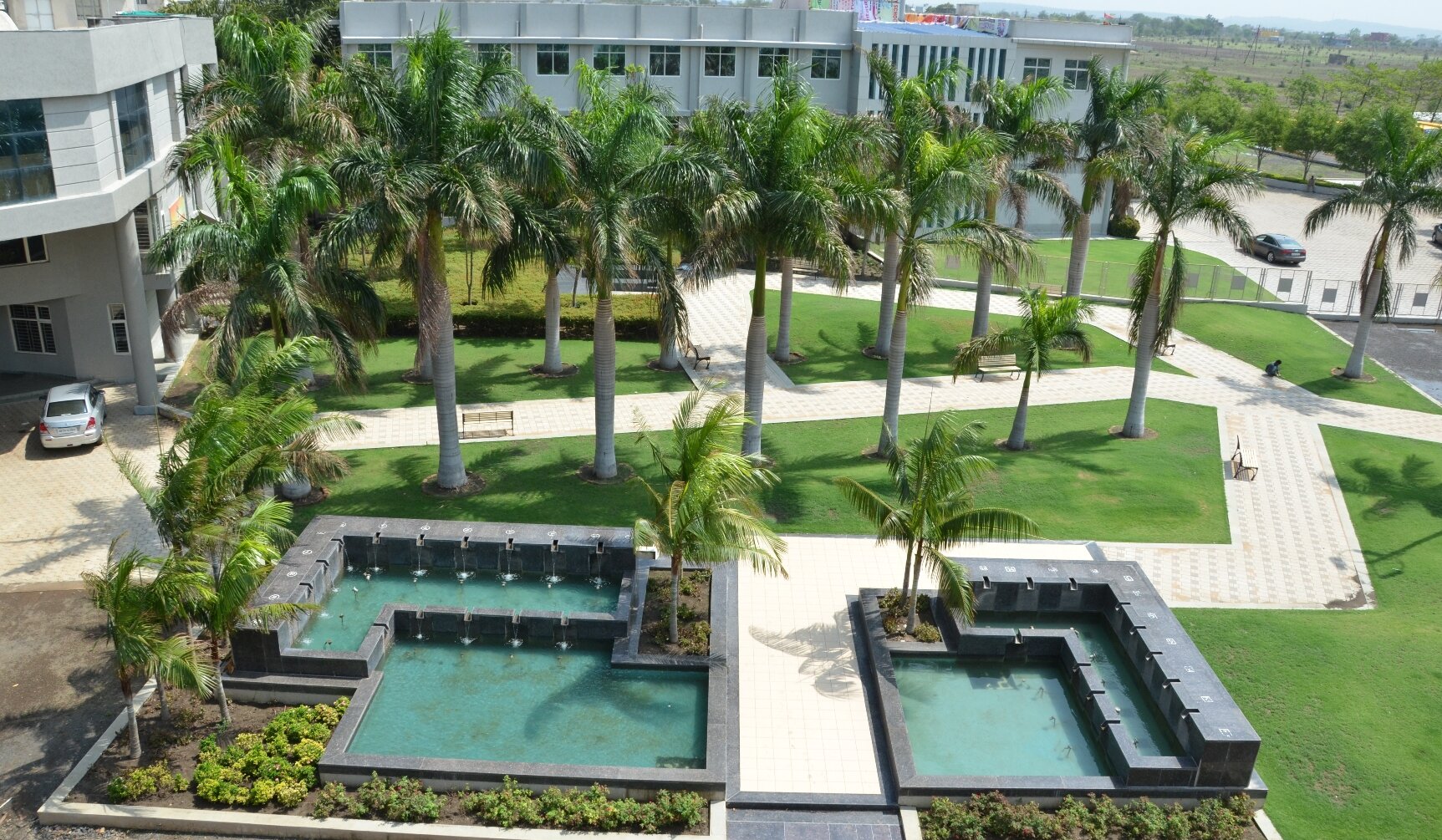
Introduction about Ph.D. in Electrical Engineering at I.E.S. University
The Doctor of Philosophy (Ph.D.) in Electrical Engineering at I.E.S. University is a rigorously designed program that blends advanced theoretical concepts with cutting‑edge research. Tailored for engineers, scientists, and academicians, the program empowers candidates to become innovators in power systems, communications, signal processing, and emerging technologies such as IoT and renewable energy. With world‑class faculty, state‑of‑the‑art laboratories, and industry collaborations, I.E.S. University provides a fertile ground for transformative research and academic excellence.
Eligibility Criteria for Ph.D. in Electrical Engineering at I.E.S. University
Prospective candidates must satisfy the following minimum requirements:
- A Master’s degree (M.Tech / M.E.) in Electrical Engineering or a closely related discipline with at least 55% aggregate marks (or CGPA equivalent).
- Alternatively, a B.E./B.Tech degree with a minimum of 65% and a valid GATE score (Physics or Electrical Engineering) may be considered for direct entry.
- English proficiency (IELTS/TOEFL) is required for international students.
- Research proposal aligned with the department’s focus areas.
Entrance Exam for Ph.D. in Electrical Engineering at I.E.S. University
The university conducts a specialized entrance examination to assess candidates’ analytical and research aptitude. The exam typically includes:
- Written Test: Objective and subjective questions covering advanced topics in Power Systems, Control Theory, Signal Processing, and Emerging Technologies.
- Interview / Viva‑voce: Evaluation of research proposal, motivation, and subject‑specific knowledge.
- GATE Score Consideration: Candidates with a valid GATE score may be exempted from the written test but must appear for the interview.
Fee Structure for Ph.D. in Electrical Engineering at I.E.S. University
| Component | Annual Fee (INR) | Notes |
|---|---|---|
| Tuition & Lab Charges | 85,000 | Inclusive of access to labs and research facilities. |
| Library & Resource Fee | 7,500 | Provides e‑resources and journal subscriptions. |
| Examination & Assessment Fee | 5,000 | Annual internal assessment and evaluation. |
| Miscellaneous (Sports, Canteen, etc.) | 2,500 | Optional but recommended for campus life. |
| Total Approx. | 100,000 | Subject to revision each academic year. |
Admission Process for Ph.D. in Electrical Engineering at I.E.S. University
The admission workflow is streamlined into clear stages:
- Online Application: Fill the electronic form on the university portal, attach scanned documents, and pay the application fee.
- Eligibility Verification: Admission committee reviews academic transcripts, GATE scores, and research proposal.
- Entrance Examination & Interview: Qualified candidates are invited for the written test and subsequent interview.
- Final Selection & Offer Letter: Successful candidates receive an official admission letter with details of registration and fee payment.
- Enrollment: Complete registration, submit original certificates, and start the research program.
Ph.D. Subjects and Specializations in Electrical Engineering at I.E.S. University
Students can choose from a spectrum of specializations, each supported by dedicated faculty and research labs:
- Power Systems & Smart Grids
- Control Systems & Automation
- Signal Processing & Communications
- Microelectronics & VLSI Design
- Renewable Energy Technologies
- Internet of Things (IoT) & Embedded Systems
- Artificial Intelligence in Electrical Engineering
Research Areas in Electrical Engineering at I.E.S. University
Key research thrusts align with industry trends and national priorities:
- Advanced Power Electronics for Sustainable Energy
- High‑Frequency Signal Processing for 5G/6G Networks
- Fault‑Tolerant Control in Autonomous Systems
- Low‑Power VLSI Circuits for Wearable Devices
- Smart Grid Cyber‑Security
- Machine Learning Algorithms for Grid Optimization
Documents Required for Ph.D. in Electrical Engineering at I.E.S. University
| Document | Format | Remarks |
|---|---|---|
| Academic Transcripts (10+2, B.E./B.Tech, M.E./M.Tech) | PDF, scanned copy | Official sealed copies |
| GATE Scorecard (optional) | Valid for the year of admission | |
| Research Proposal (2,000‑2,500 words) | DOCX or PDF | Must align with department’s research areas |
| Proof of Identity (Aadhaar/Passport) | Government‑issued ID | |
| English Proficiency Test (IELTS/TOEFL) – for foreign nationals | Score ≥ 6.5 (IELTS) or 80 (TOEFL) |
I.E.S. University Ph.D. Syllabus for Electrical Engineering
The syllabus is modular, balancing coursework and research milestones:
- Core Courses (Year 1): Advanced Electromagnetics, Power System Stability, Digital Signal Processing, Research Methodology.
- Elective Courses (Year 2): Choose 2–3 based on specialization – e.g., Smart Grid Technologies, VLSI Design, AI‑Driven Control.
- Research Phase (Year 2‑4): Literature review, experiment design, data collection, thesis writing, and publications.
- Evaluation: Periodic internal assessments, conference presentations, and a final viva‑voce.
How To Apply for Ph.D. in Electrical Engineering at I.E.S. University
Follow these steps to submit a successful application:
- Visit the official I.E.S. University portal and select “Ph.D. Admissions – Electrical Engineering”.
- Register using a valid email address and create a strong password.
- Complete the online application form, upload required documents, and pay the non‑refundable application fee (₹2,500).
- Submit your research proposal and, if applicable, your GATE scorecard.
- Monitor your email for the admit card to the entrance exam and subsequent interview schedule.
- After clearing the selection process, confirm enrollment by paying the first year tuition fee.
Career Scope and Job Opportunities After Ph.D. in Electrical Engineering from I.E.S. University
Graduates enjoy a broad spectrum of career paths, including:
- Senior Research Scientist – National labs, R&D centers, and multinational corporations.
- Assistant/Associate Professor – Reputed engineering colleges and universities.
- Chief Technology Officer (CTO) – Start‑ups focusing on renewable energy, IoT, or AI‑enabled hardware.
- Project Lead – Power generation and transmission projects with government agencies.
- Consultant – Independent advisory roles for smart grid implementation and policy formulation.
According to recent placement data, 78% of Ph.D. alumni secure industry positions within six months, while 22% opt for academic careers.
Scholarship for Ph.D. in Electrical Engineering at I.E.S. University
I.E.S. University offers merit‑based and need‑based scholarships to support deserving candidates:
- University Merit Scholarship: Up to 50% tuition waiver for candidates with a CGPA ≥ 8.5/10.
- Research Grant: Funding of up to ₹2,00,000 per annum for projects approved by the department.
- National Fellowship (UGC/CSIR): Eligible candidates can apply for external fellowships that cover stipend and contingency expenses.
- Industry Sponsored Stipends: Collaborations with leading firms provide project‑based financial assistance.
FAQs Regarding Ph.D. in Electrical Engineering at I.E.S. University
- 1. Can I directly enroll after B.E. if I have a valid GATE score?
- Yes, candidates with a GATE score of 550 or above are eligible for direct entry into the Ph.D. program, subject to interview clearance.
- 2. Is there a part‑time option for working professionals?
- I.E.S. University offers a flexible part‑time mode, allowing candidates to complete the program in 6‑7 years while continuing employment.
- 3. How many publications are required before thesis submission?
- At least two papers in peer‑reviewed international journals or conferences are mandatory for final thesis evaluation.
- 4. What is the average stipend during the Ph.D.?
- The university provides a monthly stipend of ₹25,000, which may be supplemented by research grants or external fellowships.
- 5. Are there collaborations with industry for research projects?
- Yes, the department maintains MoUs with several power




