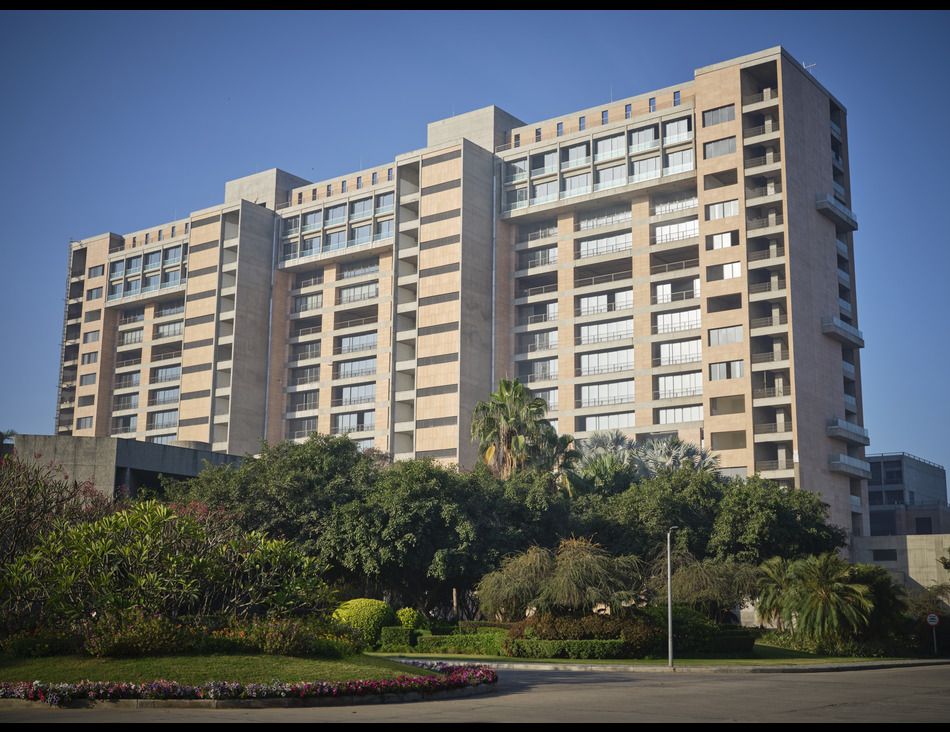
Ph.D. in Electrical Engineering from NIRMA University: Eligibility, Entrance Exam, Fee Structure, Admission Process, Subjects, Research Areas, Syllabus, Scholarship & Career Scope
Introduction about Ph.D. in Electrical Engineering at NIRMA University
Embarking on a doctoral journey in Electrical Engineering at NIRMA University unlocks a world of innovation, research excellence, and leadership opportunities. The university?s state?of?the?art laboratories, industry?aligned curriculum, and distinguished faculty create an ecosystem where aspiring scholars transform cutting?edge concepts into real?world solutions. Whether you aim to pioneer renewable power systems, advance semiconductor technologies, or lead intelligent automation projects, a Ph.D. from NIRMA equips you with the expertise and credibility to shape the future of electrical engineering.
Eligibility Criteria for Ph.D. in Electrical Engineering at NIRMA University
Prospective candidates must satisfy the following academic and professional prerequisites:
- Master?s degree (M.Tech / M.S.) in Electrical Engineering or a closely related discipline with a minimum of 55% marks (or equivalent CGPA) from a recognized university.
- Candidates holding a B.E./B.Tech (4?year) with 70% marks are eligible for direct Ph.D. admission without a master?s degree, provided they clear the entrance test.
- Valid GATE score in Electrical Engineering (optional but offers relaxation in eligibility criteria).
- For international students, a minimum of 60% marks in the relevant postgraduate program is required.
- English proficiency (IELTS/TOEFL) for non?native speakers if the medium of instruction is English.
Entrance Exam for Ph.D. in Electrical Engineering at NIRMA University
The university conducts a comprehensive entrance examination designed to evaluate analytical, theoretical, and research aptitude.
- Written Test: 120 multiple?choice questions covering core subjects such as Power Systems, Control Theory, Signal Processing, and Emerging Technologies.
- Interview: Candidates who clear the written test are invited for a personal interview and a research proposal presentation.
- GATE Relaxation: Applicants with a valid GATE score (minimum 550) may be exempted from the written test, proceeding directly to the interview stage.
Fee Structure for Ph.D. in Electrical Engineering at NIRMA University
| Fee Category | Amount (INR) | Remarks |
|---|---|---|
| Application Fee | 2,500 | Non?refundable, payable online |
| Tuition Fee (per semester) | 25,000 | Includes lab access and library resources |
| Research Lab Fee | 10,000 | Covers equipment usage and consumables |
| Annual Registration | 5,000 | Mandatory for each academic year |
| Scholarship Deduction (if awarded) | ? 15,000 | Per semester, based on merit |
Admission Process for Ph.D. in Electrical Engineering at NIRMA University
The admission journey is structured to be transparent and candidate?friendly:
- Online Application: Submit the application form along with scanned copies of academic certificates, GATE scorecard, and passport?size photograph.
- Document Verification: The university?s admissions office validates the authenticity of documents.
- Entrance Examination: Eligible candidates receive a call?letter to appear for the written test.
- Interview & Proposal Review: Shortlisted aspirants present their research proposal before the Ph.D. selection committee.
- Final Offer Letter: Successful candidates receive an admission offer with details of fee payment and scholarship eligibility.
Ph.D. Subjects and Specializations in Electrical Engineering at NIRMA University
NIRMA University offers a diverse range of specializations to align with emerging industry trends:
- Power Systems Engineering
- Control and Automation
- Signal Processing and Communications
- Microelectronics and VLSI Design
- Renewable Energy Technologies
- Internet of Things (IoT) and Embedded Systems
- Artificial Intelligence for Smart Grids
- Electromagnetics and Antenna Design
Research Areas in Electrical Engineering at NIRMA University
Faculty members lead research clusters across the following high?impact domains:
- Smart Grid Optimization and Cyber?Physical Security
- Advanced Power Electronics for Electric Vehicles
- High?Frequency RF & Microwave Circuit Design
- Quantum Computing Hardware
- Machine Learning?Driven Predictive Maintenance
- Energy Harvesting and Storage Solutions
- Biomedical Signal Processing
- Photonics and Optoelectronic Devices
Documents Required for Ph.D. in Electrical Engineering at NIRMA University
| Document | Requirement |
|---|---|
| Academic Transcripts | Original and certified copies of B.E./M.E. marksheets |
| Degree Certificates | Scanned PDF of the degree awarded |
| GATE Scorecard (if applicable) | Official score report |
| Research Proposal | 2?page outline of intended research |
| Letter of Recommendation | Two academic/industry references |
| Proof of Identity | Aadhar/Passport copy |
| English Proficiency Certificate | IELTS/TOEFL (if required) |
NIRMA University Ph.D. Syllabus for Electrical Engineering
The doctoral syllabus emphasizes both depth and breadth, integrating core coursework with research milestones:
- Advanced Power System Analysis
- Control Theory and Nonlinear Dynamics
- High?Frequency Circuit Design
- Digital Signal Processing Algorithms
- Research Methodology & Ethics
- Seminar Series on Emerging Technologies
- Thesis Publication and Defense
How To Apply for Ph.D. in Electrical Engineering at NIRMA University
Follow these steps to submit a successful application:
- Visit the official NIRMA University admissions portal.
- Create a user account and fill in personal details.
- Upload all required documents (refer to the Documents Required table).
- Pay the non?refundable application fee through the integrated payment gateway.
- Submit the research proposal and indicate your preferred specialization.
- Track application status via the portal; await the entrance exam invitation.
Career Scope and Job Opportunities After Ph.D. in Electrical Engineering from NIRMA University
Graduates emerge as thought leaders, ready to assume high?impact roles such as:
- Senior Research Scientist ? National Laboratories, ISRO, DRDO
- Chief Engineer ? Power Generation & Transmission Companies
- AI?Enabled Grid Analyst ? Smart Energy Start?ups
- Professor / Associate Professor ? Premier Institutes (IIT, NIT)
- Technology Consultant ? Global Consulting Firms (McKinsey, Accenture)
- Entrepreneur ? Founders of high?tech hardware ventures
- Patent Analyst ? Intellectual Property Firms
According to industry surveys, Ph.D. holders in Electrical Engineering command an average salary increase of 30?40% over M.Tech graduates, with accelerated pathways to leadership positions.
Scholarship for Ph.D. in Electrical Engineering at NIRMA University
NIRMA University offers merit?based and need?based scholarships to support deserving candidates:
- Merit Scholarship: Up to 50% tuition fee waiver for CGPA ? 9.0/10.0.
- Research Assistantship: Stipend of INR 15,000 per month plus lab expense coverage.
- Industry?Sponsored Fellowship:</strong




