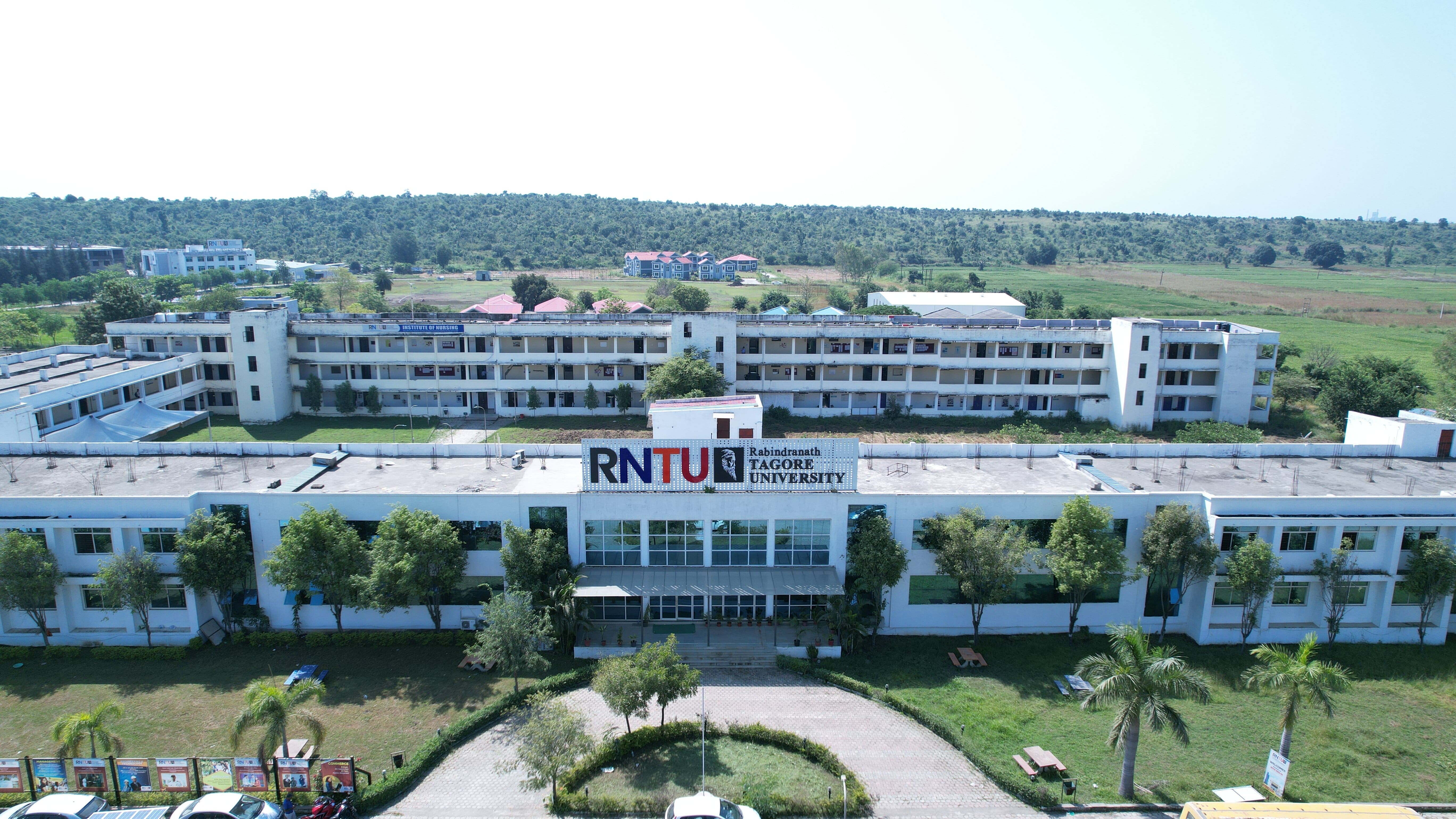
Ph.D. in Electrical Engineering from Rabindranath Tagore University: Eligibility, Admission, Fee, Syllabus & Career
Introduction about Ph.D. in Electrical Engineering at Rabindranath Tagore University
Embarking on a Doctoral journey in Electrical Engineering at Rabindranath Tagore University is more than an academic pursuit; it is a launchpad for transformative innovation. The university blends rigorous research methodology with cutting‑edge laboratory facilities, empowering professionals to lead breakthroughs in power systems, renewable energy, signal processing, and emerging IoT technologies. As the demand for high‑impact engineers intensifies across the globe, a Ph.D. from this esteemed institution positions you at the forefront of industry and academia, fostering an inspirational career that reshapes tomorrow’s electrified world.
Eligibility Criteria for Ph.D. in Electrical Engineering at Rabindranath Tagore University
The university maintains a merit‑based selection framework to ensure that candidates possess the foundational knowledge and research potential required for doctoral excellence.
- Master’s degree (M.Tech/M.Sc) in Electrical Engineering or a closely related discipline with a minimum CGPA of 6.5 on a 10‑point scale.
- For candidates holding a B.E./B.Tech, a minimum of 55% aggregate marks with a qualifying national level NET/ GATE/ CSIR score is mandatory.
- Proficiency in English (minimum IELTS 6.0 or TOEFL 80) for non‑English medium graduates.
- Demonstrated research aptitude through a well‑crafted research proposal (maximum 1500 words).
Entrance Exam for Ph.D. in Electrical Engineering at Rabindranath Tagore University
Prospective scholars are required to clear the university’s Ph.D. entrance examination, which evaluates both theoretical knowledge and analytical skills.
- Written Test (100 marks): Comprises multiple‑choice questions covering core Electrical Engineering subjects such as Power Electronics, Control Systems, Communications, and Signal Processing.
- Viva‑Voce (50 marks): A panel interview that explores the candidate’s research proposal, motivation, and alignment with the university’s research agenda.
- Optional Interview (30 marks): For candidates with outstanding publications or patents, a supplementary interview may be conducted.
Candidates can also gain direct admission based on a valid GATE/NET score, bypassing the written test, provided they meet the stipulated percentile.
Fee Structure for Ph.D. in Electrical Engineering at Rabindranath Tagore University
The fee schedule is designed to be transparent and affordable, while offering quality research supervision and access to state‑of‑the‑art facilities.
| Category | Annual Fee (INR) | Notes |
|---|---|---|
| Tuition & Laboratory Charges | ₹ 85,000 | Includes access to all EE labs and software licenses. |
| Research Materials & Publication Charges | ₹ 25,000 | Applicable for conference fees and journal submissions. |
| Student Services & Library Access | ₹ 10,000 | Covers digital library subscriptions and counseling services. |
| Miscellaneous (Health, Sports, etc.) | ₹ 5,000 | Standard campus amenities. |
| Total Approximate Cost per Year | ₹ 1,25,000 |
Scholarships, research grants, and teaching assistantships can significantly offset these costs. Detailed eligibility for financial aid is discussed in the “Scholarship” section below.
Admission Process for Ph.D. in Electrical Engineering at Rabindranath Tagore University
The admission journey is streamlined into clear milestones to ensure a smooth transition from application to enrollment.
- Online Application: Submit the application through the university portal with scanned copies of academic transcripts, a detailed CV, and a research proposal.
- Document Verification: The admissions office verifies authenticity of documents and issues a provisional ID.
- Entrance Examination: Appear for the written test or present a valid GATE/NET score as per the eligibility guidelines.
- Interview & Viva‑Voce: Attend the interview conducted by the Department of Electrical Engineering faculty.
- Offer Letter & Admission Confirmation: Upon successful evaluation, an offer letter is dispatched. Candidates must confirm acceptance and pay the initial fee within 15 days.
- Enrollment & Orientation: Final registration, allocation of supervisors, and participation in the Ph.D. orientation program.
Ph.D. Subjects and Specializations in Electrical Engineering at Rabindranath Tagore University
The doctoral program offers a broad spectrum of specializations, allowing candidates to align their research with personal interests and industry needs:
- Power Systems and Smart Grids
- Renewable Energy Conversion
- Advanced Control Theory
- Signal Processing & Communications
- Microelectronics and VLSI Design
- Internet of Things (IoT) and Embedded Systems
- Artificial Intelligence for Electrical Engineering
- Electromagnetics and Antenna Design
Research Areas in Electrical Engineering at Rabindranath Tagore University
Faculty members are actively engaged in pioneering research across multiple domains. Key research thrusts include:
- Grid‑scale energy storage and battery management systems.
- Wireless power transfer and inductive charging technologies.
- Machine learning‑driven fault detection in power networks.
- Low‑power VLSI circuits for wearable devices.
- 5G/6G communication protocols and antenna miniaturization.
- Cyber‑physical security for critical infrastructure.
Collaborative projects with leading industry partners and international universities broaden the exposure for Ph.D. candidates, fostering a vibrant research ecosystem.
Documents Required for Ph.D. in Electrical Engineering at Rabindranath Tagore University
A complete set of documents ensures a hassle‑free application review.
| Document | Format | Remarks |
|---|---|---|
| Academic Transcripts (10‑2, Graduation, Post‑Graduation) | PDF, scanned | Original signatures required. |
| Mark Sheets / Certificates | Attach both original and English translation if needed. | |
| Research Proposal (max 1500 words) | DOCX or PDF | Include objectives, methodology, and expected outcomes. |
| Curriculum Vitae (CV) | Highlight publications, patents, and project experience. | |
| GATE/NET Scorecard (if applicable) | Valid for the current admission year. | |
| English Proficiency Certificate | IELTS/TOEFL or equivalent. | |
| Photographs (Passport size) | JPEG, 4 images | White background. |
| Proof of Identity (Aadhar/Passport) | Government issued. |
Rabindranath Tagore University Ph.D. Syllabus for Electrical Engineering
The syllabus is structured to blend coursework, comprehensive examinations, and intensive research.
- Coursework (Year 1): Advanced Power Systems, Digital Signal Processing, Research Methodology, Machine Learning for EE, and Elective specialized modules.
- Comprehensive Viva‑Voce (End of Year 1): Evaluation of coursework and initial research proposal.
- Research Phase (Years 2‑4): Original research, periodic progress reviews, conference presentations, and manuscript submissions.
- Thesis Submission & Defense: Compilation of research findings, peer‑reviewed publications, and final oral defense before a panel of experts.
How To Apply for Ph.D. in Electrical Engineering at Rabindranath Tagore University
Follow these step‑by‑step instructions to submit a successful application:
- Visit the official university portal and click on “Ph.D. Admissions – Electrical Engineering”.
- Create a new user account using a valid email address.
- Complete the online application form, uploading all required documents




