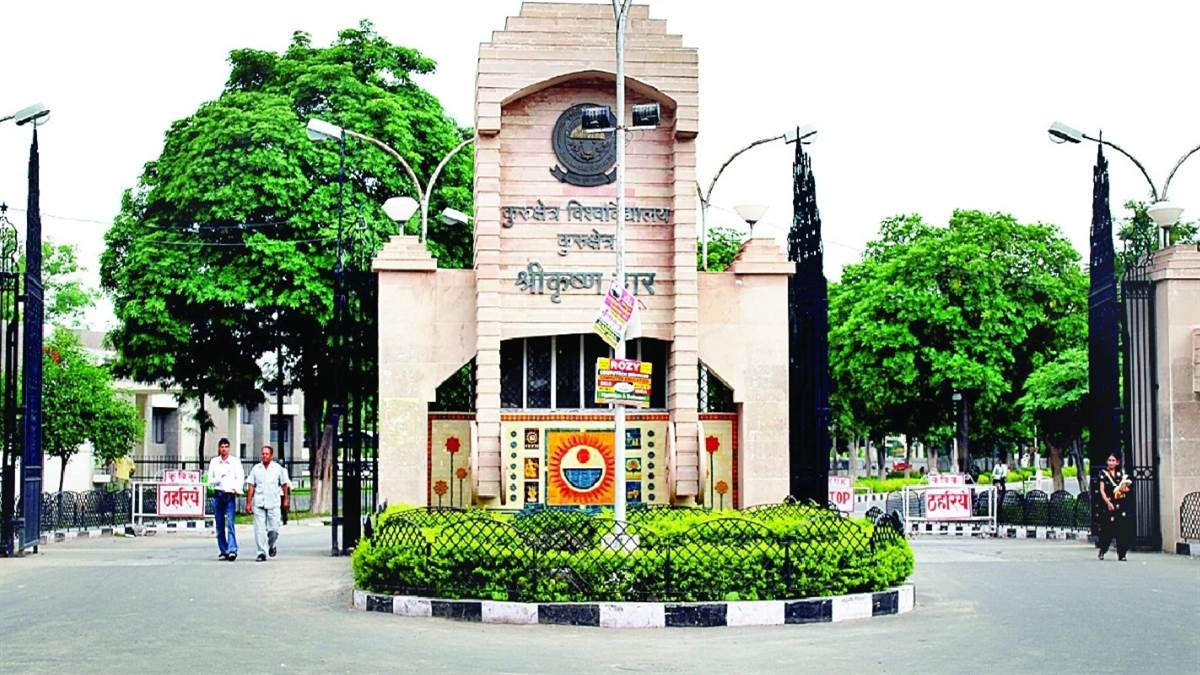
Ph.D. in Electronic Science from Kurukshetra University: Eligibility, Entrance Exam, Fee Structure, Admission Process, Subjects, Research Areas, Syllabus, Scholarship & Career Scope
Introduction about Ph.D. in Electronic Science at Kurukshetra University
Kurukshetra University (KU), a premier institution in North India, offers a robust Ph.D. program in Electronic Science designed for innovators, researchers, and industry professionals. The programme integrates cutting?edge laboratory facilities, seasoned faculty, and collaborations with leading technology firms, enabling scholars to contribute to emerging fields such as IoT, VLSI design, and renewable energy systems. Whether you aspire to academia, research labs, or high?tech industries, a doctorate from KU equips you with analytical depth and practical expertise.
Ph.D Admission 2026-2027 & Writing Support Services by Shiksha Research
Eligibility Criteria for Ph.D. in Electronic Science at Kurukshetra University
- A Master's degree (M.Sc., M.Tech., M.E.) in Electronics, Electrical Engineering, Applied Physics or a related discipline with a minimum of 55% aggregate (or equivalent CGPA of 5.5/10). Candidates with a first class (60% or above) are given preference.
- Nationally recognized entrance test qualification (KU Ph.D. Entrance, UGC NET, CSIR NET, GATE, etc.) is mandatory unless the candidate is selected through a direct interview based on research proposal.
- For candidates holding a Ph.D. in a different but related field, the university may consider a cumulative research experience of at least two years and a satisfactory interview.
- Minimum age limit: No upper age restriction, though candidates above 35 years may be required to provide additional proof of research capability.
Entrance Exam for Ph.D. in Electronic Science at Kurukshetra University
The KU Ph.D. Entrance Examination assesses the candidate’s foundational knowledge and research aptitude. The exam consists of:
- Written Test (100 marks): Two papers – General Aptitude (20 marks) and Subject?Specific Knowledge (80 marks) covering analog/digital circuits, signal processing, micro?electronics, and emerging technologies.
- Interview & Presentation (30 marks): Evaluation of the research proposal, past project work, and communication skills.
Preparation tips include revisiting key undergraduate concepts, reading recent journal articles, and drafting a concise research proposal that highlights originality and feasibility.
Fee Structure for Ph.D. in Electronic Science at Kurukshetra University
| Component | Annual Fee (INR) | Notes |
|---|---|---|
| Tuition & Lab Charges | 12,000 | Includes access to VLSI labs, micro?fabrication facilities, and software licenses. |
| Research Guidance & Seminar Fees | 5,000 | Covers workshops, guest lectures, and conference participation. |
| Library & Miscellaneous | 2,500 | Digital library access and printing charges. |
| Total Approx. | 19,500 | Subject to revision each academic year. |
Scholarships, teaching assistantships, and research grants can significantly reduce the out?of?pocket cost for eligible candidates.
Admission Process for Ph.D. in Electronic Science at Kurukshetra University
- Online Application: Submit the application through the KU admission portal with scanned copies of academic certificates, passport?size photograph, and research proposal.
- Document Verification: The university verification team validates eligibility, then issues a roll number for the entrance test.
- Entrance Examination: Appear for the written test on the scheduled date.
- Interview & Proposal Evaluation: Shortlisted candidates are invited for an interview and presentation of their research plan.
- Admission Offer: Successful candidates receive a formal letter of admission along with details of registration fees and enrollment deadlines.
- Registration: Complete fee payment, submit original documents, and enroll for the first semester.
Ph.D. Subjects and Specializations in Electronic Science at Kurukshetra University
Students can specialize in one of the following high?impact domains:
- VLSI Design and Fabrication
- Signal Processing and Communications
- Embedded Systems and IoT
- Power Electronics and Renewable Energy Systems
- Microwave & RF Engineering
- Optoelectronics and Photonic Devices
- Artificial Intelligence for Hardware Systems
Research Areas in Electronic Science at Kurukshetra University
Kurukshetra University encourages interdisciplinary research. Prominent areas include:
- Low?Power VLSI Architectures for wearable devices.
- 5G/6G communication protocols and antenna design.
- Smart grid technologies and power conversion efficiency.
- Neuro?computing hardware for AI acceleration.
- Quantum dot and organic semiconductor devices.
- Signal integrity and electromagnetic compatibility in high?speed circuits.
Documents Required for Ph.D. in Electronic Science at Kurukshetra University
| Document | Details |
|---|---|
| Application Form | Completed online form with a recent photograph. |
| Academic Transcripts | Original mark sheets of B.Sc./B.Tech. and M.Sc./M.Tech. (certified copies). |
| Entrance Test Score Card | Valid score of KU Ph.D. Entrance, NET, GATE, etc. |
| Research Proposal | 2?3 page document outlining objectives, methodology, and expected outcomes. |
| Identity Proof | Aadhaar card, passport or driving licence. |
| Experience Certificates (if any) | Letters from industry or research institutions. |
Kurukshetra University Ph.D. Syllabus for Electronic Science
The doctoral curriculum blends coursework with extensive research. Core modules (each worth 3 credits) include:
- Advanced Semiconductor Device Physics
- Modern VLSI Design Techniques
- Digital Signal Processing and Machine Learning
- Power Electronics and Energy Management
- Research Methodology & Scientific Writing
In addition to these, students must complete a minimum of 30 research credits through publications, conference presentations, and thesis work. The final evaluation comprises a written thesis, oral defense, and a published research paper.
How To Apply for Ph.D. in Electronic Science at Kurukshetra University
Follow these steps for a smooth application:
- Visit the official Kurukshetra University website and navigate to the “Research & Ph.D.” section.
- Register using a valid email address and create a secure password.
- Fill in personal and academic details, upload required documents, and enter the research proposal.
- Pay the non?refundable application fee (? 1,200) through net banking or credit card.
- Submit the form and note down the application reference number for future correspondence.
- Prepare for the entrance exam using past papers and recommended textbooks.
Career Scope and Job Opportunities After Ph.D. in Electronic Science from Kurukshetra University
A doctorate in Electronic Science opens doors to a variety of high?impact careers:
- Academic Positions: Assistant Professor, Associate Professor, or Research Fellow in reputed universities and institutes.
- Industry R&D: Senior Engineer, Design Architect, or Lead Scientist in semiconductor companies (e.g., Intel, Qualcomm, Texas Instruments).
- Government & Public Sector: Scientist positions in DRDO, ISRO, CSIR labs, and Energy ministries.
- Start?ups & Entrepreneurship: Founder or CTO of technology start?ups focusing on IoT, AI?hardware, or renewable energy solutions.
- Consultancy & Patenting: Independent consultant for circuit design, intellectual property advisory, and technology transfer.
The average salary for Ph.D. holders in electronics ranges between ? 10 LPA to ? 25 LPA depending on sector and experience, with research grants and consultancy fees adding significant upside.
Scholarship for Ph.D. in Electronic Science at Kurukshetra University
KU provides several financial aids to deserving candidates:
- KU Merit Scholarship: Full tuition waiver and a monthly stipend of ? 12,000 for top 10% performers.
- UGC/CSIR Junior Research Fellowship (JRF): Central funding of ? 31,000 per month plus contingency allowances.
- Industry?Sponsored Stipends: Partnerships with companies offering project?based funding.
- Research Grants: Access to grants from the Department of Science & Technology (DST) and the Ministry of Electronics & Information Technology (MeitY).
FAQs Regarding Ph.D. in Electronic Science at Kurukshetra University
- 1. How long does it take to complete the Ph.D.?
- The typical duration is 3?4 years for regular candidates and 5?6




