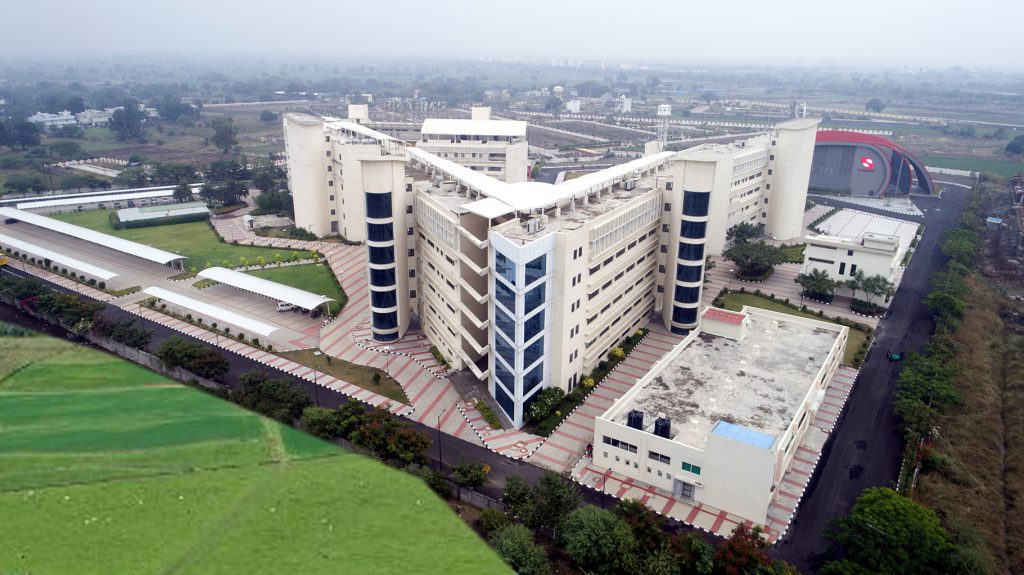
Ph.D. in Electronics And Communication Engineering from Symbiosis University of Applied Sciences: Eligibility, Entrance Exam, Fee Structure, Admission Process, Subjects, Research Areas, Syllabus, Scholarship & Career Scope
Embarking on a doctoral journey in Electronics and Communication Engineering at Symbiosis University of Applied Sciences empowers professionals to push the frontiers of wireless technologies, signal processing, and embedded systems. The program blends rigorous coursework with cutting?edge research, preparing scholars to become innovators, academicians, and industry leaders. Whether you aim to develop 5G solutions, advance IoT ecosystems, or contribute to sustainable communication infrastructures, this Ph.D. offers a platform where vision meets expertise.
Ph.D Admission 2026-2027 & Writing Support Services by Shiksha Research
Eligibility Criteria for Ph.D. in Electronics And Communication Engineering at Symbiosis University of Applied Sciences
- Master?s degree in Electronics & Communication Engineering, Electrical Engineering, Computer Engineering or a related discipline with a minimum CGPA of 6.5/10 (or equivalent).
- Qualifying scores in national level or university level entrance tests (e.g., UGC NET, GATE, CSIR NET).
- Valid GATE score (if applicable) with a minimum percentile of 40% for General and 35% for OBC/SC/ST categories.
- English language proficiency ? minimum IELTS 6.0 or TOEFL iBT 80 for international candidates.
- Two references from academicians or industry professionals who can attest to the applicant?s research potential.
Entrance Exam for Ph.D. in Electronics And Communication Engineering at Symbiosis University of Applied Sciences
The university conducts a comprehensive entrance examination that evaluates:
- Fundamental concepts of analog & digital communication systems.
- Advanced signal processing, microwave engineering, and RF design.
- Research aptitude through a written proposal abstract and interview.
Candidates with a valid UGC NET/GATE score are exempted from the written portion but must appear for a personal interview.
Fee Structure for Ph.D. in Electronics And Communication Engineering at Symbiosis University of Applied Sciences
| Component | Indian Residents (INR) | International Residents (USD) |
|---|---|---|
| Application & Processing Fee | ? 2,500 | $ 50 |
| Annual Tuition Fee | ? 45,000 | $ 900 |
| Lab & Research Materials | ? 12,000 | $ 240 |
| Miscellaneous (Library, Internet, etc.) | ? 6,000 | $ 120 |
| Total Approx. (3?Year Programme) | ? 1,68,500 | $ 3,350 |
Admission Process for Ph.D. in Electronics And Communication Engineering at Symbiosis University of Applied Sciences
- Online Application: Fill the web?based form, upload academic transcripts and a research proposal (max 1500 words).
- Document Verification: The admission office validates certificates, marksheets, and ID proofs.
- Entrance Test & Interview: Qualified candidates appear for the written test and a personal interview conducted by the Department of Electronics & Communication Engineering.
- Final Offer Letter: Successful candidates receive an admission letter with fee details and enrollment instructions.
- Enrollment: Pay the first year?s tuition and submit the signed declaration of originality for the proposed research.
Ph.D. Subjects and Specializations in Electronics And Communication Engineering at Symbiosis University of Applied Sciences
- Advanced Wireless Communication Systems
- Signal Processing & Machine Learning for Communications
- Microwave & Millimeter?Wave Engineering
- Embedded Systems & IoT Architecture
- Optical Fiber & Photonic Networks
- Satellite & Space Communications
Research Areas in Electronics And Communication Engineering at Symbiosis University of Applied Sciences
The university?s research labs focus on high?impact domains that align with industry trends and national priorities:
- 5G/6G Network Design and Optimization
- Artificial Intelligence?Driven Modulation Techniques
- Low?Power Wide?Area Networks (LPWAN) for Smart Cities
- Quantum Communication and Secure Transmission
- Biomedical Signal Processing for Healthcare IoT
- Energy?Efficient RF Front?End Design
Documents Required for Ph.D. in Electronics And Communication Engineering at Symbiosis University of Applied Sciences
| Document | Details |
|---|---|
| Academic Transcripts | Certified copies of Bachelor?s & Master?s degree certificates with grade sheets. |
| Entrance Exam Score Card | UGC NET / GATE / CSIR NET scorecards (if applicable). |
| Research Proposal | 1500?word abstract outlining objectives, methodology, and expected outcomes. |
| Curriculum Vitae | Professional experience, publications, patents, and conference presentations. |
| Letter of Recommendation | Two academic or industry references on official letterhead. |
| English Proficiency Certificate | IELTS / TOEFL scores (for non?native speakers). |
| Identity Proof | Passport / Aadhaar card (for Indian candidates). |
Symbiosis University of Applied Sciences Ph.D. Syllabus for Electronics And Communication Engineering
The curriculum is divided into two phases: Core Coursework (Year 1) and Research Milestones (Years 2?3).
Core Coursework (48 Credits)
- Advanced Digital Communications
- Microwave Engineering and Antenna Design
- Signal Processing for Wireless Networks
- Research Methodology & Ethics
- Elective: AI for Communication Systems / Optical Communication
Research Milestones
- Literature Review & Problem Definition (Month 13?15)
- Experimental Setup & Data Acquisition (Month 16?24)
- Data Analysis ? Research Data Analysis Services (Month 25?30)
- Thesis Writing ? Thesis and Dissertation Writing Services (Month 31?36)
- Defense & Publication (Month 37?40)
How To Apply for Ph.D. in Electronics And Communication Engineering at Symbiosis University of Applied Sciences
Follow these step?by?step instructions to submit a successful application:
- Visit the official university portal and click on the ?Apply for Ph.D.? button.
- Create a user account using a valid email address.
- Complete the online form, uploading scanned copies of all required documents (as listed above).
- Pay the non?refundable application fee through the integrated payment gateway.
- Submit the research proposal and await an email confirming eligibility for the entrance test.
- Prepare for the written exam and interview; bring original certificates for verification.
- Upon selection, accept the admission offer and pay the first year?s tuition to activate your student account.
Career Scope and Job Opportunities After Ph.D. in Electronics And Communication Engineering from Symbiosis University of Applied Sciences
Graduates enjoy a broad spectrum of high?impact roles:
- Academia: Assistant/Associate Professor, Research Fellow, Post?Doctoral Scholar.
- Industry R&D: Lead Engineer ? 5G/6G, IoT Solutions Architect, RF Systems Designer.
- Government & Defense: Senior Scientist in DRDO, ISRO, or Telecommunications Ministry.
- Consultancy: Independent consultant for wireless network optimization and spectrum management.
- Entrepreneurship: Founder of start?ups focusing on smart?city communication platforms or wearable health devices.
According to recent placement data, Ph.D. holders command an average salary of INR 12?18 lakhs per annum in India and USD 80?120k internationally.
Scholarship for Ph.D. in Electronics And Communication Engineering at Symbiosis University of Applied Sciences
Merit?based and need?based scholarships are available for eligible candidates:
- University Merit Scholarship: 50% tuition waiver for the first two years for top 10% of applicants.
- Industry Sponsored Fellowship: Collaboration with leading telecom firms offering stipends plus project funding.
- Government Grants: UGC?NGS (National Doctoral Fellowship) and AICTE?PG Scholarships.
Students can also explore external funding through research grants, such as the Research Paper Writing Services assistance for publishing in high?impact journals, which enhances eligibility for additional financial support.
FAQs Regarding Ph.D. in Electronics And Communication Engineering at Symbiosis University of Applied Sciences
- 1. What is the minimum duration to complete the Ph.D. program?
- The standard period is three years for full?time candidates, with a possible extension up to five years based on research progress.
- 2. Can working professionals enroll part?time?
- Yes, a flexible part?time track is available, extending the duration to five years and allowing weekend lab access.
- 3. Is there a provision for publishing my research while studying?
- Absolutely. The university maintains partnerships with leading IEEE and Springer journals, and students often receive Questionnaire Design and Development support for surveys and




