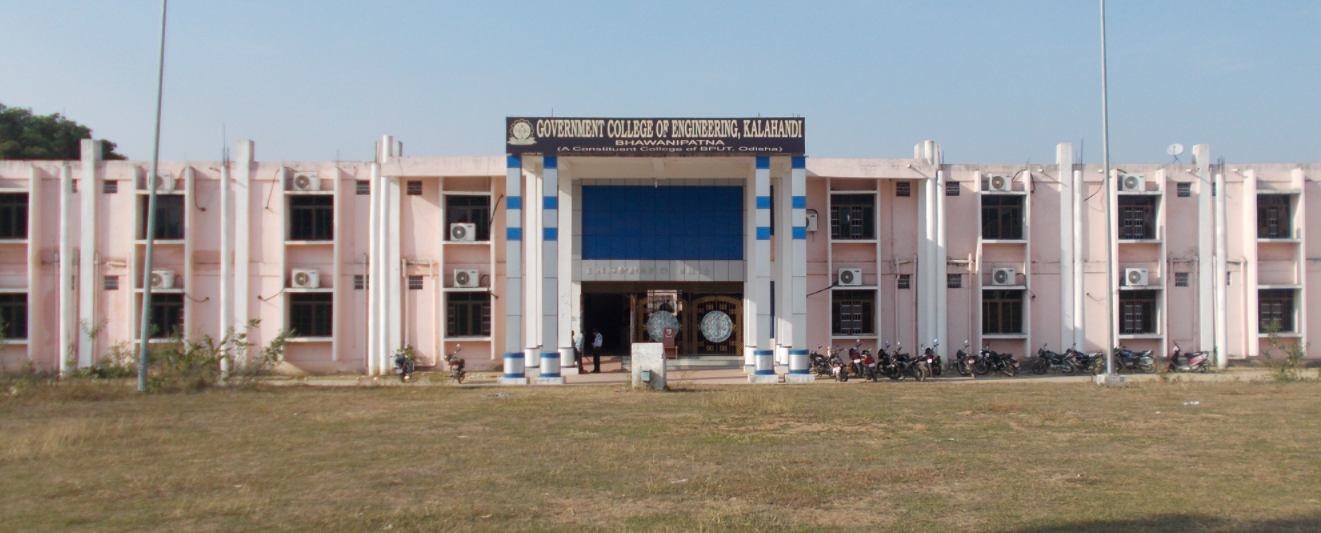
Ph.D. in English from Kalahandi University: Eligibility, Entrance Exam, Fee Structure, Admission Process, Subjects, Research Areas, Syllabus, Scholarship & Career Scope
Introduction about Ph.D. in English at Kalahandi University
Kalahandi University has emerged as a pivotal centre for literary scholarship in Odisha, offering a robust Ph.D. program in English designed for scholars who aspire to contribute original research to the fields of literature, linguistics, cultural studies, and critical theory. The doctorate emphasizes interdisciplinary perspectives, encouraging candidates to explore contemporary narratives, postcolonial discourse, and digital humanities. With seasoned faculty, state‑of‑the‑art research facilities, and a vibrant academic community, the university provides an inspiring environment for advanced study.
Eligibility Criteria for Ph.D. in English at Kalahandi University
Prospective candidates must satisfy the following minimum requirements:
- A master's degree in English or a related discipline (e.g., Comparative Literature, Linguistics) with at least 55% marks (or equivalent grade).
- Nationally recognized entrance test score (e.g., UGC NET, CSIR NET, KAU Ph.D. Entrance) OR a university‑conducted screening test.
- Eligibility for candidates with a M.Phil. in English is considered a direct entry, bypassing the entrance test requirement.
- For foreign nationals, a recognized equivalent qualification and English proficiency proof (IELTS/TOEFL) are mandatory.
The university also reserves the right to admit exceptionally qualified candidates based on research proposal strength, even if they fall slightly below the percentage threshold.
Entrance Exam for Ph.D. in English at Kalahandi University
The entrance examination comprises two stages:
- Written Test – 100 marks, covering Literary Theory, Critical Approaches, Research Methodology, and English Language Proficiency.
- Interview & Presentation – 50 marks, assessing the candidate’s research proposal, analytical abilities, and suitability for doctoral research.
Candidates may also be exempted from the written test if they hold a valid UGC NET or CSIR NET qualification.
Fee Structure for Ph.D. in English at Kalahandi University
| Component | Amount (INR) |
|---|---|
| Application Fee (online) | 1,500 |
| Admission Fee (once) | 10,000 |
| Annual Tuition & Lab Fee | 12,000 per annum |
| Library & Resource Centre Charge | 2,000 per annum |
| Examination & Evaluation Fee | 3,000 (per semester) |
| Total Approximate Cost (3‑year program) | ≈ 1,20,000 |
The university offers a fee waiver for meritorious students and those receiving external scholarships.
Admission Process for Ph.D. in English at Kalahandi University
The admission workflow follows a clear, step‑by‑step procedure:
- Online Application – Submit the completed form through the university portal, upload scanned copies of academic transcripts, and pay the non‑refundable application fee.
- Screening of Documents – The Admissions Committee verifies eligibility, marks, and research proposal completeness.
- Entrance Examination – Qualified applicants appear for the written test; NET/CSIR qualifiers receive direct interview calls.
- Interview & Presentation – Candidates present their research proposal to a panel of experts.
- Final Selection & Offer Letter – Successful candidates receive an admission letter and a provisional enrollment ID.
- Enrollment & Fee Payment – Pay the admission fee, submit original certificates, and register for the first semester.
For personalized guidance, consider PhD Admission Assistance to navigate each stage efficiently.
Ph.D. Subjects and Specializations in English at Kalahandi University
The doctoral program offers a range of specializations that align with global research trends:
- Literary Theory & Criticism
- Postcolonial & Subaltern Studies
- Digital Humanities & Textual Analytics
- Comparative Literature
- Applied Linguistics & Discourse Analysis
- Creative Writing & Narrative Studies
- Environmental Literature and Ecocriticism
Students may propose interdisciplinary topics that intersect with sociology, media studies, or cultural anthropology.
Research Areas in English at Kalahandi University
Faculty expertise shapes the following vibrant research domains:
- Indigenous and Tribal Narratives of Odisha
- Gender & Sexuality in South Asian Literature
- Translation Studies and Multilingualism
- Postmodern Narrative Structures
- Literature and Climate Change
- Film Adaptations of Classical Texts
- Digital Textual Encoding and Preservation
To strengthen your proposal, you may benefit from PhD Topic Selection and Proposal Assistance.
Documents Required for Ph.D. in English at Kalahandi University
| Document | Details / Format |
|---|---|
| Application Form | Online submission with e‑signature |
| Academic Transcripts | Original & verified copies of MA/M.Phil (PDF) |
| Entrance Test Scorecard | UGC NET / CSIR NET / KAU Ph.D. Entrance |
| Research Proposal | 1500‑2000 words, including objectives, methodology, bibliography |
| Curriculum Vitae | Professional format, highlighting publications & conferences |
| Identity Proof | Aadhaar / Passport (scanned) |
| Photographs | Two recent passport‑size, color |
| Letter of Recommendation | Two academic references on university letterhead |
Each document must be clear, legible, and submitted before the deadline. If you need polished presentation, explore Editing and Proofreading Services.
Kalahandi University Ph.D. Syllabus for English
The doctoral curriculum is structured into three phases:
- Coursework (Year 1) – Core modules such as Research Methodology, Advanced Literary Theory, and Critical Editions.
- Comprehensive Examination (End of Year 1) – Written and oral assessment covering major theoretical frameworks.
- Dissertation (Years 2‑3) – Independent research under a supervisory committee, culminating in a thesis defense.
Elective seminars may include Digital Archives, Comparative Postcolonial Studies, and Creative Writing Workshops.
How To Apply for Ph.D. in English at Kalahandi University
Follow these practical steps to submit a successful application:
- Visit the official Kalahandi University portal and click on “Ph.D. Admissions – English”.
- Register using a valid email address and create a secure password.
- Fill in personal, academic, and contact details; upload required documents in PDF format.
- Pay the Rs. 1,500 application fee through net banking or UPI.
- Submit the online form and note the generated application ID for future reference.
- Monitor your email for admit card, exam schedule, and interview invitation.
Applicants seeking comprehensive support can also connect with Research Publication Support to enhance their research output.
Career Scope and Job Opportunities After Ph.D. in English from Kalahandi University
A doctorate in English unlocks diverse professional pathways:
- Academic Positions – Lecturer, Assistant Professor, Associate Professor, or Department Head in universities and colleges.
- Research Fellowships – Positions at CSIR, ICSSR, Indian Council of Historical Research, and international think‑tanks.
- Publishing & Editorial Roles – Senior editor, acquisition editor, or literary agent in publishing houses.
- Content Strategy & Corporate Communications




