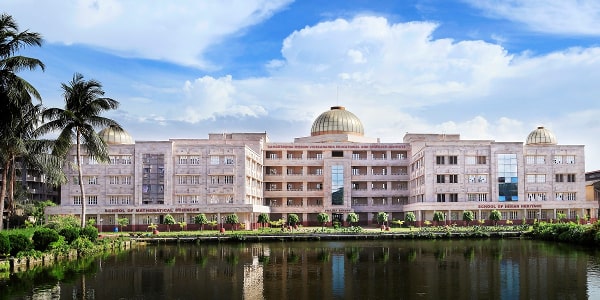
Introduction about Ph.D. in English at Ravenshaw University
Embarking on a Ph.D. in English at Ravenshaw University is more than just an academic pursuit; it is a transformative journey into the heart of human expression, culture, and critical thought. Ravenshaw University, a premier institution with a legacy spanning over 150 years, offers a fertile ground for scholars to explore the nuances of literature, linguistics, and cultural studies. For professionals seeking to elevate their intellectual profile, this program provides an unparalleled environment where tradition meets contemporary academic rigor. In the Department of English, research is not merely about accumulating data; it is about challenging existing paradigms and contributing original insights to the global literary discourse. To ensure your research meets international standards, many scholars often seek professional assistance through Thesis and Dissertation Writing Services to refine their complex arguments and structural presentation.
Ph.D Admission 2026-2027 & Writing Support Services by Shiksha Research
Eligibility Criteria for Ph.D. in English at Ravenshaw University
To maintain high standards of academic excellence, Ravenshaw University has established clear eligibility benchmarks for its doctoral candidates. Candidates must possess a Master?s degree in English or a related discipline from a recognized university.
- Minimum Marks: A minimum of 55% aggregate marks or an equivalent grade (B in the UGC 7-point scale) is required at the Post-Graduate level.
- Relaxation: A relaxation of 5% marks (from 55% to 50%) is provided for candidates belonging to SC/ST/OBC (non-creamy layer)/Differently-abled categories.
- Professional Qualifications: Professionals with significant experience in literary research or educational administration are encouraged to apply, provided they meet the basic academic requirements.
Entrance Exam for Ph.D. in English at Ravenshaw University
Admission to the Ph.D. program is primarily determined through the Ravenshaw University Research Entrance Test (RET). This exam is designed to evaluate the candidate's aptitude for research, critical thinking abilities, and depth of subject knowledge. The RET typically consists of two sections: Research Methodology and the Subject-Specific (English) component.
Candidates who have successfully cleared the UGC-NET (including JRF), UGC-CSIR NET (including JRF), SLET, GATE, or hold a teacher fellowship are generally exempted from the written entrance test but must still appear for the personal interview. Preparing for such exams often requires a deep dive into previous studies; scholars aiming for publication excellence frequently utilize Research Paper Writing Services to understand the nuances of academic publication and peer-review requirements.
Fee Structure for Ph.D. in English at Ravenshaw University
The fee structure at Ravenshaw University is designed to be affordable while maintaining the quality of resources and facilities provided to doctoral scholars. Below is a breakdown of the approximate costs involved:
| Fee Head | Approximate Amount (INR) | Frequency |
|---|---|---|
| Admission/Registration Fee | ?10,000 - ?15,000 | One-time |
| Coursework Fee | ?5,000 - ?8,000 | One-time |
| Annual Tuition Fee | ?4,000 - ?6,000 | Per Annum |
| Library & Utility Charges | ?2,000 - ?3,000 | Per Annum |
| Thesis Submission Fee | ?10,000 - ?12,000 | At the time of submission |
Note: The fees mentioned above are subject to change based on university notifications. Additional charges may apply for laboratory work or specialized data access.
Admission Process for Ph.D. in English at Ravenshaw University
The admission process is a multi-stage funnel designed to identify the most dedicated and capable researchers. It starts with an official notification on the university website, followed by the application phase.
- Notification: The university announces Ph.D. vacancies usually once a year.
- Application: Candidates must submit their forms online along with a research proposal.
- Entrance Exam (RET): Eligible candidates appear for the written examination.
- Interview/Viva-voce: Shortlisted candidates (including those exempted from RET) are called to discuss their research interest and potential.
- Final Selection: A merit list is prepared based on the performance in the entrance test (or NET scores) and the interview.
Ph.D. Subjects and Specializations in English at Ravenshaw University
The Department of English at Ravenshaw offers a broad spectrum of specializations, allowing scholars to align their research with their personal and professional interests. Specializations include but are not limited to:
- British Literature (From Renaissance to Contemporary)
- American and Commonwealth Literature
- Indian Writing in English (IWE) and Translation Studies
- Post-colonial Studies and Cultural Theory
- Linguistics and English Language Teaching (ELT)
- Gender Studies and Ecocriticism
Research Areas in English at Ravenshaw University
Ravenshaw University emphasizes interdisciplinary research that bridges the gap between traditional literary analysis and modern socio-cultural issues. Current research areas focus on the digital humanities, subaltern studies, and the evolution of the Odia identity within global English literature.
When dealing with complex linguistic patterns or large-scale literary surveys, scholars may benefit from professional Research Data Analysis Services to ensure their qualitative or quantitative findings are robust and statistically sound. These services help in interpreting complex textual data into meaningful research outcomes.
Documents Required for Ph.D. in English at Ravenshaw University
Candidates are required to keep the following documents ready for the admission and registration process:
- Post-Graduate Degree Certificate and Marksheets (Self-attested copies).
- Undergraduate Degree and Marksheets.
- UGC-NET/JRF/SLET Certificate (if applicable).
- Detailed Research Proposal (Synopsis).
- No Objection Certificate (NOC) from the employer (for working professionals).
- Caste Certificate (if applying under reserved categories).
- Passport size photographs and Identity Proof (Aadhar/Voter ID).
Ravenshaw University Ph.D. Syllabus for English
The Ph.D. program starts with a mandatory six-month coursework period. The syllabus for the coursework is designed to equip the scholar with the necessary tools for high-level academic inquiry.
- Paper I: Research Methodology ? Focuses on research ethics, styles of documentation (MLA, APA), and methods of literary criticism.
- Paper II: Advanced Literary Theory ? Covers structuralism, post-structuralism, feminism, and psychoanalytic criticism.
- Paper III: Elective Paper ? Specialized study related to the candidate's chosen research area.
- Paper IV: Literature Review ? Practical application of scanning existing literature.
In the methodology phase, designing the right instruments is crucial. Scholars often rely on Questionnaire Design and Development when conducting sociolinguistic surveys or reader-response studies to gather empirical evidence.
How To Apply for Ph.D. in English at Ravenshaw University
Following these steps will ensure a smooth application process:
- Visit the official Ravenshaw University website (ravenshawuniversity.ac.in).
- Navigate to the 'Admission' or 'Ph.D. Portal' section.
- Register by creating a username and password.
- Fill out the application form with accurate personal and academic details.
- Upload scanned copies of the required documents and your research proposal.
- Pay the application fee through the integrated online payment gateway.
- Print the confirmation page for future reference.
Career Scope and Job Opportunities After Ph.D. in English from Ravenshaw University
A Ph.D. from a prestigious institution like Ravenshaw opens doors to diverse and lucrative career paths. Professionals can transition into:
- Academia: Becoming Assistant Professors in universities and colleges worldwide.
- Editorial Leadership: Working as Senior Editors or Content Strategists for top-tier publishing houses.
- Corporate Training: Specializing in Soft Skills, Communication, and Intercultural training for MNCs.
- Policy Analysis: Working with NGOs and Think Tanks on cultural policy and educational reforms.
- Freelance Research & Consultancy: Providing expert literary and linguistic consultancy.
Scholarship for Ph.D. in English at Ravenshaw University
Ravenshaw University supports its researchers through various financial aid schemes. Meritorious students who have cleared JRF receive a substantial monthly fellowship from the UGC. Furthermore, the university offers state-funded scholarships and institutional fellowships for non-NET scholars based on merit and the availability of funds. Scholars are encouraged to apply for the "Biju Patnaik Research Fellowship" and other Government of Odisha initiatives that support higher education.
FAQs Regarding Ph.D. in English at Ravenshaw University
1. Can I pursue a Ph.D. in English while working full-time?
Working professionals can apply, but they must provide an NOC from their employer and complete the mandatory six-month coursework in a regular mode as per UGC guidelines.
2. What is the duration of the Ph.D. program in English?
The minimum duration is three years (including coursework), and the maximum is usually six years. Extensions are granted under specific circumstances.
3. Is there an entrance exam for NET-qualified candidates?
Candidates with UGC-NET (including JRF) or SLET are generally exempted from the written test but must qualify in the interview segment.
4. How important is the research proposal during the interview?
The research proposal is vital. It demonstrates your clarity of thought, the feasibility of your research, and your familiarity with the subject area.
5. Does the university provide hostel facilities for Ph.D. scholars?
Yes, Ravenshaw University provides hostel accommodation for research scholars based on availability and university norms.
In conclusion, pursuing a Ph.D. in English at Ravenshaw University is a prestigious endeavor that demands dedication, curiosity, and a passion for literature. With its rich history and commitment to modern research standards, Ravenshaw remains a top choice for scholars aiming to make a significant impact in the field of English studies.




