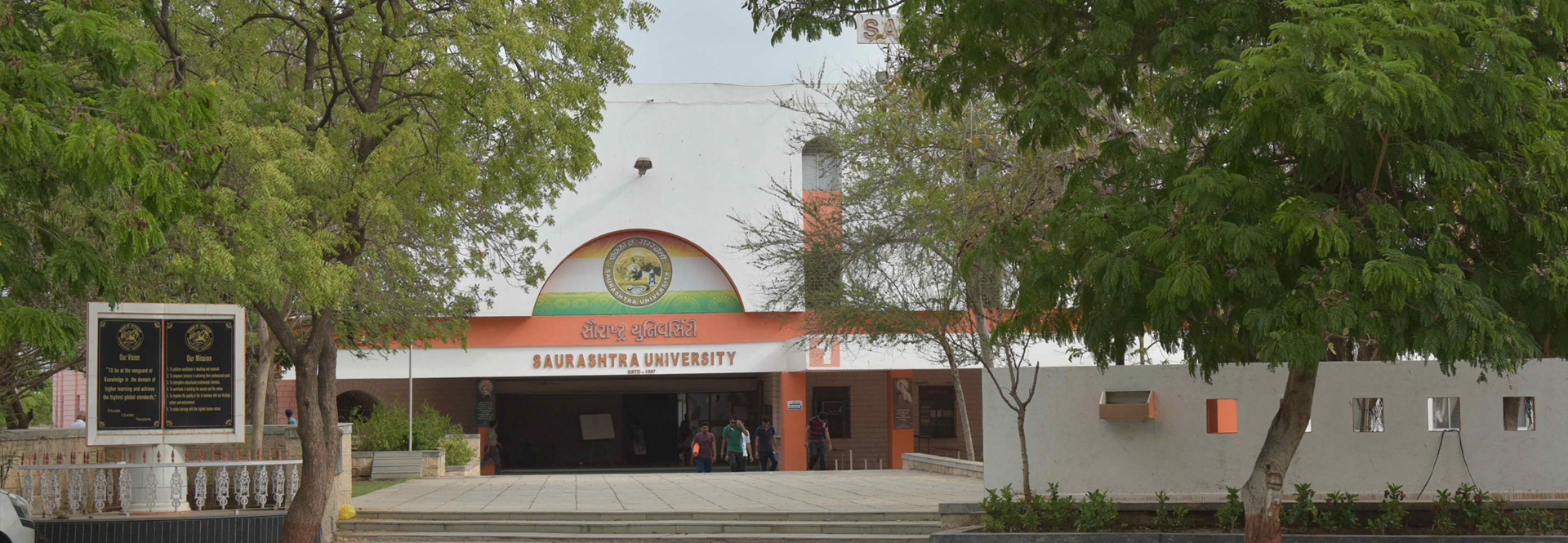
Ph.D. in English from Saurashtra University: Eligibility, Entrance Exam, Fee Structure, Admission Process, Subjects, Research Areas, Syllabus, Scholarship & Career Scope
Introduction about Ph.D. in English at Saurashtra University
Saurashtra University, a distinguished center of higher learning in Gujarat, offers a rigorous Ph.D. in English designed for scholars eager to deepen their expertise in literature, linguistics, cultural studies, and critical theory. This doctoral program blends intensive research mentorship with a vibrant academic community, fostering an environment where innovative ideas flourish. Whether your ambition lies in academia, publishing, or cultural consultancy, the program equips you with the analytical tools and scholarly rigor necessary to become a thought leader in the field of English studies.
Eligibility Criteria for Ph.D. in English at Saurashtra University
Prospective candidates must meet the following minimum qualifications:
- A Master’s degree (M.A.) in English or a closely related discipline with at least 55% aggregate marks (or equivalent CGPA).
- For candidates holding a UGC‑NET/SET qualification, the minimum marks requirement is waived.
- Age limit: there is no upper age restriction, encouraging lifelong learning.
- Candidates should possess a strong academic record, demonstrable research aptitude, and proficiency in English language skills.
International students are also welcome, provided they satisfy the equivalence criteria set by the university’s International Admissions Office.
Entrance Exam for Ph.D. in English at Saurashtra University
The entrance assessment comprises two components:
- Written Test: A 2‑hour examination covering literary theory, research methodology, and critical analysis of selected texts.
- Interview: A panel interview to evaluate research proposal, scholarly potential, and alignment with faculty expertise.
Candidates who have cleared the UGC‑NET or SET are exempted from the written test, proceeding directly to the interview stage.
Fee Structure for Ph.D. in English at Saurashtra University
The fee schedule is structured to remain affordable while ensuring high‑quality academic resources. The table below outlines the typical cost breakdown for the regular (full‑time) mode of study:
| Fee Component | Amount (INR) | Notes |
|---|---|---|
| Admission Application Fee | 1,500 | One‑time, non‑refundable |
| Annual Tuition Fee | 12,000 | Payable at the start of each academic year |
| Laboratory / Library Charges | 2,000 | Includes access to digital repositories |
| Examination & Evaluation Fee | 3,000 | Applicable per semester |
| Total Approximate Cost (3‑year program) | 45,500 | Excluding scholarships and waivers |
Admission Process for Ph.D. in English at Saurashtra University
The streamlined admission workflow consists of the following steps:
- Online Application: Submit the application form through the university’s portal, uploading academic transcripts and a brief research proposal.
- Document Verification: The admissions office verifies eligibility, marksheets, and certificates.
- Entrance Examination: Appear for the written test (if applicable) followed by the interview.
- Selection & Offer Letter: Successful candidates receive an official admission letter along with fee payment instructions.
- Enrollment: Pay the first installment of fees and complete enrollment formalities.
The entire process typically spans 4‑6 weeks from application submission to enrollment.
Ph.D. Subjects and Specializations in English at Saurashtra University
The doctoral program offers a range of thematic specializations, allowing scholars to focus on niche areas of interest:
- Postcolonial Literature and Theory
- Comparative Literary Studies
- Digital Humanities and Textual Analysis
- Creative Writing and Narrative Structures
- Gender Studies and Feminist Criticism
- Historical Linguistics of the English Language
- Translation Studies
Faculty mentors with expertise in each domain guide candidates through customized research pathways.
Research Areas in English at Saurashtra University
Current research clusters at the university reflect both traditional scholarship and emerging interdisciplinary trends:
- Ecocriticism and Environmental Narratives
- Media, Film, and Adaptation Studies
- Philosophy of Language and Semiotics
- Global Englishes and World Literature
- Digital Archiving and Preservation of Manuscripts
- Literature of Migration and Diaspora
Students are encouraged to collaborate with the Centre for Cultural Studies for cross‑departmental projects.
Documents Required for Ph.D. in English at Saurashtra University
A complete set of documents is crucial for a smooth admission experience. The checklist below details the mandatory items:
| Document | Format | Remarks |
|---|---|---|
| Application Form (online) | PDF/HTML | Submitted via university portal |
| Academic Transcripts (M.A. and prior degrees) | Certified copies | Must be attested by issuing institution |
| UGC‑NET/SET Score Card (if applicable) | Original and self‑attested copy | |
| Research Proposal (max 2000 words) | Word Document | Aligned with faculty interests |
| Curriculum Vitae | Include publications and conference papers | |
| Identity Proof (Aadhaar/Passport) | Scanned copy | Valid for verification |
Saurashtra University Ph.D. Syllabus for English
The doctoral syllabus is structured around three core pillars:
- Foundation Courses – Research methodology, advanced literary theory, and academic writing.
- Specialization Modules – Tailored to the chosen area of focus (e.g., Postcolonial Studies, Digital Humanities).
- Dissertation – Original research culminating in a defended thesis of 80,000‑100,000 words.
Periodic seminars, workshops, and publishing opportunities are integrated throughout the program to enhance scholarly proficiency.
How To Apply for Ph.D. in English at Saurashtra University
Follow these practical steps to submit a successful application:
- Visit the official Saurashtra University website and navigate to the Ph.D. Admissions section.
- Register using a valid email address and create a secure password.
- Complete the online application form, ensuring accurate entry of personal and academic details.
- Upload scanned copies of all required documents as per the checklist.
- Pay the non‑refundable application fee via the integrated payment gateway.
- Submit the form and note the application reference number for future correspondence.
- Monitor your email for notifications regarding entrance exam dates or interview schedules.
After clearing the selection process, you will receive a formal admission offer and instructions for enrollment.
Career Scope and Job Opportunities After Ph.D. in English from Saurashtra University
Graduates of the Ph.D. program enjoy diverse career trajectories, including:
- Academic Positions: Assistant Professor, Associate Professor, or Tenured Faculty roles in universities and colleges.
- Research Fellowships: Opportunities at national research institutes, think‑tanks, and literary foundations.
- Publishing & Editing: Senior editor, literary agent, or content strategist for publishing houses and media organizations.
- Cultural Consultancy: Advisory roles for museums, heritage projects, and government cultural departments.
- Digital Content Development: Curating digital archives, creating e‑learning modules, and leading digital humanities initiatives.




