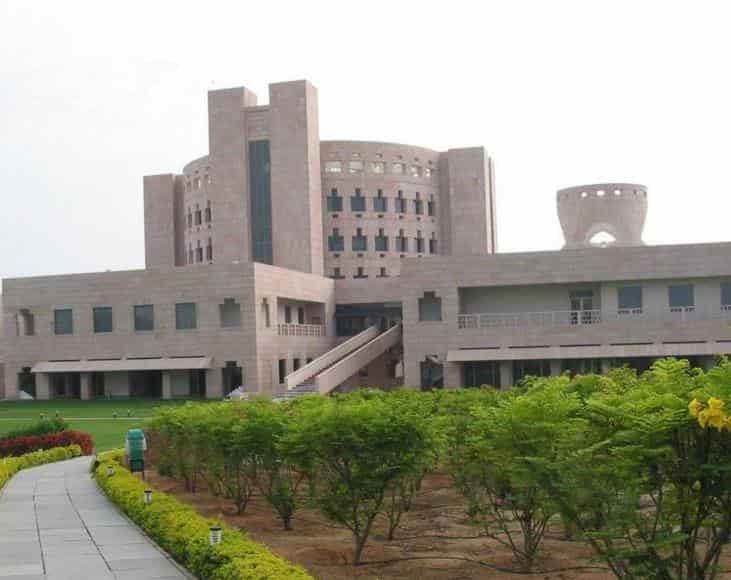
Introduction about Ph.D. in Environmental Science at Makhanlal Chaturvedi National University of Journalism and Communication
Embarking on a journey to pursue a Ph.D. in Environmental Science at Makhanlal Chaturvedi National University of Journalism and Communication (MCNUJC) is a transformative step for professionals committed to addressing the most pressing ecological challenges of our era. This doctoral program stands as a beacon for those who wish to merge the rigor of scientific research with the influential power of effective communication, shaping policies that safeguard our planet's future. By integrating interdisciplinary approaches, MCNUJC provides an intellectually stimulating environment where scholars can innovate and contribute to global sustainable development goals.
If you are looking to advance your academic career, our PhD Admission Assistance can guide you through the complexities of enrollment, while our PhD Topic Selection and Proposal Assistance ensures your research foundation is robust and impactful.
Eligibility Criteria for Ph.D. in Environmental Science at Makhanlal Chaturvedi National University of Journalism and Communication
To be eligible for the Ph.D. program in Environmental Science, candidates must hold a Master?s degree in Environmental Science or a closely related field from a recognized university. A minimum of 55% aggregate marks (or an equivalent CGPA) is generally required for general category candidates, with relaxations provided for reserved categories as per government norms. Professional experience in research or environmental advocacy is often considered an added advantage for applicants.
Entrance Exam for Ph.D. in Environmental Science at Makhanlal Chaturvedi National University of Journalism and Communication
The selection process involves a stringent Research Entrance Test (RET) designed to evaluate the candidate's research aptitude, analytical reasoning, and subject-specific knowledge in Environmental Science. The test typically comprises objective-type questions covering research methodology and core environmental concepts. Candidates who have qualified for national-level fellowships such as UGC-NET (including JRF), CSIR-NET, or SLET may be exempted from the written entrance exam, though they must still appear for the personal interview round.
Fee Structure for Ph.D. in Environmental Science at Makhanlal Chaturvedi National University of Journalism and Communication
| Fee Component | Estimated Amount (INR) |
|---|---|
| Registration Fee | 5,000 |
| Annual Coursework Fee | 25,000 |
| Thesis Submission & Viva Fee | 15,000 |
| Library & Lab Charges | 10,000 |
Admission Process for Ph.D. in Environmental Science at Makhanlal Chaturvedi National University of Journalism and Communication
The admission process is highly competitive and transparent. It begins with the submission of an online application form once the university releases the official notification. Shortlisted candidates based on the entrance exam or exemption status are invited for a personal interview, where they must present their research proposal. Final admission is granted based on the cumulative scores of the written test/exemption criteria and the interview performance.
Ph.D. Subjects and Specializations in Environmental Science at Makhanlal Chaturvedi National University of Journalism and Communication
The curriculum is designed to foster deep technical expertise. Key subjects include Environmental Ethics, Climate Change Mitigation, Research Methodology, Sustainable Resource Management, and Environmental Journalism. Students are encouraged to develop specializations that bridge science and media, ensuring their research reaches both academic and public spheres.
Research Areas in Environmental Science at Makhanlal Chaturvedi National University of Journalism and Communication
Research at MCNUJC thrives on innovation. Scholars focus on areas such as:
- Environmental Communication and Public Policy
- Climate Change Adaptation Strategies
- Solid Waste Management and Sustainability
- Impact of Media on Environmental Awareness
- Biodiversity Conservation and Management
Documents Required for Ph.D. in Environmental Science at Makhanlal Chaturvedi National University of Journalism and Communication
Candidates must ensure they have all necessary academic records ready to ensure a smooth application process. Required documents include:
- Class 10th and 12th Marksheets/Certificates
- UG and PG Degree Marksheets and Certificates
- Migration and Transfer Certificate
- Research Statement/Proposal
- Valid Photo Identity Proof (Aadhar Card/Passport)
- Caste/Category Certificate (if applicable)
Makhanlal Chaturvedi National University of Journalism and Communication Ph.D. Syllabus for Environmental Science
The coursework typically spans one semester, covering Advanced Research Methodology, Literature Review techniques, Quantitative Data Analysis in Environmental Science, and specialized modules related to the candidate's chosen research domain. This syllabus ensures that every scholar is equipped with the tools to produce high-quality, peer-reviewed research.
How To Apply for Ph.D. in Environmental Science at Makhanlal Chaturvedi National University of Journalism and Communication
Candidates can apply by visiting the official university website. Fill out the registration form, upload scanned copies of required academic documents, and pay the non-refundable application fee. If you need professional assistance with your application, consider utilizing our expert services to ensure your documents meet all university standards.
Career Scope and Job Opportunities After Ph.D. in Environmental Science from Makhanlal Chaturvedi National University of Journalism and Communication
Graduates find themselves in a unique position to influence global policy. Careers include positions as Environmental Consultants, Policy Analysts, Research Scientists, Academic Professors, and Environmental Journalists. The interdisciplinary nature of an MCNUJC degree allows you to pivot between corporate environmental sustainability sectors and influential media/journalism houses. If you are aiming for high-level recognition in your field, you may also explore the possibilities of obtaining an Honorary Doctorate Programs based on your professional contributions.
Scholarship for Ph.D. in Environmental Science at Makhanlal Chaturvedi National University of Journalism and Communication
MCNUJC supports deserving candidates through various fellowship programs. Students are encouraged to apply for JRF (Junior Research Fellowship) and other state-sponsored research scholarships to subsidize their living and research expenses. The university also offers internal merit-based financial aid for candidates demonstrating exceptional research potential.
FAQs Regarding Ph.D. in Environmental Science at Makhanlal Chaturvedi National University of Journalism and Communication
Q: Is the Ph.D. program part-time or full-time?
A: The university offers both modes, though full-time is recommended for dedicated researchers.
Q: Are there any Editing and Proofreading Services available for my thesis?
A: While the university provides guidance, many students opt for external professional proofreading to ensure their thesis meets international publication standards.
Q: Can working professionals apply?
A: Yes, provided they can commit to the residency/coursework requirements of the university.




