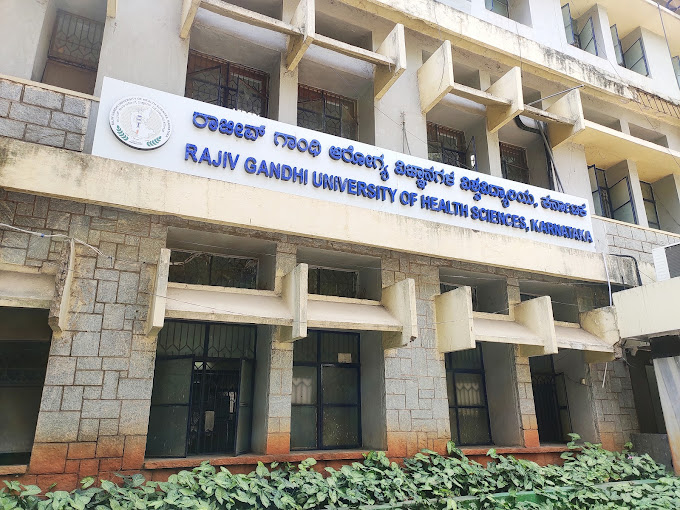
Introduction about Ph.D. in Forensic Sciences at Rajiv Gandhi University of Health Sciences
Embarking on a Ph.D. in Forensic Sciences at Rajiv Gandhi University of Health Sciences (RGUHS) offers professionals a unique platform to blend scientific rigor with legal relevance. This doctoral programme is meticulously designed to nurture investigative thinkers capable of advancing forensic methodologies, influencing policy, and driving innovation across criminal justice, biomedical, and environmental sectors. With state‑of‑the‑art laboratories, interdisciplinary collaborations, and mentorship from internationally recognized scholars, RGUHS creates an inspirational environment where ambition meets opportunity.
Eligibility Criteria for Ph.D. in Forensic Sciences at Rajiv Gandhi University of Health Sciences
Prospective candidates must possess a Master’s degree (M.Sc., M.D., or equivalent) in Forensic Science, Chemistry, Biology, Biochemistry, Biotechnology, or related fields, secured with a minimum of 55% aggregate (or CGPA 6.0 on a 10‑point scale). Candidates who have cleared the UGC‑NET, CSIR‑NET, or other recognized national eligibility tests are exempted from the university’s entrance examination. Additionally, a valid GATE score in relevant disciplines can strengthen the application, especially for candidates seeking research scholarships.
Entrance Exam for Ph.D. in Forensic Sciences at Rajiv Gandhi University of Health Sciences
The entrance assessment comprises two stages: a written test and a personal interview. The written component evaluates foundational knowledge in forensic toxicology, DNA analysis, crime scene management, and legal aspects of evidence handling. Questions are a mix of multiple‑choice, short answer, and case‑based problem solving. Candidates who have previously qualified in UGC‑NET, CSIR‑NET, or GATE are directly invited for the interview, where their research proposal, analytical skills, and motivation are examined.
Fee Structure for Ph.D. in Forensic Sciences at Rajiv Gandhi University of Health Sciences
RGUHS maintains a transparent fee structure that supports both full‑time scholars and working professionals. Tuition and other academic fees are periodically revised, and the table below reflects the latest figures (as of the 2025‑26 academic year):
| Category | Annual Fee (INR) | Additional Charges |
|---|---|---|
| General (Full‑time) | ₹ 45,000 | Lab usage: ₹ 5,000; Library: ₹ 2,000 |
| SC/ST/PWD | ₹ 22,500 (50% concession) | Lab usage: ₹ 5,000; Library: ₹ 2,000 |
| Working Professionals (Part‑time) | ₹ 60,000 | Lab usage: ₹ 8,000; Library: ₹ 2,500 |
| Scholarship Recipients | ₹ 0 (full waiver) | Nominal lab charge: ₹ 1,000 |
Admission Process for Ph.D. in Forensic Sciences at Rajiv Gandhi University of Health Sciences
The admission journey is streamlined into five clear steps:
- Online Application: Submit the completed application form through the university portal along with scanned copies of academic certificates.
- Document Verification: The admissions office validates all uploaded documents and confirms eligibility.
- Entrance Examination: Eligible candidates appear for the written test, unless exempted by a national eligibility test.
- Interview & Proposal Review: Shortlisted aspirants present a concise research proposal and undergo a viva‑voce with the department panel.
- Final Admission Offer: Successful candidates receive an official admission letter, fee payment details, and orientation schedule.
For personalized guidance, candidates can explore PhD Admission Assistance to navigate the process efficiently.
Ph.D. Subjects and Specializations in Forensic Sciences at Rajiv Gandhi University of Health Sciences
RGUHS offers a breadth of specializations, allowing scholars to tailor their research trajectory:
- Forensic Toxicology and Drug Metabolism
- DNA Profiling and Molecular Forensics
- Digital Forensics and Cybercrime Investigation
- Forensic Anthropology and Osteology
- Crime Scene Reconstruction and Evidence Management
- Environmental Forensics and Pollution Tracing
Research Areas in Forensic Sciences at Rajiv Gandhi University of Health Sciences
Current research thrusts align with global challenges and emerging technologies:
- Development of rapid immunoassay kits for novel psychoactive substances.
- Next‑generation sequencing (NGS) applications in mixed‑sample DNA analysis.
- Artificial intelligence‑driven pattern recognition for fingerprint and facial recognition.
- Blockchain integration for chain‑of‑custody documentation.
- Microbial forensics for bioterrorism threat assessment.
- Forensic entomology to improve post‑mortem interval estimations.
Documents Required for Ph.D. in Forensic Sciences at Rajiv Gandhi University of Health Sciences
Applicants must compile the following documents in PDF format:
| Document | Details |
|---|---|
| Academic Transcripts | Mark sheets of Bachelor’s and Master’s degrees (certified copy). |
| Degree Certificates | Original degree certificates with digital signatures. |
| Qualified NET/GATE Scorecard | If applicable, attach the official scorecard. |
| Research Proposal | 2‑3 page synopsis outlining objectives, methodology, and expected outcomes. |
| Curriculum Vitae | Detailed CV highlighting publications, projects, and professional experience. |
| Letter of Recommendation | Two academic references from supervisors or mentors. |
| Identity Proof | Aadhar card or passport copy. |
Rajiv Gandhi University of Health Sciences Ph.D. Syllabus for Forensic Sciences
The doctoral syllabus is structured across four semesters, integrating coursework, lab rotations, and dissertation milestones. Core modules include:
- Advanced Forensic Chemistry and Analytical Techniques
- Statistical Methods for Forensic Data Interpretation
- Legal Frameworks and Ethics in Forensic Investigation
- Research Methodology and Scientific Writing
- Seminars on Emerging Technologies in Forensics
Students also select elective modules aligned with their specialization, such as Neuro‑Forensics or International Forensic Standards. Regular progress reviews ensure timely completion of the dissertation.
How To Apply for Ph.D. in Forensic Sciences at Rajiv Gandhi University of Health Sciences
Applying online is straightforward:
- Visit the official RGUHS admissions portal and create a user account.
- Complete the application form, upload the required PDFs, and pay the non‑refundable application fee (₹ 2,000).
- Submit the research proposal and indicate preferred specialization.
- Track application status via the portal; download the admit card when shortlisted for the entrance test.
- After clearing the test and interview, accept the admission offer and register for fee payment.
For expert guidance in crafting a compelling proposal, consider PhD Topic Selection and Proposal Assistance.
Career Scope and Job Opportunities After Ph.D. in Forensic Sciences from Rajiv Gandhi University of Health Sciences
Graduates enjoy a diverse career landscape:
- Academic Positions: Assistant Professor, Associate Professor, or Department Head in universities and research institutes.
- Government Agencies: Roles in Central Bureau of Investigation (CBI), National Forensic Sciences University (NFSU), and state forensic labs.
- Law Enforcement: Senior forensic analyst, crime scene supervisor, or forensic consultant for police departments.
- Private Sector: R&D scientist in pharmaceutical, biotech, or cyber‑security firms.
- International Organizations: Expert consultant for Interpol, WHO, or UN‑ODC on forensic standards.
- Entrepreneurship: Founding forensic consultancy firms or developing forensic technology startups.
To enhance employability, students often engage in Research Publication Support and attend industry‑focused workshops.
Scholarship for Ph.D. in Forensic Sciences at Rajiv Gandhi University of Health Sciences
RGUHS offers several merit‑based and need‑based scholarships:
- RGUHS Doctoral Fellowship: Covers tuition, provides a monthly stipend of ₹ 15,000, and includes travel allowance for conferences.
- UGC‑JRF (Junior Research Fellowship): National award providing ₹




