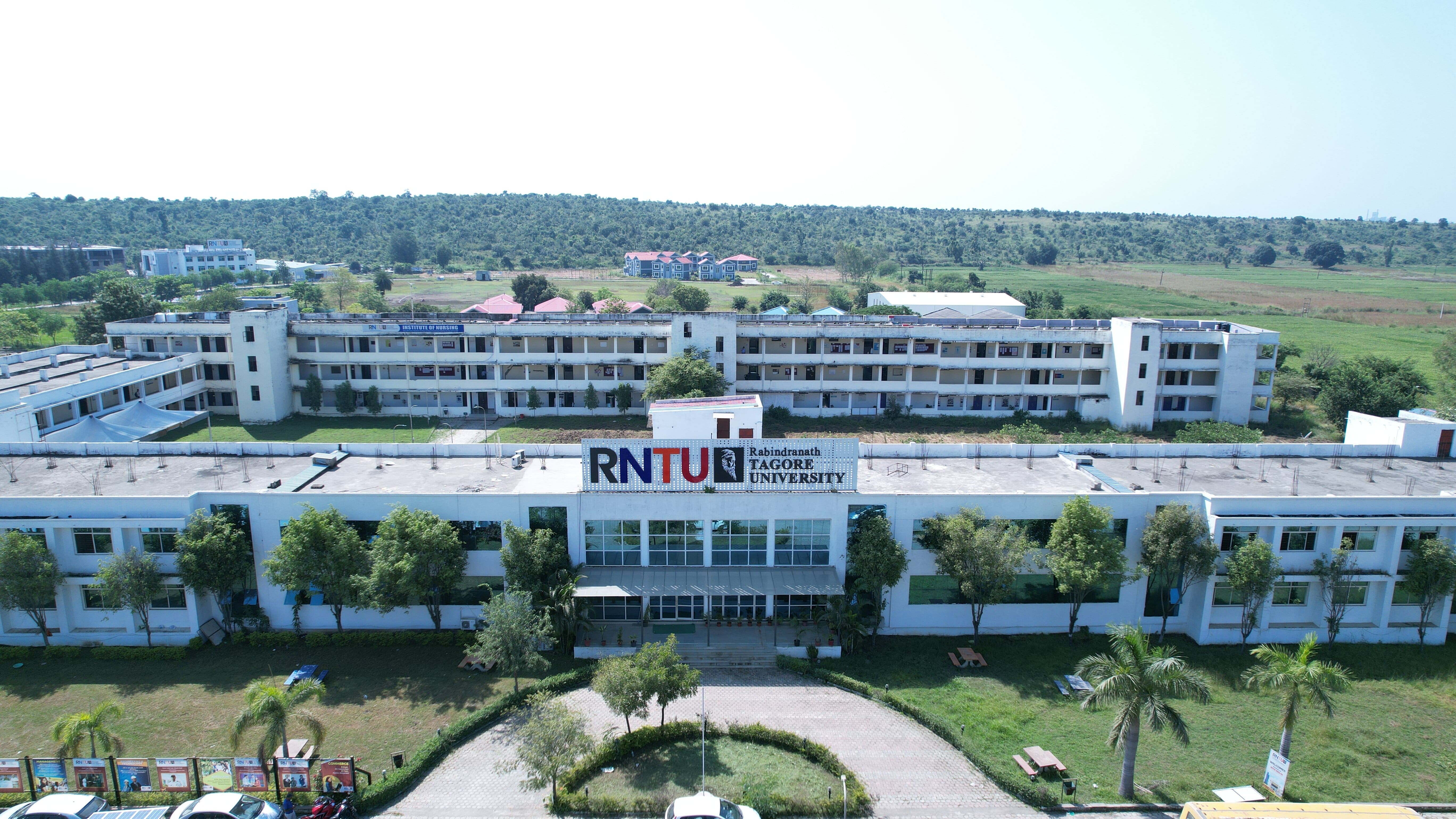
Ph.D. in Genetics & Plant Breeding from Rabindranath Tagore University: Eligibility, Admission, Fee, Syllabus & Career
Introduction about Ph.D. in Genetics & Plant Breeding at Rabindranath Tagore University
The pursuit of a Ph.D. in Genetics & Plant Breeding at Rabindranath Tagore University represents a transformative journey for ambitious agricultural scientists and researchers. As global food security faces unprecedented challenges, the need for experts capable of innovating crop improvement, genetics, and biotechnology has never been higher. This program is designed to provide scholars with an rigorous academic environment, advanced laboratory facilities, and the guidance of distinguished faculty members. Whether you are aiming to develop resilient crop varieties or decode complex genetic structures, this Ph.D. program equips you with the analytical tools to create a sustainable agricultural future.
Expert research requires specialized support. If you find yourself needing assistance, explore our Thesis and Dissertation Writing Services to ensure your research work meets the highest academic standards.
Eligibility Criteria for Ph.D. in Genetics & Plant Breeding at Rabindranath Tagore University
To embark on this doctoral journey, candidates must meet specific academic requirements set by the university. Generally, a candidate must hold a Master?s degree in Genetics and Plant Breeding, Agriculture, or a closely related biological field from a recognized university. A minimum aggregate of 55% marks (or an equivalent grade/CGPA) is typically required for General candidates, with 5% relaxation for SC/ST/OBC (non-creamy layer) and differently-abled categories. Candidates with a valid score in national-level exams such as ICAR-NET, GATE, or UGC-NET may be granted certain exemptions based on the university's internal policies.
Entrance Exam for Ph.D. in Genetics & Plant Breeding at Rabindranath Tagore University
Admission is governed by a merit-based approach, often involving a University Research Entrance Test (RET). The test evaluates a candidate's research methodology, quantitative aptitude, and subject-specific knowledge in Genetics and Plant Breeding. Successful candidates proceed to a personal interview and presentation, where they defend their proposed research objective. Refining your approach to data before this stage is crucial; consider utilizing Research Data Analysis Services to ensure your preliminary findings are robust.
Fee Structure for Ph.D. in Genetics & Plant Breeding at Rabindranath Tagore University
| Fee Component | Details (Indicative) |
|---|---|
| Registration Fee | INR 5,000 - 10,000 |
| Annual Tuition Fee | INR 60,000 - 90,000 |
| Laboratory/Library Fee | INR 10,000 - 15,000 |
| Thesis Submission Fee | INR 15,000 |
Admission Process for Ph.D. in Genetics & Plant Breeding at Rabindranath Tagore University
The admission process is transparent and highly competitive. Applicants must first fill out the online application form. Post-submission, the university shortlists candidates for the entrance test. Once qualified, candidates participate in a viva-voce where they present their research proposal to the Departmental Research Committee (DRC). Getting your Research Paper Writing Services needs sorted early in your career helps in showcasing your academic potential during these interviews.
Ph.D. Subjects and Specializations in Genetics & Plant Breeding at Rabindranath Tagore University
The curriculum is designed to push the boundaries of current agricultural science. Key areas of study include Advanced Biometry, Quantitative Genetics, Molecular Breeding, Cytogenetics, and Mutation Breeding. Scholars are encouraged to specialize in areas like genomic selection, marker-assisted breeding, and transgenic crop development to address field-level issues in crop production.
Research Areas in Genetics & Plant Breeding at Rabindranath Tagore University
Research at the university is focused on innovation. Key areas include identifying genes for drought and heat tolerance, bio-fortification of staple crops, improving nutritional profiles, and integrating climate-smart agriculture practices. If your research involves surveys, our Questionnaire Design and Development tools can help you gather high-quality primary data.
Documents Required for Ph.D. in Genetics & Plant Breeding at Rabindranath Tagore University
- Post-graduate degree certificate and mark sheets.
- Migration and Transfer certificates.
- Recent passport-sized photographs.
- Identity proof (Aadhar Card/PAN Card).
- Research Proposal (Hard and Soft copy).
- No Objection Certificate (for working professionals).
Rabindranath Tagore University Ph.D. Syllabus for Genetics & Plant Breeding
The syllabus is bifurcated into mandatory coursework and independent research. Coursework covering Research Methodology, Computer Applications in Agriculture, and Advanced Genetics is completed in the first year. Following this, the remaining time is dedicated to experimental work, resulting in the final dissertation.
How To Apply for Ph.D. in Genetics & Plant Breeding at Rabindranath Tagore University
Visit the official Rabindranath Tagore University website, register as a new user, fill in the application form, upload mandatory documents, and pay the non-refundable registration fee. Ensure all details are cross-checked before the final submission to avoid technical delays.
Career Scope and Job Opportunities After Ph.D. in Genetics & Plant Breeding from Rabindranath Tagore University
Graduates find lucrative roles as Plant Breeders, Geneticists, Agricultural Consultants, and Research Scientists in government bodies like ICAR, state agricultural departments, or global seed companies (Bayer, Syngenta, etc.). Academia also remains a prime choice, with opportunities as Assistant Professors or Principal Investigators in research labs.
Scholarship for Ph.D. in Genetics & Plant Breeding at Rabindranath Tagore University
The university offers several merit-based scholarships. Additionally, scholars can apply for national fellowships such as the INSPIRE Fellowship, Rajiv Gandhi National Fellowship, or ICAR-JRF/SRF, which provide monthly financial assistance for the duration of the doctorate.
FAQs Regarding Ph.D. in Genetics & Plant Breeding at Rabindranath Tagore University
Q1: Is the Ph.D. program full-time or part-time?
A1: The university offers both modes, catering to working professionals and full-time researchers.
Q2: Is NET qualification mandatory?
A2: While not mandatory, having a NET score significantly enhances your profile and may lead to direct interviews.
Q3: Can I pursue research in organic breeding?
A3: Yes, the university encourages organic and sustainable breeding topics.




