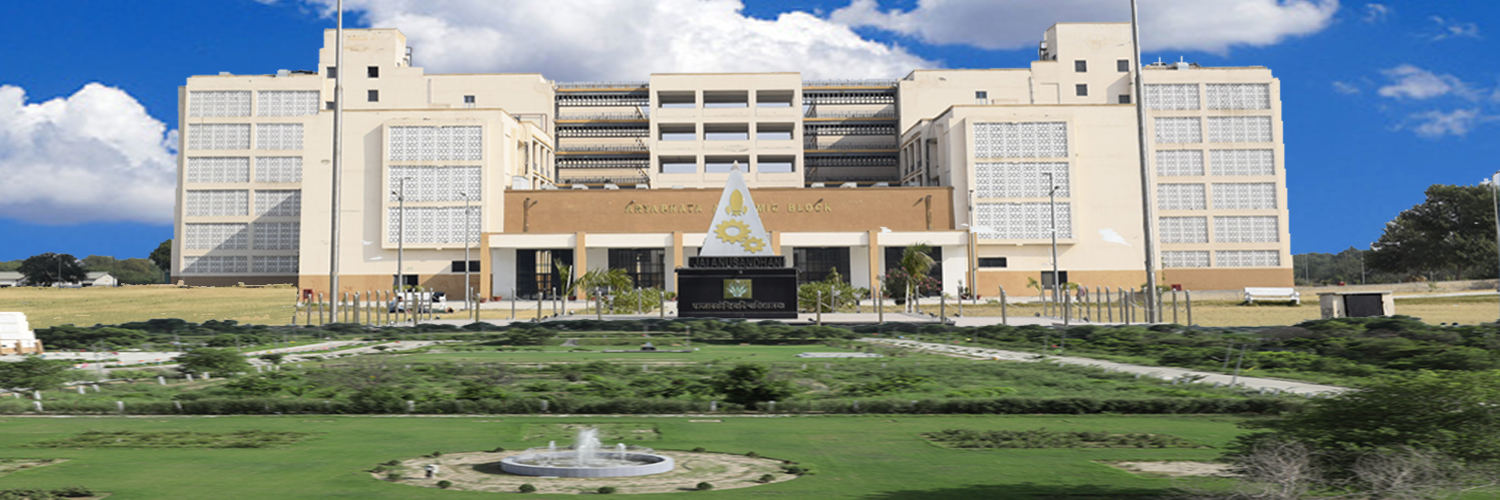
Introduction about Ph.D. in Geography at Central University of Punjab
Embarking on a Ph.D. in Geography at the Central University of Punjab (CUP), Bathinda, is more than an academic pursuit; it is a profound journey into the heart of our planet?s most pressing spatial and environmental challenges. As professionals looking to transition from practitioners to visionary researchers, this program offers a rigorous intellectual environment that fosters innovation, critical thinking, and sustainable solutions. The Central University of Punjab stands as a beacon of academic excellence in Northern India, providing a multidisciplinary platform where geography intersects with technology, social justice, and environmental conservation. Here, you are not merely a student; you are a pioneer dedicated to decyphering the complex relationships between human societies and the physical environment. Whether your passion lies in geomorphology, urban planning, or climate resilience, the Department of Geography provides the nurturing ecosystem required to elevate your professional stature to global standards.
Ph.D Admission 2026-2027 & Writing Support Services by Shiksha Research
Eligibility Criteria for Ph.D. in Geography at Central University of Punjab
To join the elite ranks of researchers at the Central University of Punjab, candidates must meet stringent eligibility criteria designed to ensure academic preparedness. Prospective scholars must possess a Master?s degree in Geography or a closely related discipline (such as Environmental Science, Earth Sciences, or Geoinformatics) from a recognized university. A minimum of 55% marks in aggregate (or an equivalent grade in a point scale) is required for general category candidates, while a relaxation of 5% is granted to SC/ST/OBC (Non-Creamy Layer)/Differently-Abled candidates as per UGC norms. Furthermore, professionals who have already cleared national-level fellowships like UGC-NET JRF are highly encouraged to apply, as they representation the caliber of excellence the university seeks to cultivate.
Entrance Exam for Ph.D. in Geography at Central University of Punjab
The gateway to this prestigious program is primarily through the Central Combined Entrance Test or the university's independent entrance examination. The entrance exam is meticulously structured to test both subject-specific knowledge and research aptitude. It typically consists of two parts: one focusing on Research Methodology and the other on core Geography subjects including Geomorphology, Oceanography, Climatology, and Human Geography. For many busy working professionals, navigating the complexities of these exams can be daunting. Seeking external PhD Admission Assistance can provide the strategic edge needed to clear these competitive assessments and secure a position in the program.
Fee Structure for Ph.D. in Geography at Central University of Punjab
The Central University of Punjab offers a highly affordable and transparent fee structure, ensuring that financial constraints do not hinder the progress of deserving scholars. The following table outlines the estimated costs associated with the doctoral journey:
| Fee Component | Frequency | Approximate Amount (INR) |
|---|---|---|
| Admission Fee | One-Time | ?3,000 - ?5,000 |
| Tuition Fee | Per Semester | ?2,500 - ?4,000 |
| Security Deposit (Refundable) | One-Time | ?5,000 |
| Examination Fee | Per Year | ?1,500 - ?2,500 |
| Library and IT Charges | Annual | ?2,000 |
| Thesis Submission Fee | At the end of tenure | ?10,000 - ?15,000 |
Admission Process for Ph.D. in Geography at Central University of Punjab
The admission process at CUP is merit-based and highly competitive. Following the entrance exam, shortlisted candidates are invited for a personal interview/viva-voce. During this phase, the Department Research Committee evaluates the candidate?s research interest, knowledge depth, and the feasibility of their proposed research. Professionals are expected to present a clear vision of how their research contributes to the existing body of geographical knowledge. A critical aspect of this stage is the submission of a robust research proposal. Utilizing expert PhD Topic Selection and Proposal Assistance can significantly enhance the quality of your submission, ensuring it aligns with the university?s research priorities and faculty expertise.
Ph.D. Subjects and Specializations in Geography at Central University of Punjab
The department offers a diverse array of specializations that allow researchers to tailor their doctoral journey to their career goals. Key areas include:
- Physical Geography: Diving deep into Geomorphology, Biogeography, and Hydrology.
- Human Geography: Exploring Urbanization, Population Dynamics, and Social Geography.
- Economic Geography: Strategic analysis of resource distribution and regional development.
- Environmental Geography: focusing on Sustainability, Climate Change, and Disaster Management.
- Geospatial Technologies: Integrating Advanced GIS, Remote Sensing, and Cartographic techniques.
Research Areas in Geography at Central University of Punjab
Research at Central University of Punjab is characterized by its societal relevance and technical precision. Current focus areas include the impact of climate change on the Himalayan ecosystem, groundwater depletion in the Punjab plains, urban sprawl in rapidly developing Indian cities, and the socio-economic challenges of rural transformation. Given the technical nature of these studies, the university encourages the use of advanced modeling and software. To ensure your findings achieve the highest impact, it is often beneficial to engage in professional Editing and Proofreading Services to polish your research papers and thesis for international standards.
Documents Required for Ph.D. in Geography at Central University of Punjab
A seamless application requires the meticulous preparation of several essential documents. These typically include:
- Original and Self-Attested copies of Graduation and Post-Graduation Marksheets.
- Master?s Degree and Migration Certificate.
- Valid Scorecard of Entrance Exam (CUET or University-led).
- Category Certificate (if applicable).
- No Objection Certificate (NOC) from the current employer for working professionals.
- Preliminary Research Proposal/Outline.
- Passport-sized photographs and valid Identity Proof (Aadhar Card/Passport).
Central University of Punjab Ph.D. Syllabus for Geography
The Ph.D. coursework is designed to bridge the gap between postgraduate learning and independent research. The syllabus generally covers:
- Paper I: Research Methodology: Ethics, Quantitative Techniques, Field Work Methods, and GIS Applications.
- Paper II: Advanced Geography: Contemporary theories in Geographical thought and specialized domain knowledge.
- Paper III: Elective: A subject chosen based on the specific research area of the scholar.
- Seminar & Review of Literature: Developing the ability to critically analyze existing research.
Scholars are often encouraged to aim for high-impact journals. To navigate the complexities of academic publishing, many find that Research Publication Support is invaluable in meeting the stringent requirements of indexed journals like Scopus or Web of Science.
How To Apply for Ph.D. in Geography at Central University of Punjab
Applying to CUP is a streamlined online process. Candidates must visit the official university portal or the NTA website (during CUET cycles) to register. Follow these steps:
- Register online and generate a unique Application ID.
- Fill in academic and personal details with precision.
- Upload scanned copies of required documents and signatures.
- Pay the application fee through the integrated payment gateway.
- Download the confirmation page for future reference.
For those innovating in the realms of GIS software or new mapping methodologies, remember that your unique methodologies might be eligible for protection; exploring Patent Filing and Support Services can safeguard your intellectual property during your doctoral years.
Career Scope and Job Opportunities After Ph.D. in Geography from Central University of Punjab
A Ph.D. from the Central University of Punjab opens doors to a multitude of prestigious career paths. Graduates are well-equipped for roles such as:
- Academician/Professor: Teaching in leading universities and colleges.
- Research Scientist: Working with organizations like ISRO, NRSC, or NIH.
- Urban & Regional Planner: Designing sustainable cities for the future.
- Environmental Consultant: Advising NGOs and government bodies on ecological sustainability.
- Policy Analyst: Influencing government policies regarding land use and resource management.
For exceptionally distinguished veterans in the field who may have skipped the traditional Ph.D. route but have made significant contributions, Honorary Doctorate Programs are an alternative way to receive recognition for a lifetime of professional excellence.
Scholarship for Ph.D. in Geography at Central University of Punjab
CUP is committed to supporting its scholars financially. Those with UGC-NET JRF receive substantial monthly fellowships provided by the government. The university also offers its own non-NET fellowships to meritorious students who do not have national-level funding. Additionally, Various state-specific and minority scholarships are applicable, ensuring that the focus remains entirely on the quality of research rather than financial burden.
FAQs Regarding Ph.D. in Geography at Central University of Punjab
Q1: Can I pursue this Ph.D. while working?
A: Yes, professionals can pursue a Ph.D. but must comply with the university?s residency requirements and coursework attendance. An NOC from the employer is mandatory.
Q2: What is the duration of the program?
A: The program generally takes a minimum of three years and a maximum of six years, including coursework.
Q3: Is the Central University of Punjab UGC recognized?
A: Absolutely. CUP is a central university established by an Act of Parliament and is fully recognized by the University Grants Commission (UGC).
Q4: Do I need a GIS background for this Ph.D.?
A: While not strictly mandatory for all branches, a basic understanding of GIS is highly beneficial as it is integrated into the core curriculum.
Q5: How do I choose my research supervisor?
A: Supervisors are usually allotted based on the alignment of your research interest with the faculty?s specialization after the completion of coursework.




