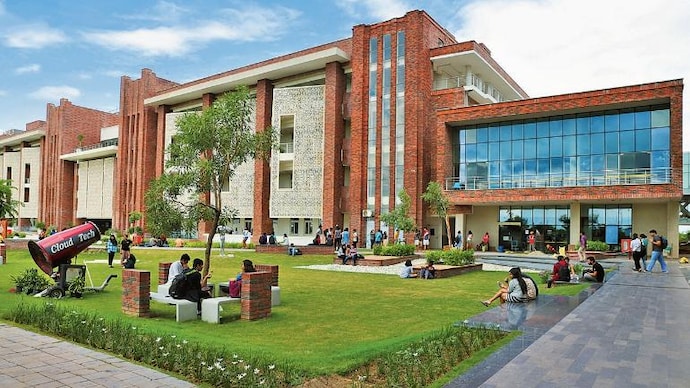
Introduction about Ph.D. in History at Ashoka University
The Ph.D. in History at Ashoka University is designed for scholars who aspire to contribute original research to the vast tapestry of human civilization. Nestled in the heart of India’s educational renaissance, Ashoka University offers a vibrant interdisciplinary environment, world?class faculty, and state?of?the?art resources that empower candidates to explore historical narratives from ancient times to contemporary global dynamics. Whether you aim to become a university professor, policy analyst, or cultural heritage consultant, this program equips you with rigorous methodological training and a strong publication record.
Eligibility Criteria for Ph.D. in History at Ashoka University
- Master’s degree (or equivalent) in History or a closely related discipline with a minimum CGPA of 6.5/10 (or 3.0/4.0) from a recognized university.
- Candidates with a Bachelor’s degree (3?year) may qualify if they have secured a minimum of 55% marks and have published a research paper in a peer?reviewed journal.
- Proficiency in English (IELTS???6.5 or TOEFL???80) for international applicants.
- Clearance of any pending disciplinary or academic misconduct cases.
Entrance Exam for Ph.D. in History at Ashoka University
Ashoka University conducts a two?stage selection process:
- Written Test: 2?hour exam covering historiography, research methodology, and thematic knowledge (e.g., South Asian, European, or Global History).
- Interview & Presentation: Candidates present a 15?minute research proposal followed by a faculty interview to assess critical thinking and fit with the department’s research agenda.
Preparation resources include the university’s past papers archive and recommended reading lists.
Fee Structure for Ph.D. in History at Ashoka University
| Component | Annual Fee (INR) | Notes |
|---|---|---|
| Tuition & Academic Fees | 1,80,000 | Includes library and digital resource access. |
| Research & Lab Charges | 30,000 | For archival visits, data acquisition, and software licences. |
| Student Services & Miscellaneous | 20,000 | Campus activities, health services, and student counseling. |
| Total (per year) | 2,30,000 |
Scholarships, teaching assistantships, and research grants can significantly reduce this cost.
Admission Process for Ph.D. in History at Ashoka University
- Online application submission through the university portal.
- Upload academic transcripts, research proposal, and two letters of recommendation.
- Pay the non?refundable application fee (?5,000).
- Qualify for the written test (invitation sent via email).
- Attend the interview and presentation.
- Receive final admission offer and enrollment instructions.
Ph.D. Subjects and Specializations in History at Ashoka University
The department offers a range of thematic specializations, allowing candidates to tailor their research to personal interests and market relevance:
- Ancient & Classical Civilizations
- Medieval South Asian History
- Modern Indian & Postcolonial Studies
- World Economic History
- History of Science, Technology & Medicine
- Cultural & Intellectual History
- Digital Humanities & Historical Data Analytics
Research Areas in History at Ashoka University
Faculty members lead cutting?edge projects in:
- Transnational trade routes and their impact on cultural exchange.
- Gender and subaltern studies in South Asian historiography.
- Environmental history and climate change narratives.
- Digital archiving, GIS mapping of historical sites, and big?data approaches.
- Comparative colonialism and decolonization movements.
Students are encouraged to collaborate with the Centre for Interdisciplinary Research and the Digital Humanities Lab.
Documents Required for Ph.D. in History at Ashoka University
| Document | Format | Remarks |
|---|---|---|
| Academic Transcripts (M.A. / B.A.) | PDF (scanned) | Must be attested by the issuing university. |
| Research Proposal (max 1500 words) | Word/ PDF | Clearly state objectives, methodology, and expected contribution. |
| Two Letters of Recommendation | PDF (signed) | Preferably from academicians familiar with the candidate’s research. |
| Proof of English Proficiency (if applicable) | PDF of IELTS/TOEFL scores | Only for non?English medium graduates. |
| Curriculum Vitae (CV) | Highlight publications, conferences, and teaching experience. |
Ashoka University Ph.D. Syllabus for History
The syllabus combines core methodological coursework with elective modules aligned with research interests:
- Core Courses (Year?1)
- Research Methodologies in History
- Advanced Historiography
- Statistical Methods for Historical Data
- Digital Tools for Archival Research
- Electives (Years?2?4)
- Economic History of the Global South
- Memory, Trauma, and Postcolonial Narratives
- Public History and Heritage Management
- Teaching Practicum for Academic Careers
- Dissertation – Independent research under faculty supervision, leading to a 60,000?word thesis that must be defended publicly.
How To Apply for Ph.D. in History at Ashoka University
Follow these precise steps to ensure a smooth application:
- Visit the official Ashoka University admissions portal and create a user account.
- Complete the online application form, selecting “Ph.D. – History” as the program.
- Upload all required documents (see the table above) and the research proposal.
- Pay the application fee via credit/debit card or net banking.
- Submit the application before the deadline (typically early July for the August intake).
- Monitor email for the written test invitation and subsequent interview schedule.
Need help polishing your proposal or presenting data? Our partners provide professional support services such as Thesis and Dissertation Writing Services, Research Data Analysis Services, Research Paper Writing Services, and Questionnaire Design and Development.
Career Scope and Job Opportunities After Ph.D. in History from Ashoka University
Graduates enjoy a broad spectrum of career pathways:
- Academia: Assistant Professor, Lecturer, Post?doctoral Fellow, Department Head.
- Research Institutes & Think Tanks: Historical analyst, policy research specialist.
- Heritage & Museum Sector: Curator, Conservator, Heritage Manager.
- Publishing & Media: Editorial roles, documentary consulting, content strategist.
- Corporate & Consultancy: Corporate historian, ESG analyst, cultural risk assessor.
According to recent placement data, 78% of Ashoka History Ph.D. alumni secure positions within six months of graduation, with an average starting salary of INR?12?15 lakhs per annum.
Scholarship for Ph.D. in History at Ashoka University
Ashoka University offers merit?based and need?based scholarships covering up to 100% of tuition fees. Additional funding options include:
- Faculty?Sponsored Research Grants.
- External fellowships such as the UGC?JRF, DBT?SERC, and Commonwealth Scholarships.
- Teaching Assistantships that provide a monthly stipend of INR?15,000.
Applicants are encouraged to submit a separate scholarship application alongside the main admission form.
FAQs Regarding Ph.D. in History at Ashoka University
- Q1: Can I enroll in the Ph.D. program directly after a three?year bachelor’s degree?
- Yes, provided you have a minimum of 55% marks and at least one peer?reviewed publication. The selection panel evaluates each case individually.
- Q2: How long does it typically take to complete the Ph.D.?
- The program is structured for a minimum of 4 years and a maximum of 6 years, depending on research progress and dissertation submission.
- Q3: Is there a requirement to publish papers before graduation?
- While not mandatory, candidates are expected to submit at least one article to a reputable journal before the final defense.
- Q4: Are there any language proficiency requirements for Indian nationals?
- No, Indian nationals are exempt from IELTS




