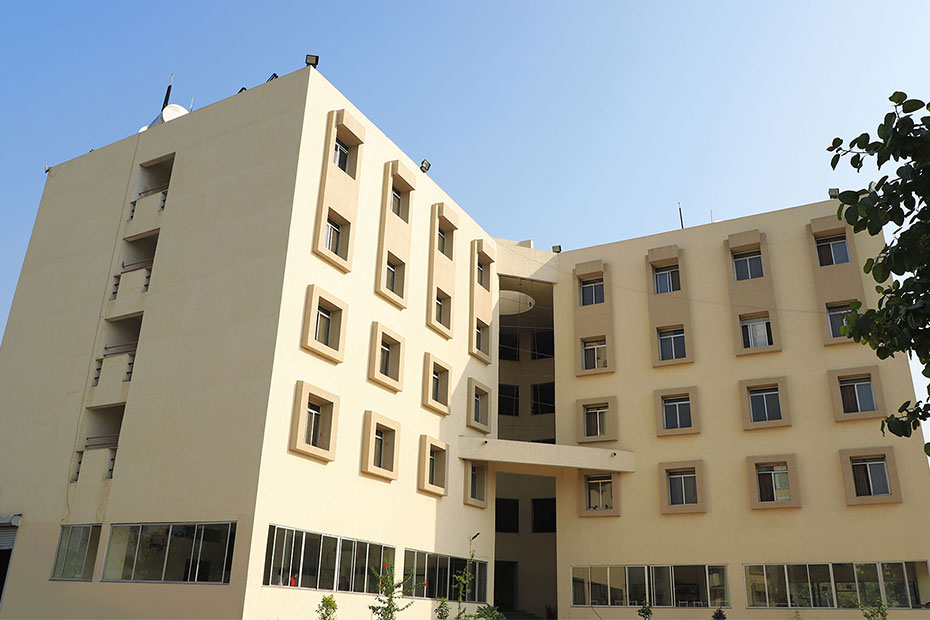
Ph.D. in History from Indus University: Eligibility, Entrance Exam, Fee Structure, Admission Process, Subjects, Research Areas, Syllabus, Scholarship & Career Scope
Introduction about Ph.D. in History at Indus University
Embarking on a journey to pursue a Ph.D. in History at Indus University is more than just an academic endeavor; it is a commitment to uncovering the narratives that have shaped our global civilization. This program is meticulously designed for scholars, educators, and professionals who aspire to contribute original insights to the historical discourse. By fostering a rigorous research environment, Indus University empowers students to critically analyze past events through interdisciplinary lenses, ensuring that the legacy of human experience is preserved and understood with depth and nuance. Whether you are aiming for a career in academia, policy, or public history, this doctoral degree serves as a catalyst for intellectual evolution.
Eligibility Criteria for Ph.D. in History at Indus University
To ensure academic excellence, Indus University maintains high standards for its doctoral candidates. Aspiring students must hold a Master?s degree in History or a closely related field from a recognized university with a minimum aggregate of 55% marks (or an equivalent CGPA). For candidates belonging to SC/ST/OBC (non-creamy layer) and differently-abled categories, a relaxation of 5% is granted as per standard educational policies. Prospective scholars should possess a passion for archival research and a strong foundational knowledge of historiography.
Entrance Exam for Ph.D. in History at Indus University
Admission to the Ph.D. program is contingent upon clearing the university-conducted entrance exam. The test assesses a candidate's research methodology aptitude, logical reasoning, and core historical knowledge. Candidates who have qualified for national-level examinations such as UGC-NET (including JRF), SET, or M.Phil. degrees may be exempted from the written entrance exam, though they must still appear for the personal interview round. Success in this stage is a testament to your preparedness for advanced academic inquiry.
Fee Structure for Ph.D. in History at Indus University
| Particulars | Estimated Fees (Annual) |
|---|---|
| Application Fee | INR 2,000 |
| Tuition Fee | INR 50,000 - 75,000 |
| Library & Lab Charges | INR 10,000 |
| Miscellaneous/Exam Fees | INR 5,000 |
Admission Process for Ph.D. in History at Indus University
The admission process at Indus University is transparent and merit-based. It begins with the submission of an online application. Following this, eligible candidates undergo a written entrance test conducted by the university. Those who qualify advance to the personal interview stage, where they must present a robust research proposal. The final selection is based on the combined performance in the entrance examination, interview, and the strength of the research proposal submitted.
Ph.D. Subjects and Specializations in History at Indus University
The curriculum offers a diverse array of specializations, allowing students to tailor their research to their specific interests. Key areas include Ancient Indian History, Medieval History, Modern Indian History, World History, History of Science and Technology, and Social/Cultural History. Students are encouraged to explore interdisciplinary subjects that bridge history with sociology, political science, and philosophy.
Research Areas in History at Indus University
Research at Indus University is driven by innovation and societal relevance. Scholars often focus on areas such as archival studies, gender history, environmental history, regional studies, and the socio-economic impact of historical policy changes. With access to advanced academic resources, students often require professional support to refine their scholarly work, such as using Thesis and Dissertation Writing Services to ensure their findings are structured according to international standards.
Documents Required for Ph.D. in History at Indus University
Candidates must ensure they have all necessary documentation ready during the verification process: 10th and 12th mark sheets, Master?s degree certificate, migration certificate, identity proof, recent passport-sized photographs, and the research proposal. If required, professional assistance for data collation is available through Research Data Analysis Services to maintain the integrity of your empirical evidence.
Indus University Ph.D. Syllabus for History
The syllabus is divided into two phases. Phase I consists of coursework comprising Research Methodology, Contemporary Historical Trends, and Computer Applications in Historical Research. Phase II focuses entirely on the candidate?s specific research topic, literature review, and field work. For those needing help crafting academic articles during their study, Research Paper Writing Services are highly beneficial for meeting publication requirements.
How To Apply for Ph.D. in History at Indus University
Applying is a straightforward, digital process. Visit the official website, create an applicant account, fill out the application form with personal and academic details, upload scanned documents, and pay the application fee. Before finalizing your proposal, you may also benefit from Questionnaire Design and Development if your history research involves ethnographic or survey-based data collection.
Career Scope and Job Opportunities After Ph.D. in History from Indus University
Graduates from this program find themselves well-positioned for distinguished careers. Opportunities include roles as University Professors, Historians, Archivists, Museum Curators, Policy Analysts, and Consultants for governmental and non-governmental organizations. The analytical skills gained during a Ph.D. are highly valued in the corporate sector, media, and publishing houses, opening doors to a wide spectrum of professional possibilities.
Scholarship for Ph.D. in History at Indus University
Indus University supports meritorious and financially constrained students through various scholarship programs. These include university-funded stipends, departmental research fellowships, and support for attending national conferences. Candidates are encouraged to check the university portal for ongoing scholarship updates and specific eligibility requirements for minority or merit-based grants.
FAQs Regarding Ph.D. in History at Indus University
Q: Is the Ph.D. program full-time or part-time?
A: Indus University offers both, though candidates must adhere to the specific residency requirements for each.
Q: Can I change my research topic after enrollment?
A: Minor modifications are generally allowed subject to the approval of the Research Advisory Committee.
Q: Are there placements for Ph.D. students?
A: While academic positions are usually gained through direct applications, the university?s reputation provides a strong foundation for career networking and placement support.




