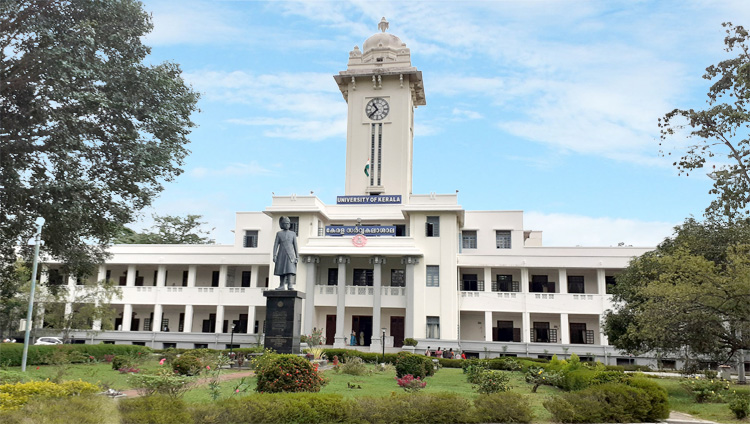
Introduction about Ph.D. in History at Kerala University
The Doctor of Philosophy in History offered by Kerala University stands as a beacon for scholars who aspire to deepen their understanding of regional, national, and global narratives. Designed for professionals with a passion for rigorous research, the program blends archival exploration, methodological innovation, and interdisciplinary dialogue. Whether you aim to become a university professor, policy analyst, or heritage consultant, this Ph.D. provides the scholarly foundation and academic credibility to excel in diverse career pathways.
Eligibility Criteria for Ph.D. in History at Kerala University
- Master’s degree in History or a closely related discipline with a minimum of 55% aggregate (or equivalent CGPA).
- For candidates holding a dual degree (e.g., History & Archaeology), the combined score should meet the 55% threshold.
- Valid score in the university‑conducted entrance test or in nationally recognized exams such as UGC NET, CSIR NET, or GATE (subject: Humanities).
- Candidates with a 3‑year post‑graduate research experience or published papers may receive direct admission consideration.
- English language proficiency (IELTS 6.0 / TOEFL 80) for international applicants.
Entrance Exam for Ph.D. in History at Kerala University
The entrance examination evaluates the candidate’s analytical ability, historiographical knowledge, and research aptitude. The test comprises:
- Paper‑I (Written): 100 marks – Topics include historiography, research methodology, and thematic history (Indian, World, and Regional).
- Paper‑II (Interview & Presentation): 50 marks – Candidates present a research proposal, followed by a viva‑voce with faculty experts.
Preparation resources, mock tests, and past question papers are often available through the university’s official portal. Aspirants are encouraged to consult the PhD Admission Assistance service for personalized coaching.
Fee Structure for Ph.D. in History at Kerala University
| Component | Annual Fee (INR) | Notes |
|---|---|---|
| Tuition & Examination Fee | 12,500 | Applicable each academic year |
| Library & Laboratory Access | 2,000 | Includes digital archive subscriptions |
| Research Project Grant (optional) | 5,000 – 15,000 | Based on project scope; eligibility reviewed annually |
| Administrative & Miscellaneous | 1,500 | Covering registration, ID card, etc. |
| Total (Approx.) | 21,000 – 31,000 | Excluding scholarships or external funding |
Admission Process for Ph.D. in History at Kerala University
- Online Application: Fill the web form on the university’s admission portal and upload scanned copies of academic transcripts.
- Document Verification: Appear at the designated campus office for original document verification within 7 days of submission.
- Entrance Examination: Sit for the written test followed by the interview/presentation round.
- Provisional Admission Letter: Issued to candidates who clear the entrance exam, subject to final approval by the Board of Studies.
- Enrollment & Fee Payment: Complete the enrollment formalities and remit the first-year fee.
- Registration for Courses: Register for mandatory research methodology courses and start the dissertation under a faculty supervisor.
Ph.D. Subjects and Specializations in History at Kerala University
Kerala University offers a range of sub‑fields allowing scholars to tailor their research:
- Ancient Indian History
- Medieval South Indian Polities
- Modern Kerala & Social Movements
- World History & Comparative Civilizations
- Historiography & Methodology
- Cultural Heritage & Archaeology
- Economic History & Trade Networks
Research Areas in History at Kerala University
Potential research themes align with regional strengths and global relevance:
- Colonial Impact on Kerala’s Maritime Trade
- Gender and Social Reform in 19th‑Century South India
- Digital Humanities: Mapping Historical Texts
- Environmental History of the Western Ghats
- Transnational Diaspora Studies
- Public History and Museum Curation
Documents Required for Ph.D. in History at Kerala University
| Document | Format | Remarks |
|---|---|---|
| Academic Transcripts (M.A. History) | PDF (Scanned) | Must be attested by the issuing university |
| Research Proposal (2,000‑3,000 words) | DOCX or PDF | Include objectives, methodology, and bibliography |
| Entrance Exam Score Card | UGC NET / CSIR NET / GATE or university test | |
| Curriculum Vitae | Highlight publications, conferences, and teaching experience | |
| Proof of Identity (Aadhar / Passport) | Valid government‑issued ID | |
| Letter of Recommendation (2) | From academicians or industry professionals |
Kerala University Ph.D. Syllabus for History
The syllabus is structured around core competencies and research milestones:
- Semester 1: Research Methodology, Historiography, and Academic Writing.
- Semester 2: Specialized electives (choose two) – e.g., “Maritime History of the Indian Ocean” or “Digital Archives”.
- Semester 3‑5: Proposal submission, ethics clearance, and fieldwork.
- Semester 6‑8: Dissertation writing, peer‑review workshops, and final defense.
Students are encouraged to leverage Editing and Proofreading Services for manuscript refinement before submission.
How To Apply for Ph.D. in History at Kerala University
Follow these step‑by‑step instructions to ensure a smooth application:
- Visit the official admission portal and create a user account.
- Complete the online form, selecting “Ph.D. – History” as the program.
- Upload all required documents (see table above).
- Pay the non‑refundable application fee (INR 1,500) through net banking or UPI.
- Schedule the entrance examination date from the portal calendar.
- After clearing the exam, submit the final research proposal and sign the provisional admission letter.
Need help fine‑tuning your proposal? The PhD Topic Selection and Proposal Assistance team can guide you from concept to submission.
Career Scope and Job Opportunities After Ph.D. in History from Kerala University
Graduates enjoy a versatile career landscape:
- Academia: Lecturer, Assistant Professor, or Research Fellow in universities and colleges.
- Research Institutes: Positions at Indian Council of Historical Research (ICHR), CSIR, and think‑tanks.
- Heritage & Museum Sector: Curator, Heritage Manager, or Documentation Specialist.
- Publishing & Media: Historical consultant for documentaries, books, and digital platforms.
- Government & NGOs: Policy analyst focusing on cultural preservation, education, or tourism.
- Corporate: Corporate historian, archival manager, or content strategist for heritage brands.
For those interested in bridging academia and industry, consider the Research Publication Support service to enhance visibility of your work.
Scholarship for Ph.D. in History at Kerala University
Kerala University offers multiple financial aids:
- Kerala State Scholarship for Doctoral Candidates: ₹12,000 per month for eligible students.
- UGC‑CSIR Joint Doctoral Fellowship (JDF): ₹31,000 per month plus contingency allowance.
- University Research Grants: Up to ₹2,00,000 for fieldwork and archival visits.
- External Fellowships: Fulbright, Chevening, and Commonwealth scholarships are open to eligible candidates.
Applicants may also explore the Honorary Doctorate Programs for distinguished professionals seeking recognition without a conventional research trajectory.
FAQs Regarding Ph.D. in History at Kerala University
- 1. Can I enroll in the Ph.D. program with an M.Phil. in a related discipline?
- Yes. An M.Phil. in Archaeology, Anthropology, or Cultural Studies is acceptable provided you meet the 55% aggregate requirement.
- 2. Is there a provision for part‑time enrollment?
- Kerala University permits part‑time registration for working professionals, with a maximum duration of 8 years to complete the doctorate.
- 3. How long does the admission process take?
- From application submission to provisional admission, the process typically spans 6‑8 weeks




