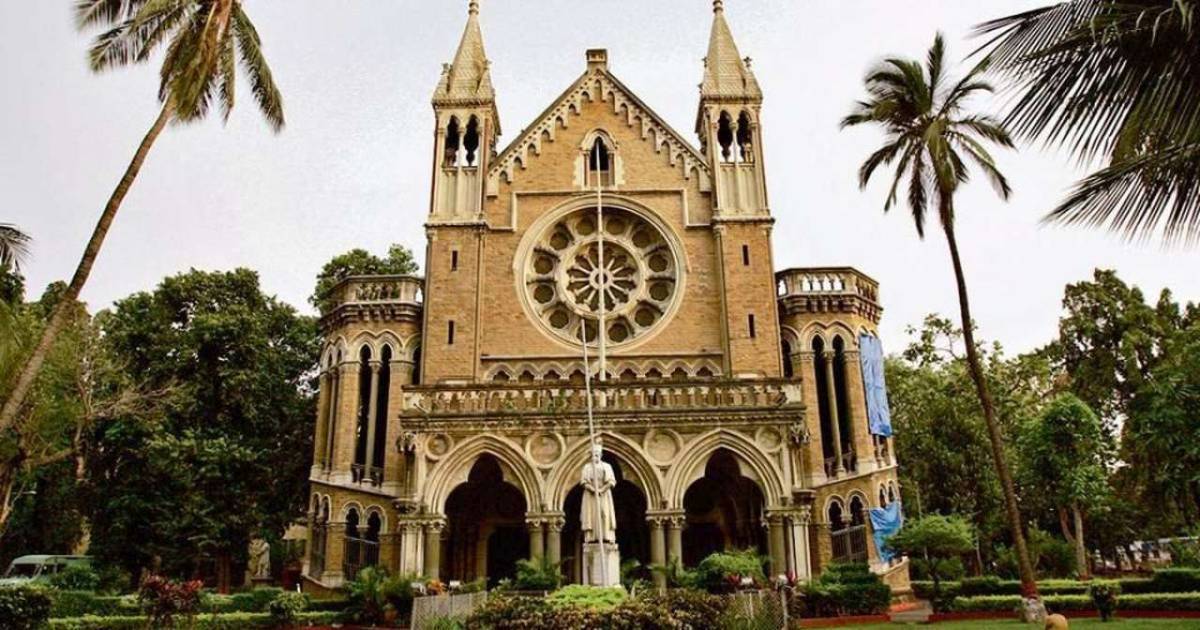
Introduction about Ph.D. in History at Mumbai University
Embarking on a Ph.D. in History at Mumbai University opens doors to a world of scholarly exploration, critical analysis, and academic leadership. This prestigious program blends rigorous research methodology with diverse historiographical perspectives, empowering professionals to contribute original insights to the tapestry of Indian and global history.
Eligibility Criteria for Ph.D. in History at Mumbai University
- Master’s degree in History or a related discipline with a minimum of 55% marks (or 5.5 CGPA).
- National Eligibility Test (NET) or University Grants Commission (UGC) CSIR qualification is preferred but not mandatory.
- Candidates must have a valid GATE score if applying for interdisciplinary research.
- Age limit: No upper age restriction; only merit and research potential are considered.
Entrance Exam for Ph.D. in History at Mumbai University
The university conducts its own entrance test comprising:
- Written examination (objective and descriptive questions) covering historiography, research methodology, and subject-specific topics.
- Personal interview to assess research aptitude and topic suitability.
- Screening of academic record and published papers, if any.
Fee Structure for Ph.D. in History at Mumbai University
| Component | Amount (INR) |
|---|---|
| Application Fee (online) | 2,500 |
| Entrance Exam Fee | 3,000 |
| Annual Tuition & Lab Fees | 20,000 |
| Library & Resource Charges | 5,000 |
| Miscellaneous (e‑resources, workshops) | 2,000 |
| Total Approximate Cost (3‑year program) | 90,000 |
Admission Process for Ph.D. in History at Mumbai University
The streamlined admission workflow includes:
- Online Application: Submit the application through the university portal.
- Document Upload: Upload academic transcripts, research proposal, and certificates.
- Entrance Examination: Appear for the written test and interview.
- Merit List Publication: Based on scores, interview performance, and research proposal.
- Final Admission: Pay the registration fee and enroll in the prescribed courses.
Ph.D. Subjects and Specializations in History at Mumbai University
Students may specialize in any of the following sub‑fields:
- Ancient Indian History
- Medieval and Early Modern History
- Modern Indian History
- World History and Globalization
- Economic and Social History
- History of Science & Technology
- Gender and Cultural Studies
Research Areas in History at Mumbai University
Prominent research clusters include:
- Colonial and Post‑colonial Studies
- Urban History of Mumbai and the Western Coast
- Maritime Trade Routes and Diaspora
- Heritage Conservation and Archaeology
- Public History and Museum Studies
- Environmental History and Climate Change Impacts
Documents Required for Ph.D. in History at Mumbai University
| Document | Details |
|---|---|
| Academic Transcripts | Marksheets of Post‑graduate program |
| Research Proposal | 1500‑2000 words, objectives, methodology |
| Letter of Recommendation | Two academic referees |
| Proof of Identity | Aadhaar / Passport |
| Entrance Exam Scorecard | If applicable (NET/UGC CSIR) |
Mumbai University Ph.D. Syllabus for History
The doctoral curriculum is divided into two phases:
- Coursework (Year 1‑2): Advanced historiography, research methods, elective seminars, and a comprehensive literature review.
- Dissertation (Year 2‑3): Original research, fieldwork (if required), data analysis, and submission of the thesis for external evaluation.
How To Apply for Ph.D. in History at Mumbai University
Follow these steps for a successful application:
- Visit the official Mumbai University portal and register a new user account.
- Complete the online application form with personal, academic, and research details.
- Upload scanned copies of all required documents (PDF, max 2 MB each).
- Pay the non‑refundable application fee via net banking or credit card.
- Submit the application and note the generated reference number for future queries.
Career Scope and Job Opportunities After Ph.D. in History from Mumbai University
Graduates are equipped for a range of professional avenues:
- University faculty positions (Assistant/Associate Professor)
- Research fellowships at think‑tanks, NGOs, and cultural institutions
- Curatorial and archival roles in museums and heritage bodies
- Policy analysis and consultancy for governmental agencies
- Content development and editorial leadership in publishing houses
- Independent scholarly publishing and public history projects
Scholarship for Ph.D. in History at Mumbai University
Financial assistance is available through:
- University Merit‑Based Scholarships (up to 50 % tuition waiver)
- UGC Junior Research Fellowships (JRF) – Rs. 31,000 per month
- State Government Grants for Historical Research
- External fellowships – Fulbright, Commonwealth, and DAAD programs.
FAQs Regarding Ph.D. in History at Mumbai University
- What is the minimum duration to complete the Ph.D.?
- Typically 3 years, extendable up to 5 years based on research progress.
- Can I pursue the Ph.D. part‑time while working?
- Yes, Mumbai University offers a part‑time mode for working professionals, subject to supervisor approval.
- Is publication mandatory before thesis submission?
- At least one peer‑reviewed journal article or conference paper is highly recommended but not compulsory.
- Are there language requirements for primary sources?
- Proficiency in relevant languages (e.g., Sanskrit, Persian, regional dialects) is advantageous for source analysis.
- How soon can I start my research after admission?
- Students can commence literature review and fieldwork immediately after enrollment, following course completion.




